Planning for Ethiopia tours? Ethiopia, never colonized, offers unique culture, rich history, wildlife, and landscapes. Highlights include the Simien and Bale Mountains, Omo Valley tribes, Lalibela churches, Blue Nile Falls, and Rift Valley. Visitors enjoy endemic wildlife, music, cuisine, and coffee. Best visited October-March, Ethiopia suits cultural, luxury, and adventure travelers, with year-round attractions. See our most popular Ethiopia tour packages below.
Best Ethiopia Tours – Culture, Wildlife & Historic Adventures
 Request Price
1-Day Addis Ababa City Tour – Museums, Markets & Historic Landmarks
View Tour- Request Price
3-Day Addis Ababa & Surroundings Tour – Explore Ethiopia’s Capital, Debre Libanos Monastery & Menagesha Suba Forest
View Tour - Request Price
3-Day Awash National Park Safari – Wildlife, Bird-watching & Hot Springs Adventure
View Tour - Request Price
3-Day Harar Cultural Tour – Explore Historic Walled City, Arthur Rimbaud’s House & Hyena Feeding Tradition
View Tour - Request Price
4-Day Simien Mountains Wildlife Safari – Explore Ethiopia’s UNESCO World Heritage Site
View Tour - Request Price
4-Day Danakil Depression Expedition – Erta Ale Volcano, Dallol Geothermal Pools & Afar Salt Mines
View Tour - Request Price
4-Day Bale Mountains Wildlife Safari – Encounter Ethiopian Wolves, Menelik’s Bushbuck & Afro-Alpine Landscapes
View Tour - Request Price
4-Day Addis Ababa & Lalibela Tour – Explore Ethiopia’s Historic Sites & Rock-Hewn Churches
View Tour - Request Price
5-Day Northern Ethiopia Tour – Explore Bahir Dar, Gondar, Simien Mountains & Lalibela
View Tour - Request Price
5-Day Simien Mountains Trekking Tour – Experience Ethiopia’s Landscapes & Unique Wildlife
View Tour - Request Price
6-Day Bale Mountains Trekking Expedition – Discover Ethiopia’s Unique Wildlife & Scenic Landscapes
View Tour - Request Price
10-Day Bale Mountains Trekking & Omo Valley Cultural Tour – Explore Ethiopia’s Diverse Landscapes & Indigenous Tribes
View Tour - Request Price
10-Day Bale Mountains Trekking Adventure – Explore Ethiopia’s Diverse Landscapes & Endemic Wildlife
View Tour - Request Price
10-Day Northern Ethiopia Tour – Explore Axum, Lalibela, Simien Mountains & Lake Tana Monasteries
View Tour - Request Price
11-Day Omo Valley Cultural Tour – Experience Ethiopia’s Tribes & Traditions
View Tour - Request Price
12-Day Surma & Omo Valley Cultural Expedition – Experience Ethiopia’s Tribes & Traditions
View Tour - Request Price
12-Day Ethiopia Birding Tour – Explore Awash National Park, Bale Mountains & Lake Langano
View Tour - Request Price
13-Day Ethiopia Cultural & Wildlife Expedition – Omo Valley Tribes, Harar’s Ancient Walled City & Bale Mountains National Park
View Tour - Request Price
14-Day Ethiopia Mammal Watching Tour – Explore Simien Mountains, Awash National Park & Bale Mountains
View Tour - Request Price
18-Day Ultimate Ethiopia Adventure – Historic Sites, Cultural Experiences & Natural Wonders
View Tour
Ultimate Guide for Booking Ethiopia Tours & Travel Packages
The county is the only county that wasn’t colonized and therefore most their history has not had any external influence. There has been archeological finding here like the remains of the hominid Lucy that was discovered in the 1974.
This country may have the greatest wildlife safari experience but the cultural experience will make up for this.
Is Ethiopia the right destination for you?
For luxury travelers, Ethiopia is the country for you. Due to the terrain of the country, there is less travel by road. There are domestic flights to most of the major towns in Ethiopia. Some of the notable flight from Addis Ababa will go to towns like Bahir Dar, Gondar, Axum, Lalibela, Mekele and Arba Minch.
From any of these, you can drive by road and the average drive time from the attractions is about 2 hours. Ethiopia is also blessed country with a lot of wildlife complemented with beautiful landscapes, rich history and people, very many outdoor experiences, rich culture, food, architecture. The experience here will be nothing like you will see anywhere else in the world.
There are not very places where you will find cats and other animals roaming around in the grasslands but definitely you will find a better experience and still with wildlife.
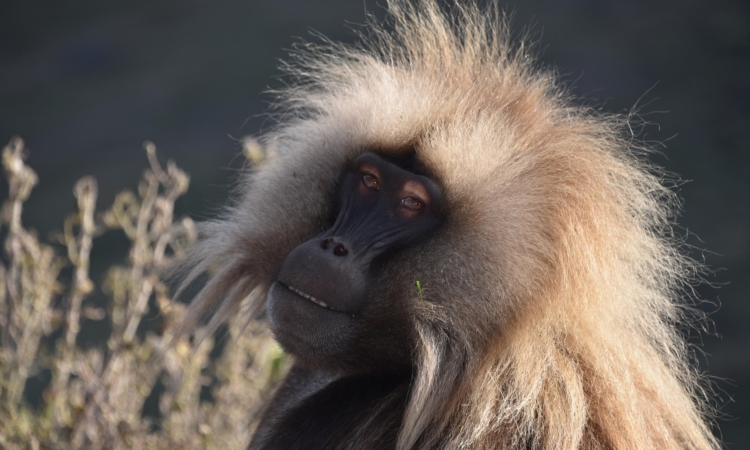
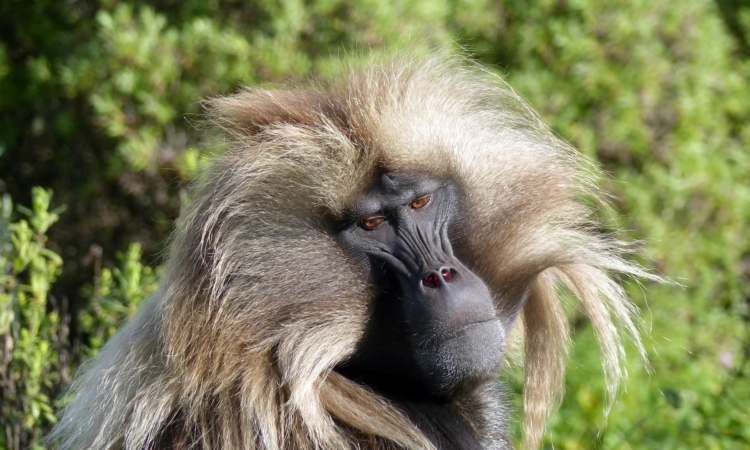
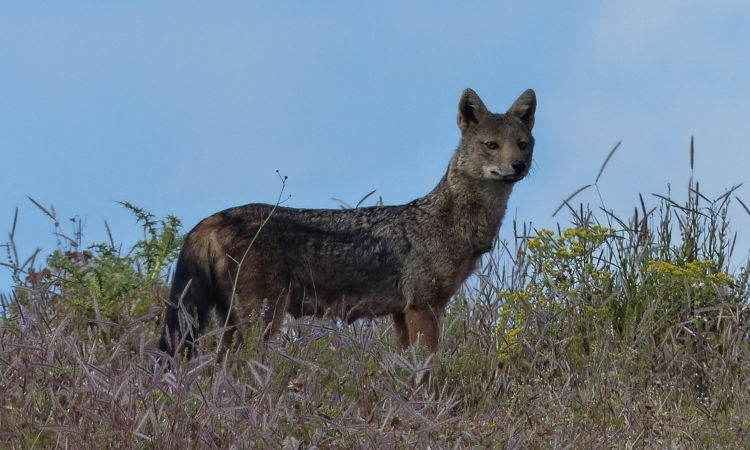
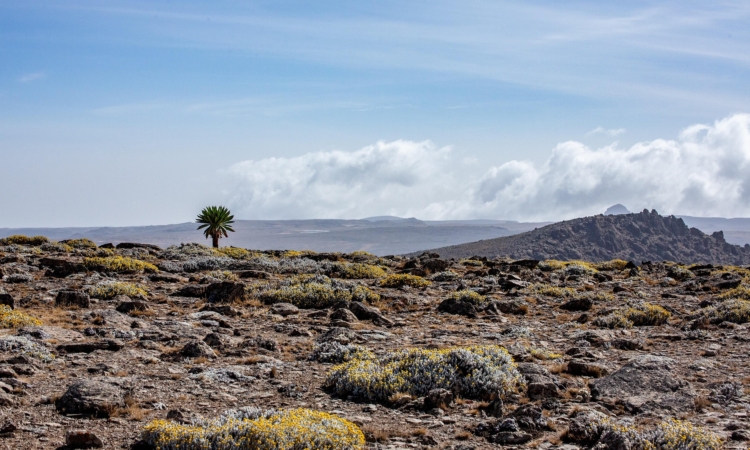
You will for example find the endemic and rare Ethiopian wolf playing in the Bale Mountains and Sanetti Plains, and then the Gelada Monkeys playing in the Simien Mountains, there are large crocodiles and hippos on the shore of the Lake Tana and then very hungry hyenas on the walls of the Harar city walls.
Climate in Ethiopia
Different geographic regions have different climate types. The central region of the country has very moderate climatic conditions with average seasonal temperature variations. The minimum temperature during the wet season is 5.5°C while the highest is 26°C.
The low areas of the region have really lower temperatures than the average. The desserts in Ethiopia have very extreme head with temperatures as high as 60°C.
The country receives a lot of rains in the months of June to September. The central region receives a second spell of rain which is abit mild in the months of December and February.
The central region receives an annual average precipitation of about 48 inches. The Ogaden area receives an area of about 4 inches while the Western region receives about 80 inches every year.
Ethiopia Luxury & Private Tours
Ethiopia as a country is good for travelers that are looking to appreciate the cultures of the people here, there history and norms. If you are conflicted on whether to choose this as you safari destination to Africa, then you should look no further.
This country will offer you a great experience with a touch of luxury. If you have been to other safaris in countries like South Africa, Namibia and Botswana, then the Kind of Luxury in Ethiopian will not match the one in those countries but you will still have a great experience.
There are not many luxury accommodation option but even the available options will offer you the best experience.
Best time to visit Ethiopia
Ethiopia has very many altitudes due to the different landscapes and terrain. There is usually not best time to visit as you can visit Ethiopian anytime of the year. Usually the typical time to travel is in the dry months that run from the months of October to March.
The rainy season runs from the month of June to September. The rains are not usually much and therefore you can still travel in these months as well. Areas in the central region will received more rains the Months of December to February.
In some remote places it is not advisable to move in the rainy season since the roads can be impassable. An area like the Omo valley are part of the areas with the two rainy seasons and also is a remote place as well so avoid it in the rainy season. Always speak to your local guide to confirm the weather conditions.
Ethiopian Attractions: Top Things To See in Ethiopia
Harar
The city is a small one covering a distance of about one Kilometer. It is a Muslim holy city ranked 4th in the county. It is located in the eastern region of the country.
The city is walled all around it and it has over 80 mosques some of which are believed to be as old as 1000 years old. The architectural styles of the town are something that will marvel you.
You will have a chance to feed the hyenas a practice that dates many years ago. It was way to control the hyenas from hunting down humans or eating their animals.
Rift Valley
Many people that have read about this national occurrence will want to come and see it themselves.
The rift valley creates a big scar line in the middle of the country and it houses a lot of lakes and forests within. The climatic conditions here will break you away from the harsh conditions of the other regions of the country.
Endemic wildlife
There are not very places where you will find cats and other animals roaming around in the grasslands but definitely you will find a better experience and still with wildlife.
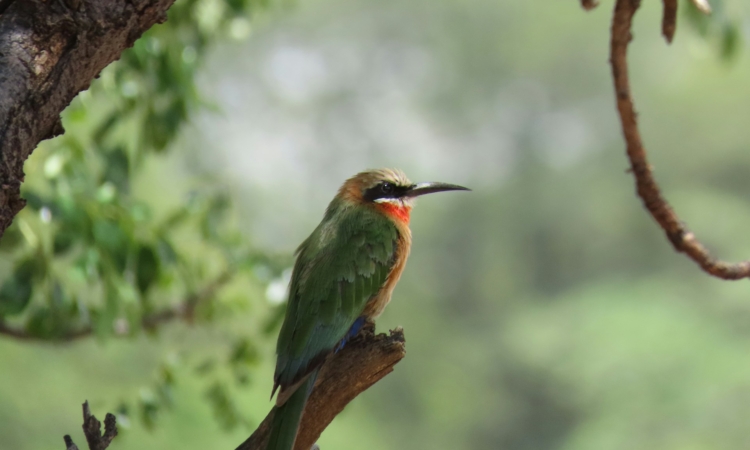
You will for example find the endemic and rare Ethiopian wolf playing in the Bale Mountains and Sanetti Plains, and then the Gelada Monkeys playing in the Simien Mountains, there are large crocodiles and hippos on the shore of the Lake Tana and then very hungry hyenas on the walls of the Harar city walls.
Ethiopian music
The Ethiopian music is something you out to look out for. It has a mixture of sounds from Africa and the middle East. The Ethiopian folk songs are a mixture of Jazz as they use an instrument called Krar.
Lalibela
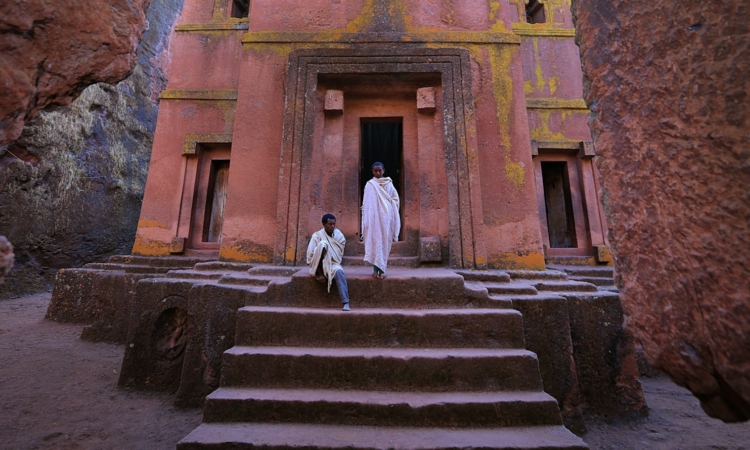
This area is also known as the New Jerusalem and it is famous for the many churches here like the rock hewn churches, then the Northern and southern cluster churches.
The city is located within a rock. There is a giant monolith in memory of St. George who is a patron saint for Ethiopia. This is among the most visited areas in Ethiopia. The architectural style of the whole area will give stunning memories.
Simien Mountains
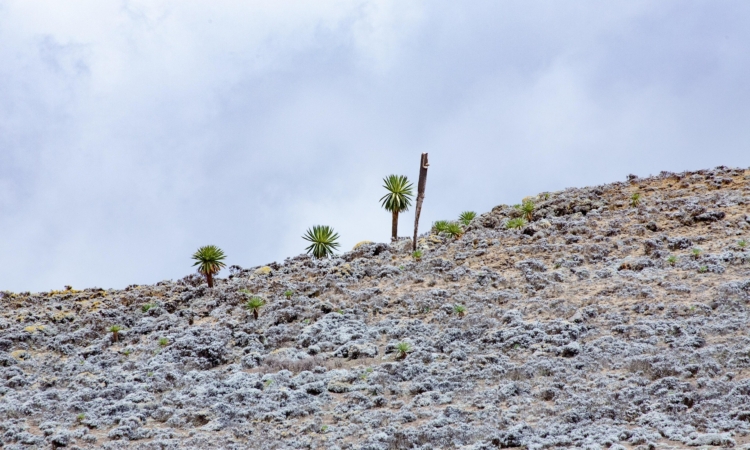
These mountains are preserved as a UNSECO world heritage site due to their unique formation and they are also known as God’s play ground by the locals for this reason.
They are also home the Simien National park that you will also visit while here. You will special animals like: Walia ibex and the Simien fox.
Ethiopian culture
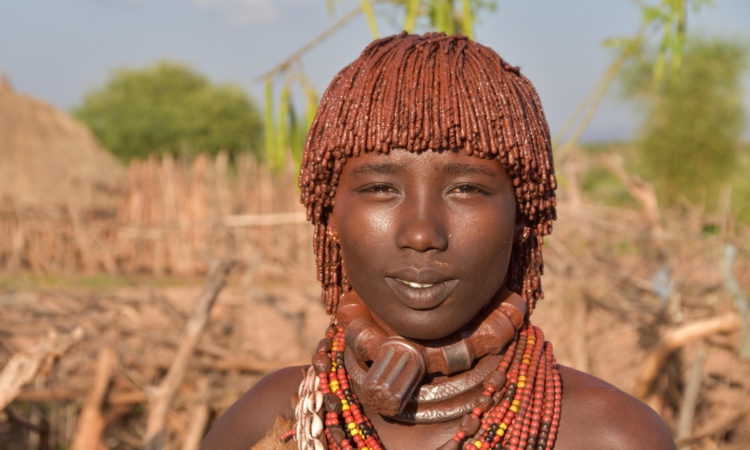
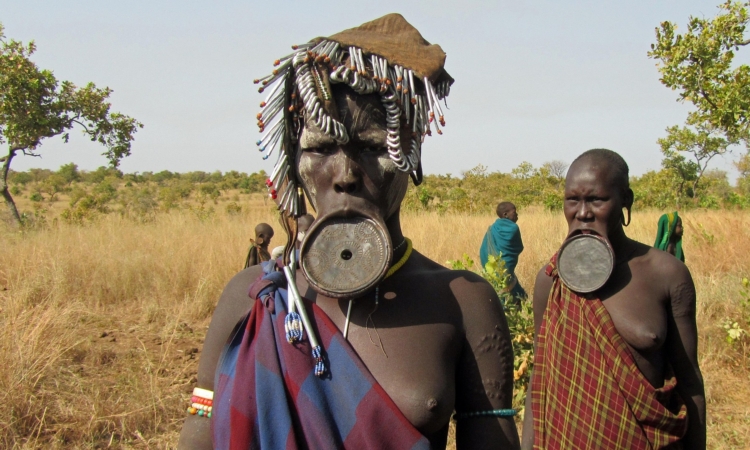
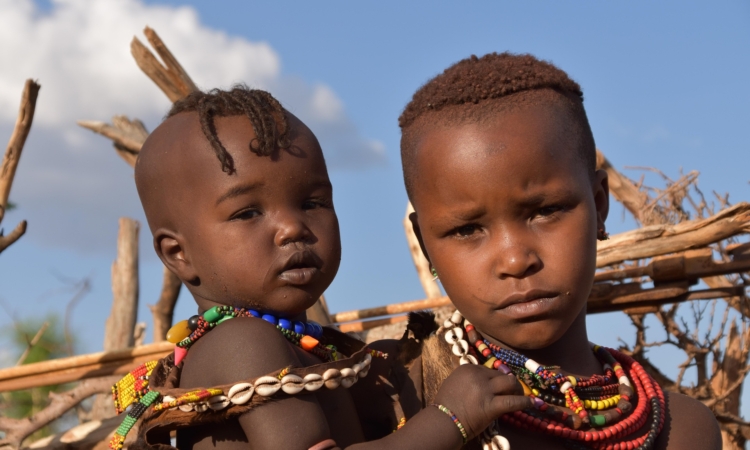
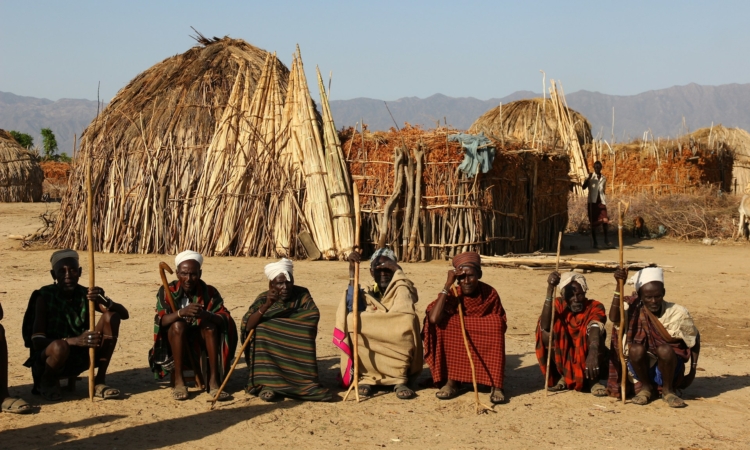
The Omo valley holds some of the most prestigious culture in the continent. The valley is home to about 80 cultural communities that are still into all their cultural norms since they have had very little influence from the west or any other foreigners. You will witness a lot of dances and festivals.
Addis Ababa
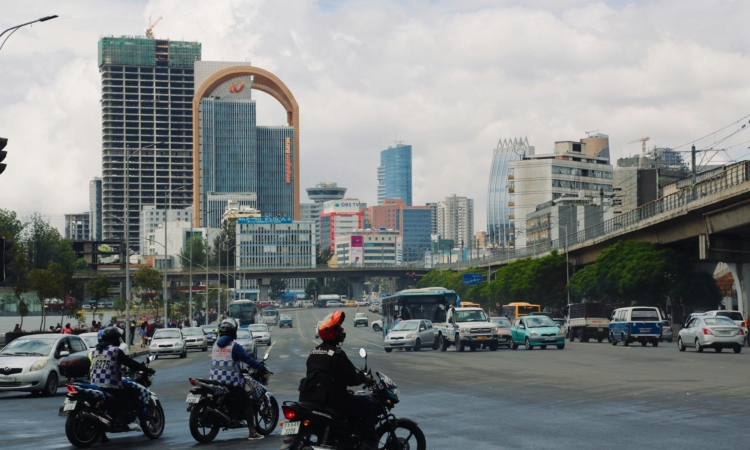
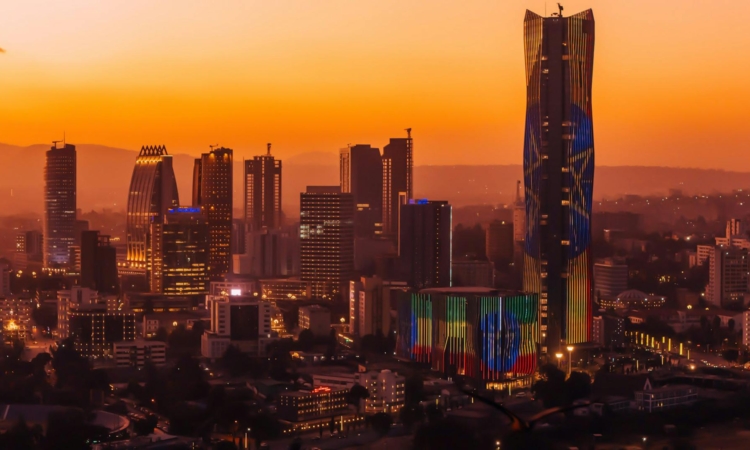
Ethiopian capital Addis Ababa is known as the Diplomatic city of Africa as it houses most of the great missions of Africa like the African Union and many more.
The city has many ancient building with history dating back many years ago. The country was not colonized and so expect to see almost every thing in its original form.
Blue Nile Falls
This part of the Nile is known by the locals as Tis- Isat Falls which translated “Smoke of Fire”. The Blue Nile is as impressive as the White Nile. This park of the Nile has falls that can rivals the Niagara Falls.
The falls are about 45 meters high during the rainy season. The scenes from these falls will marvel you. There is a stone bridge build in the 17 the century here and the architectural plan will stun you.
The Omo Valley
This valley holds some of the most prestigious culture in the continent. The valley is home to about 80 cultural communities that are still into all their cultural norms since they have had very little influence from the west or any other foreigners. You will witness a lot of dances and festivals.
Costs of traveling to Ethiopia
Like most other destinations, here are the factors that will determine the cost of your Ethiopian Safari.
- The number of days on your trip
- Whether you are traveling alone or as group
- The type of accommodation.
- The kind of guides you use.
Safety in Ethiopia
Ethiopia is a very secure country and has been peaceful for over 15 years with no civil unrest or major wars or terrorists attacks.
You will have no issues but like any other destination, there are some petty crimes and you should mind your property all the time.
What to pack for a trip to Omo Valley
When visit any destination in Ethiopia you will need to pack appropriate clothes to suite the weather, terrain and culture. Here is a list of some of the thing you would consider packing.
- Binoculars
- Camera to capture moments: extra batteries and memory cards
- Reusable water bottle
- Carry come hiking shoes that are comfortable and light. Lightweight, breathable clothing for warm weather
- The day is always hot but the nights are cold at times, carry some warm clothes for the night.
- First-aid kit
- Sunglasses, Sunscreen, and a hat to protect you from the sun.
- An Insect repellent
Eating and drinking in Ethiopia
The major meal or food in Ethiopia is Injera. The way it is eaten, it serves a plate, food and cutlery. You will tear off bits of the spongy cake and hold in the hands while you eat. They specifically eat using the right hand.
Ethiopian Coffee
It believed that the drinking of coffee originate from Ethiopia. They brew delicious coffee but yet very strong and after you take it, you will feel its effects for the next moments. The coffee will usually be served with popcorn.
The community here has two days to fast in the week. They only eat vegan meals in the two days. You will be able to eat meal the rest of the week including raw minced meat and raw beef chunks.
Ethiopian People & Language
Ethiopia is a very large county and it has many Ethiopia. Amharic is the major and official language of Ethiopia. The language has 33 alphabet characters with each of them having 7 variations. This brings the total to about 250 characters. Oromo is another major language spoken here. There are over 80 ethnic communities here with each of them speaking a different language.
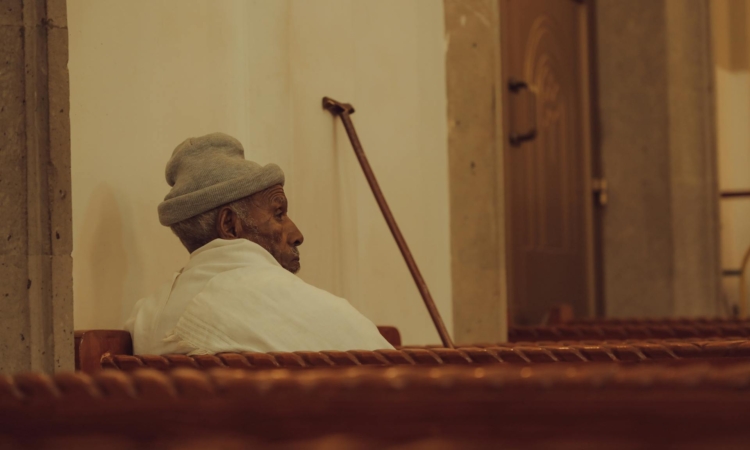
The major religions are Orthodox, Christianity and Islam and it is these that shape the daily lives of the people. Most of the people are very religious and this shapes their communities. The Amharic language is abit friendly but very complex as well. “Thank you” for example translates as “ammasay-ge-NE-lo”, “ok” is “ishi” and can also informally mean “thanks”. The Amharic alphabet is made up of 33 characters with each of them having 7 different variations which make the alphabet make almost 250 characters.
Gifts and shopping
Scarves and throws hand woven from high quality cotton are a shopper’s favorite. The most traditional designs are white edged with bright colors.
Woven baskets and injera platters can be found across the country.
Pick up some super strong Ethiopian coffee – and complete the look back home with some little hand painted coffee cups.
Other Attractions in Ethiopia
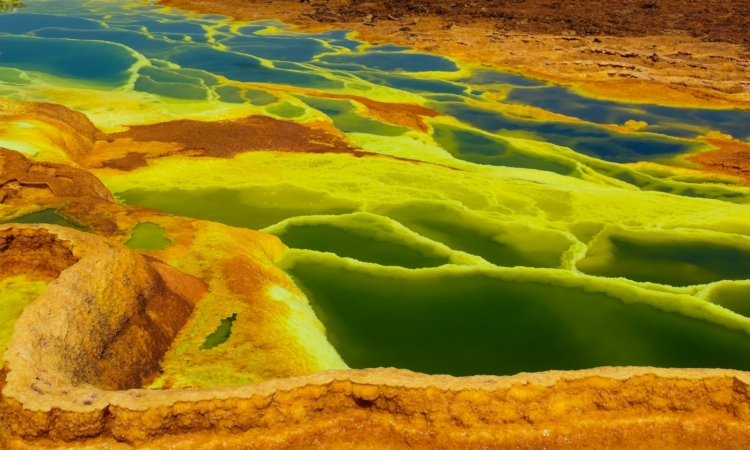
- Danakil Depression: Located in Ethiopia’s northeast, this area is a volcanic wasteland. This is regarded as one of the world’s hottest locations.
- Lalibela: Located in the center of Ethiopia. It has exquisite architecture and a spiritual beauty that is shrouded in mystery. It’s such a magical place.
- Awash National Park: this is the greatest park to experience Ethiopian wildlife.
- Simien Mountains National Park: One of Ethiopia’s tallest mountains is this one. You’ll get fantastic views of the wildlife.
- Omo Valley: This attraction is located in the southern portion of the nation. This area is well-known for its numerous distinctive tribal communities. You are going to engage with Ethiopia’s human side.
- Gheralta Mountains: This mountain offers a mixture of plateaus and cliff experiences. Here, you will learn many hidden facts about Ethiopia.
- Bale Mountains National Park: The Mountain offers fantastic views and experiences in the jungle. You will investigate waterfalls, the mountain’s peak, and wildlife.
- Harar: Eastern Ethiopia’s walled city is referred to as such. Compared to other ancient towns in Northern Ethiopia, this one is a little different. You will be in awe of the views as the sun sets.
- Community Trekking: We’ll be taking walks through the highlands of Lalibela and Tigray. We’ll be hiking here while we learn about the daily lives of the locals, and the summit will provide us with breathtaking views of the surroundings.
- Rift Valley: Home to numerous national features, the rift valley is home to numerous small lakes, the Omo Valley, and the Bale Mountains. As you explore this place, you will be amazed.
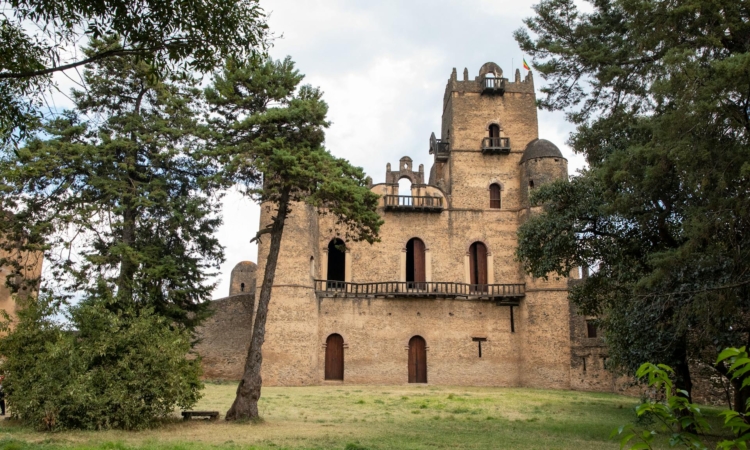
- Bahir Dar, Gonder, and Axum: Located in the country’s north, these ancient towns offer a wealth of architectural and spiritual experiences.
Ethiopia Travel Tips
Like most area in Africa and Ethiopia, it is important that you mid your security since this a wilderness and therefore make sure you keep a safe distance from the animals and also don’t stray from the group. Here are some other tips.
- Make sure you read and follow the park regulations like staying on the trails and avoid disrupting the animals.
- Stay with the guide or the group for your own safety.
- Try as much as possible to respect the locals and their traditions. Do not take pictures without asking.
- These are wild animals even when they appear peaceful, do not attempt to touch them.
- This area can be hot most of the time so it is important to stay hydrated. Carry a lot of water.
- Do no litter. Put the waste in the designated places.
- Keep a safe distance from the animals more so the predators like hyenas, leopards and lions.
Inquire Now