Most prospective travelers wonder if it is still safe to visit the Democratic Republic of Congo. While there are some security concerns in this vast East African country, it remains a destination worth exploring. DR Congo is bordered by nine neighboring countries: Uganda, Angola, Burundi, Central African Republic, the Republic of Congo, Rwanda, Tanzania, South Sudan, and Zambia.
DR Congo is undeniably a resource-rich nation, endowed with minerals like oil, copper, gold, silver, coltan, and diamonds, and it is densely covered by forests, including the lush Ituri and Garamba forests. These forests provide timber and other materials for the people of Congo and neighboring countries.
In recent years, DR Congo has experienced civil wars, militia attacks, and outbreaks of deadly epidemics such as Ebola and cholera. However, the government, along with international bodies like the United Nations, non-governmental organizations, and neighboring allies such as Uganda, has played a significant role in reducing these conflicts. Support in the form of military training, weaponry, and infrastructure development has fostered an environment conducive to tourism growth.
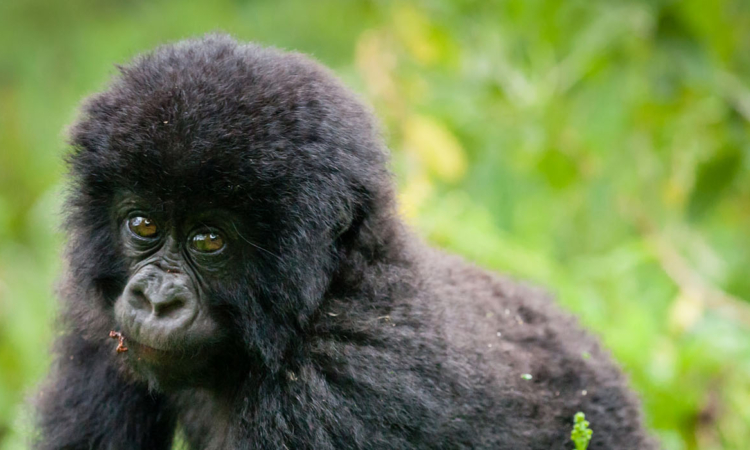
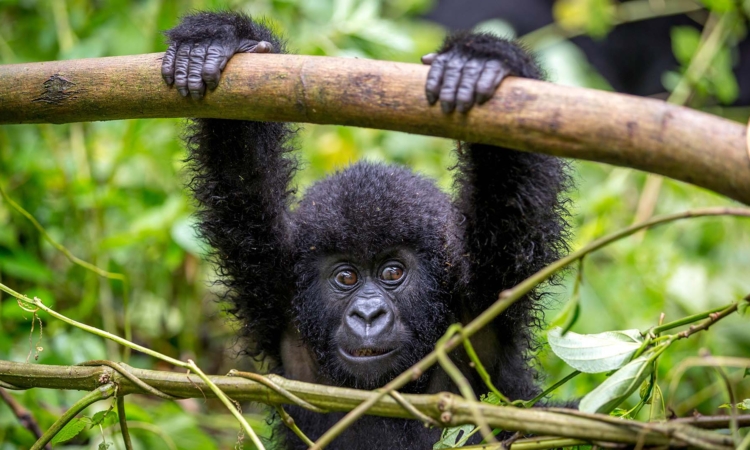
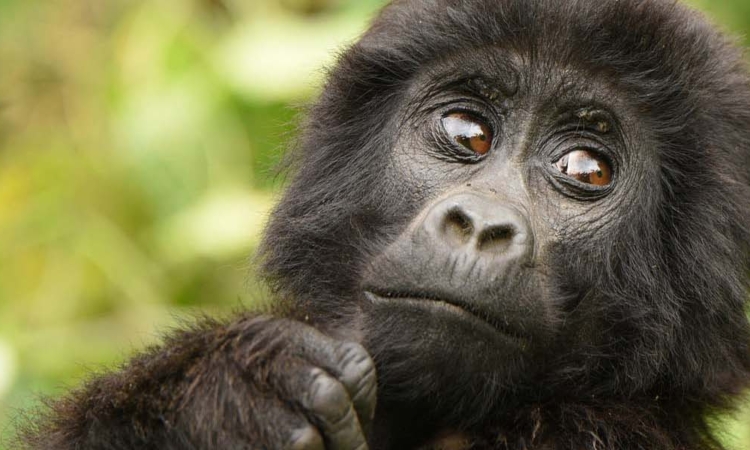
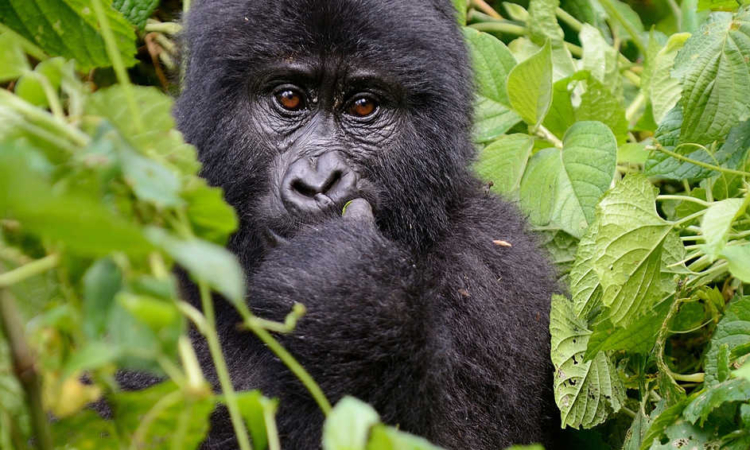
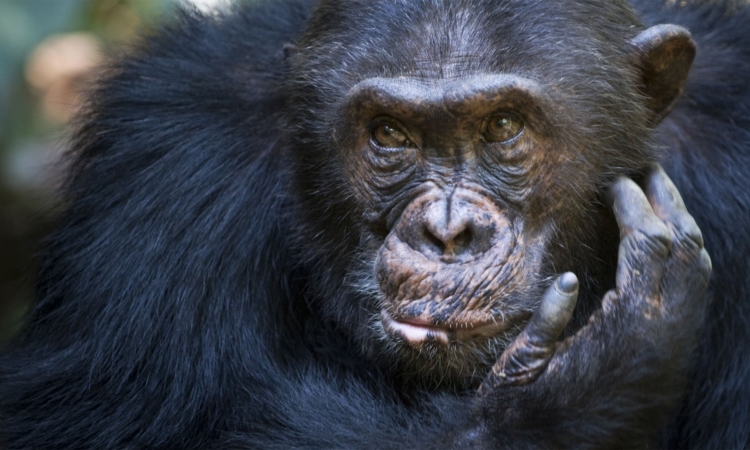
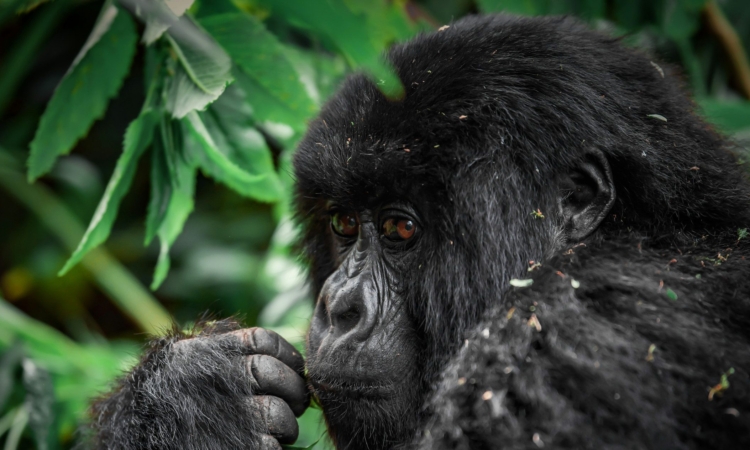
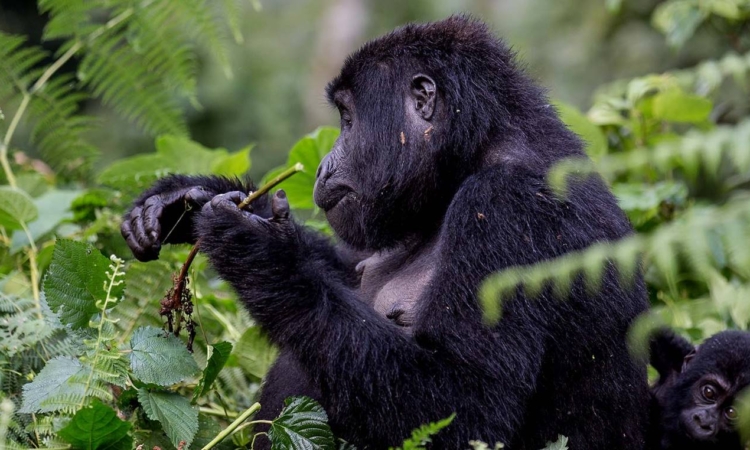
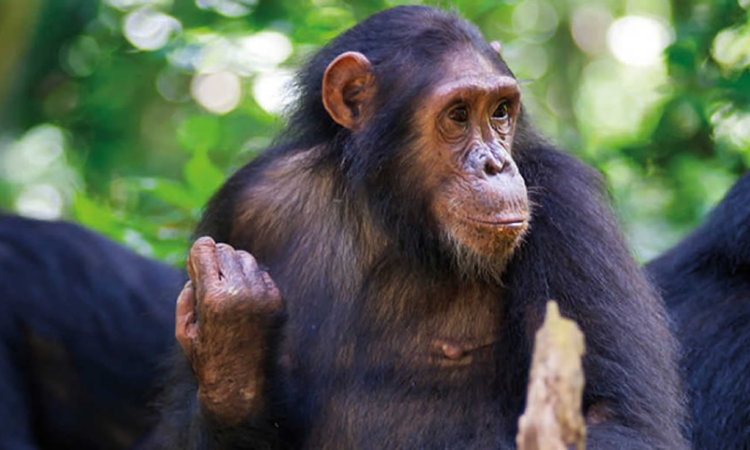
DR Congo boasts a wealth of natural attractions, both natural and man-made, but it is the natural diversity that truly stands out. Virunga National Park is renowned for its mountain gorillas, while the Nyiragongo volcano is famous for its boiling lava lake, visible from the peak. Kahuzi-Biega National Park is home to a quarter of the world’s lowland gorilla population as well as chimpanzees. Other popular sites include the Senkwekwe Gorilla Orphanage, Goma Town, Lake Kivu, and the Rwenzori Mountains.
These attractions continue to draw travelers to DR Congo, despite occasional security concerns. It’s important to note that tourist areas and establishments in high-risk zones are safeguarded by the Congolese army, police, and armed park rangers.
Booking a safari to Congo through a recognized tour company is highly recommended, with solo or private tours advised for visiting DR Congo.
When preparing for a safari to DR Congo, travelers need to secure essential documents, including a passport, Congo visa, yellow fever vaccination card, and the COVID-19 vaccination card. The health and safety of both travelers and locals remain a top priority.
Travelers are advised to avoid public transport, such as buses and taxis, due to a higher risk of theft while using public transportation in DR Congo. Female travelers are also encouraged to stay at the lodge or travel in groups, accompanied by a ranger or guide driver.
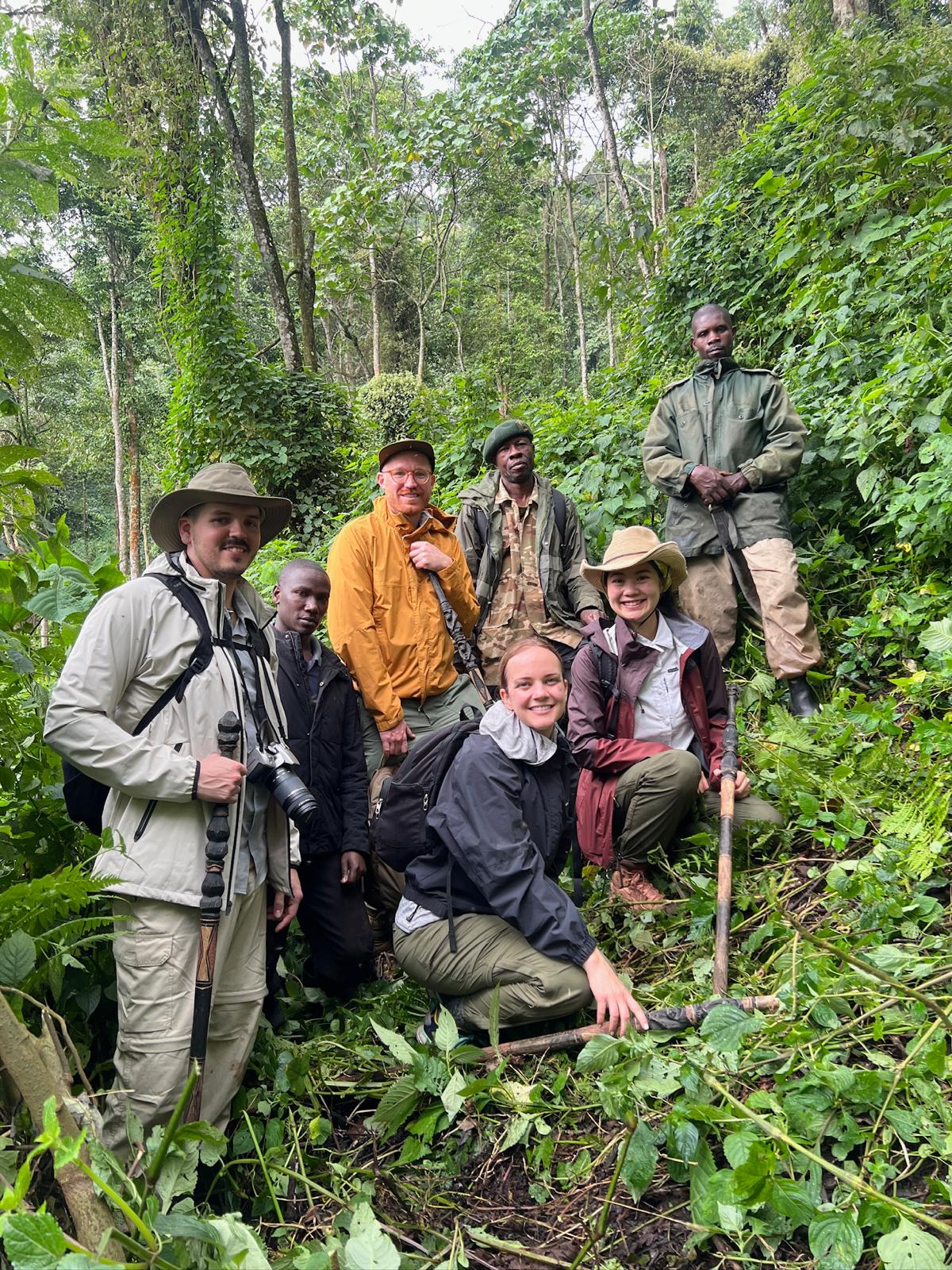
In conclusion, DR Congo is generally safe for tourists, as foreign visitors are rarely targeted by armed rebels. With the guidance of knowledgeable park rangers who are familiar with all areas of the country, tourists can explore DR Congo with confidence.