Ultimate Guide for Booking Madagascar Tours
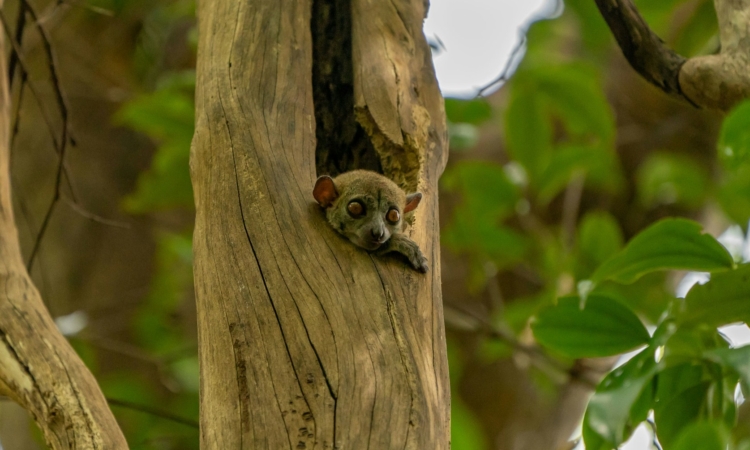
About 25% of the world’s primates live on this island, ranging from tiny and solitary species to large, social troops.
The pattern repeats across other animal groups too: about half of the world’s chameleon species live here, along with hundreds of frog species, many types of bats, and over a hundred harmless snake species. Plant life follows the same trend.
Madagascar isn’t just for wildlife lovers, though. The island also has excellent beaches, diving, surfing, and snorkeling, along with rock climbing, caving, relaxed river trips, striking landscapes, and welcoming locals with rich cultural traditions.
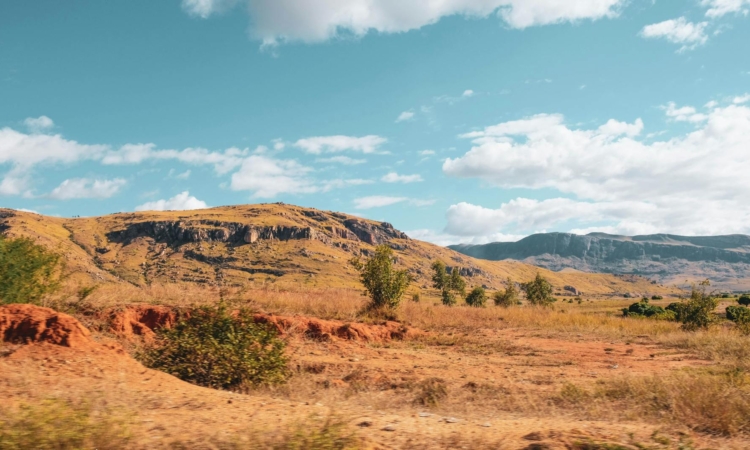
A central plateau splits the island roughly in half. Lush rainforest lines the east coast, while drier deciduous woodland covers the west. The most unusual plant life grows in the dry, thorny scrubland in the far south, and massive baobab trees are found throughout the west.
Madagascar’s culture reflects a mix of Arab, Bantu African, Polynesian, and European influence over the centuries, making it one of the most culturally varied places you can visit.
Planning Your Madagascar Trip: Cost, Tour Types and Operators
Madagascar trip cost depends on how you travel. Group tours and small group tours generally cost less per person than private tours, since guides, vehicles, and park fees are shared.
Luxury Madagascar tours add higher-end lodges, private guides, and smaller group sizes, while a standard guided tour focuses on the main parks and lemur sightings at a more moderate cost.
Family tours, tours for seniors, and adventure or trekking tours all follow similar pricing patterns, with cost rising alongside trip length and the remoteness of the parks visited.
A typical Madagascar tour operator itinerary starts and ends in Antananarivo, since most flights into the country land there. Antananarivo tours are a common add-on at the start or end of a longer trip, giving you a look at the capital before heading out to the parks.
Many tour operators are based in or run trips from Antananarivo, and some also offer tours to Madagascar from the US and other countries with all flights and internal transport included.
Beyond wildlife and hiking, dedicated lemur tours and birding tours are popular for travelers focused on Madagascar’s endemic species, while a Madagascar safari and beach holiday pairs park visits with time in Nosy Be or Île Sainte Marie.
Some travelers also look for an all-inclusive Madagascar vacation with accommodation, meals, and activities bundled into one price. Contact one of our travel specialists to compare options and get a cost estimate for your dates.
Best time to visit
Madagascar’s climate varies a lot by region, so it’s worth planning ahead. The rainy season runs from March to December. During this time, temperatures often sit around 30°C (86°F), with tropical storms affecting the rainforest-covered east and north.
Meanwhile, the central highlands stay cooler and drier, with highs around 25°C (77°F). The west and south coasts are the driest parts of the country.
The dry season runs April to October, though the peak travel season doesn’t start until early May. July and August are the busiest months, driven by school holidays in the US and Europe.
For wildlife viewing, September through December is a great window, since many lizards and snakes come out of hibernation.
The highlands, including Antananarivo, are windy, dry, and cool during this period, turning warm and stormy from November to April. Avoid traveling between January and March, when cyclones and severe storms are common.
What to pack
Lightweight clothing works well year round in the north and south, and during summer on the central plateau. Natural fibers like cotton suit the heat. In mountain regions, pack warmer layers for evenings and winter months, and bring rain gear as a precaution.
Geography
Madagascar sits in the Indian Ocean about 500 kilometers (300 miles) off the coast of Mozambique, making it the fourth largest island in the world.
A central mountain range called the Hauts Plateaux runs through the main island and separates the wetter east from the drier west, along with a shift in scenery and ethnic makeup.
Dense jungle covers most of the narrow eastern lowlands, first settled by Polynesian sailors around the sixth century. The west coast, once covered in dry deciduous forest, is now mostly grassland.
Both coasts get wetter toward the north, and the east coast experiences monsoon rains. The far south is semi-desert, with scrub and cactus-like forest, and much of the island’s plant and animal life exists only here.
Antananarivo, the capital, sits high in the Hauts Plateaux near the geographic center of the island.
Top Things to See and Do in Madagascar
Avenue of the Baobabs
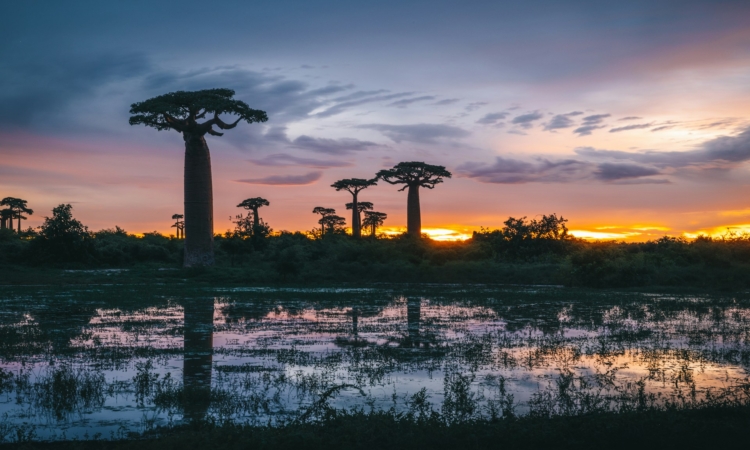
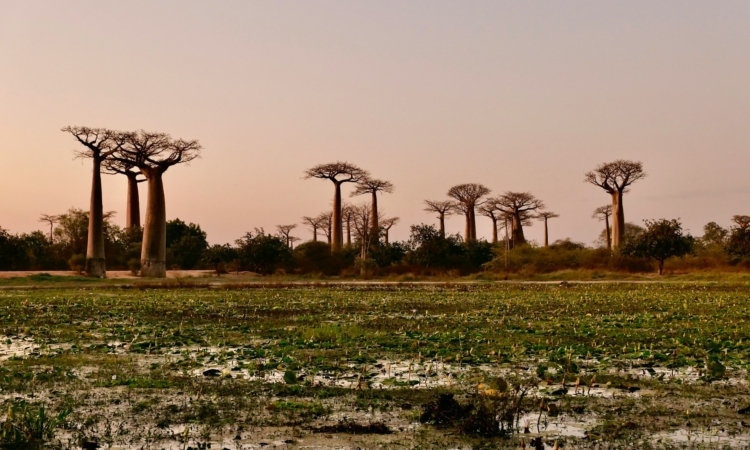
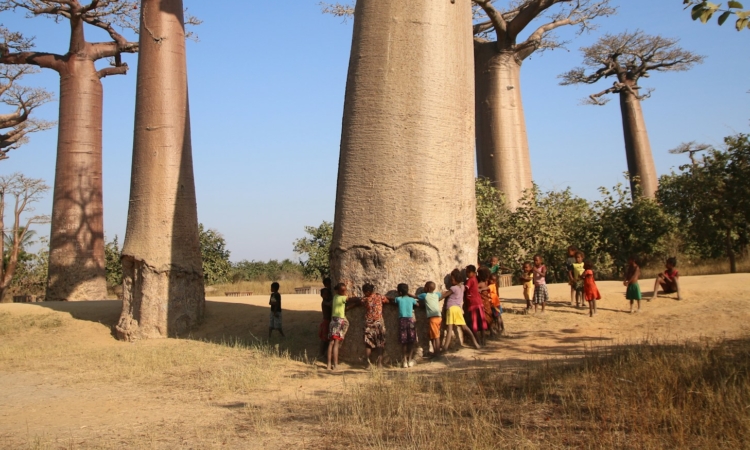
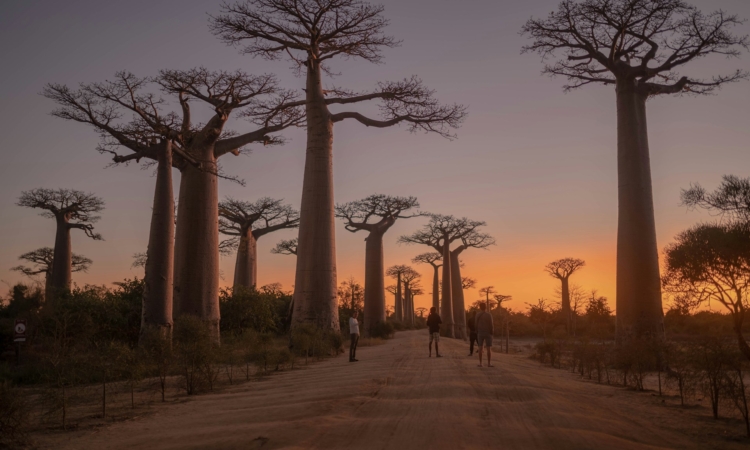
Madagascar’s baobab trees grow up to 30 meters (98 feet) tall and 11 meters (36 feet) wide, and can live for up to 1,000 years. While baobabs grow across the country, this stretch of road lined with them is one of the most recognizable images of Madagascar.
Tsingy de Bemaraha
This park is split into Great Tsingy and Little Tsingy, both near the west coast. Reaching it takes a full day of 4×4 travel over rough terrain, but the unusual, jagged rock formations make the trip worthwhile. Entry costs 55,000 MGA.
Isalo National Park
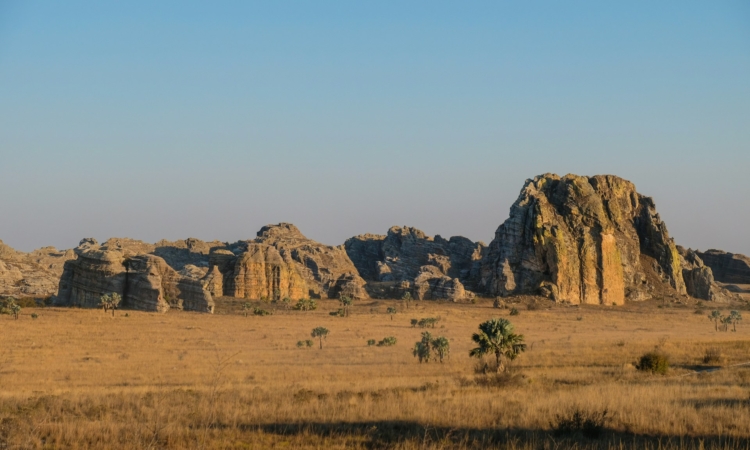
Isalo is known for challenging hiking trails, cliffs, ravines, gorges, canyons, and a wide range of wildlife. A guide is required to explore the park and can be hired at the entrance. Guides cost between 80,000 and 100,000 MGA, and admission is 65,000 MGA.
Nosy Be
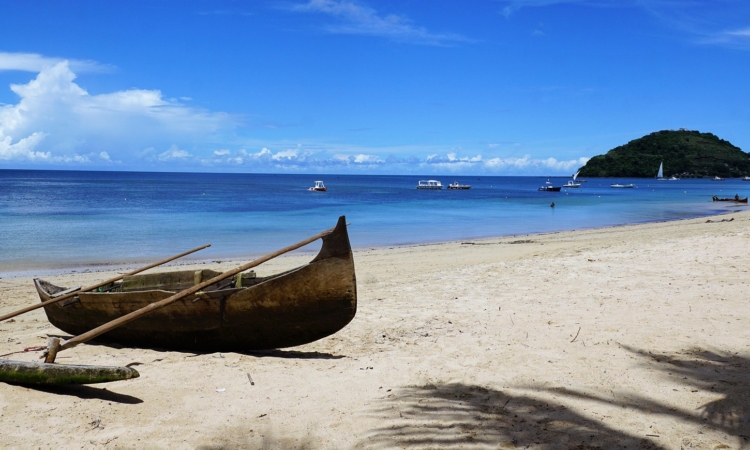
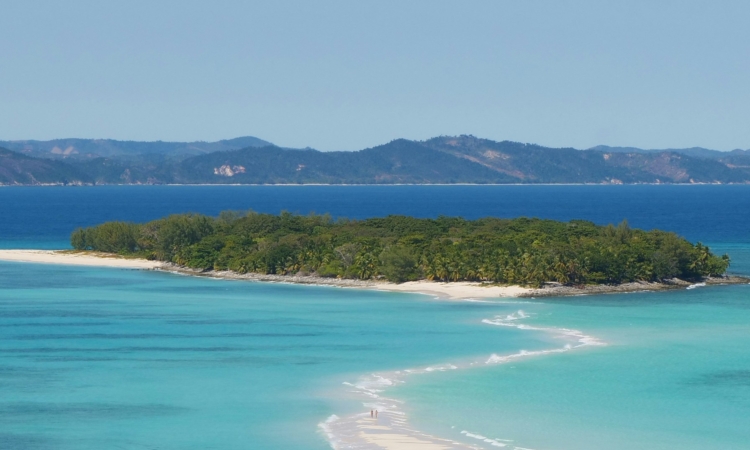
For Madagascar’s best known beaches, head to Nosy Be. This island sits 8 kilometers (5 miles) offshore and offers white sand beaches, upscale dining, and resort-style accommodation. Sunday beach parties are popular here, along with whale watching, fishing, snorkeling, and diving.
Lemur Island
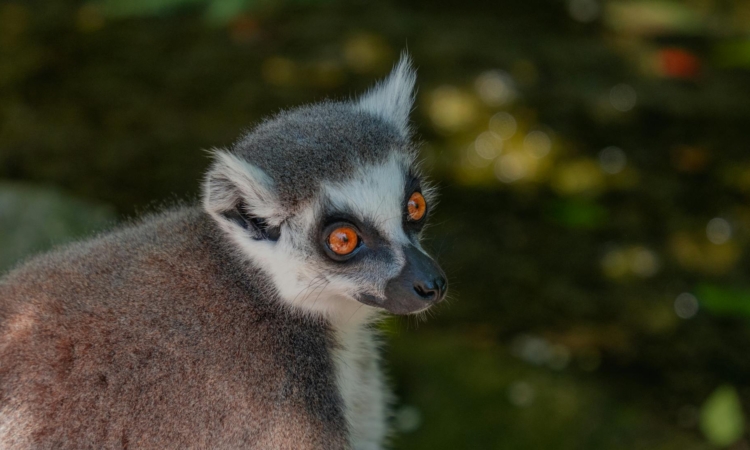
Lemur Island is a nature reserve home to four lemur species rescued from captivity. Where possible, lemurs are returned to the wild; those that can’t survive independently stay on the reserve. Entry costs 12,000 MGA.
Other Things to See and Do in Madagascar
Île Sainte Marie
While Nosy Be draws visitors for its resorts, Île Sainte Marie offers a more affordable, low-key alternative off the east coast. This former pirate stronghold (the ship of 17th century pirate Captain Kidd sank nearby) has small coves, a pirate cemetery, and excellent seafood.
The beaches aren’t as polished as Nosy Be’s, but the south of the island has a quiet white sand beach worth the trip, and this region is also one of the best for whale watching. Round-trip flights cost around 810,000 MGA; the ferry is slow and not recommended.
Ranomafana National Park
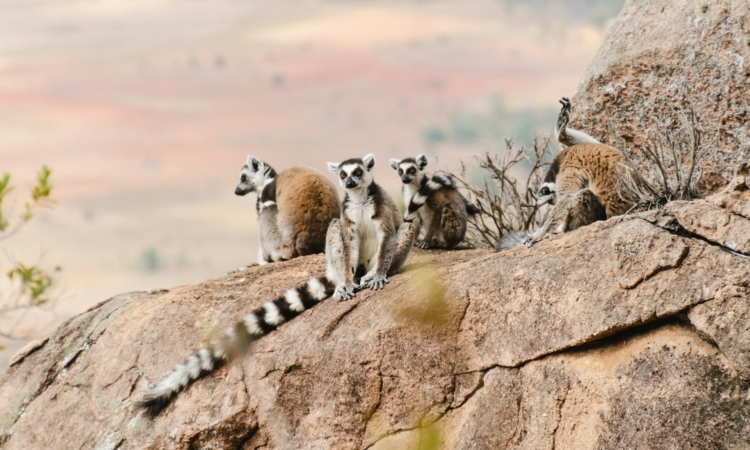
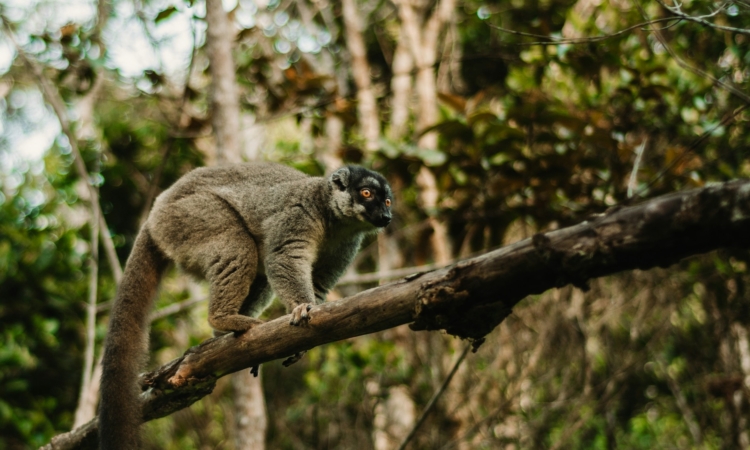
Home to twelve lemur species, Ranomafana is one of the best places in the country to see them. Visitors can also spot birds, chameleons, over 130 frog species, and giraffe beetles.
A morning hike combined with afternoon and evening guided hikes on the secondary trails gives a quieter experience, since most visitors skip these routes.
Because the park limits daily visitor numbers, it’s best to visit in the low season. Admission is 22,000 MGA per day, and guides cost between 80,000 and 120,000 MGA.
Toliara
This west coast town is known for its expat community, popular pizza restaurants, and as the starting point for dive trips to the offshore reef.
It’s a good spot to relax on the beach, and the drive along the N7, the region’s main highway, passes beautiful scenery along with Ranomafana and Isalo National Parks. A single dive costs 180,000 MGA.
Antananarivo
Madagascar’s capital, often called Tana, has heavy traffic but rewards a short visit with its cultural heritage.
Visit the lemur park and the Rova, the old royal palace, take in the city’s international atmosphere, and use it as a base for trips further afield.
Try zebu
Zebu is a type of cattle with a distinctive back hump, used as a working animal and traditionally given as part of marriage dowries.
It’s the primary beef served across the country, usually alongside rice, and tends to be prepared in stews since the meat is tougher from a lifetime of farm work. It’s worth trying while you’re here.
Drive the N5
The N5 winds north along the east coast from Toamasina to Maroantsetra, through some of the island’s least developed regions. It’s also one of the best chances to spot the rare aye-aye lemur.
The 400 kilometer (250 mile) route passes through dense jungle, river crossings, and small villages, and is considered one of the roughest roads in the country. The full drive can take more than a day, and some sections become impassable at times, so plan extra time.
Whale watching
Around 7,000 humpback whales migrate from Antarctica to Madagascar between June and November to breed, making whale watching here some of the best in the world.
Adult humpbacks can reach 16 meters (52 feet) long and weigh over 30 metric tons (66,000 pounds). The rarer Omura’s whale, also called the dwarf fin whale, can also be spotted in Madagascar’s waters. Tours cost 135,000 MGA.
Mantadia National Park
Mantadia covers 155 square kilometers (60 square miles), about 160 kilometers (100 miles) east of the capital. The park is home to 14 lemur species, over 115 bird species, and 84 amphibian species, many endangered.
A required local guide costs between 60,000 and 80,000 MGA, admission is 45,000 MGA, and in-park lodges cost 57,000 MGA per night.
Lokobe National Park
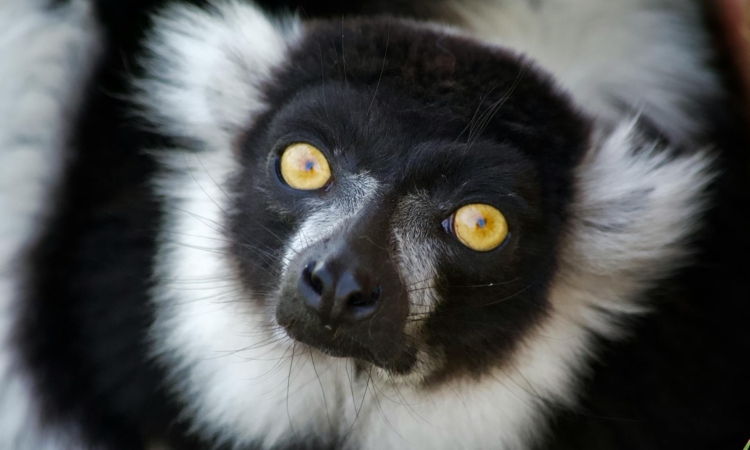
Lokobe, on the southeast tip of Nosy Be, protects one of the last remaining forests in the Sambirano region, home to endemic birds, black lemurs, and panther chameleons.
Reaching the park requires a 20 to 40 minute pirogue (rowboat) ride from Nosy Be. Entry costs 55,000 MGA, and Lokobe is one of the few parks in Madagascar that doesn’t require a local guide.
Nosy Mangabe
This small island off Madagascar’s northeast coast sits within Helodrano Antongila Bay and is known for its aye-aye lemur population. Fig trees mix with palm groves, Mantella frogs share the underbrush with ruffed lemurs, and green slopes drop into quiet coves with golden sand. Boats to the island, including required permits, run from Maroantsetra. Entry costs 45,000 MGA.
Ambohimanga
This royal hill, 24 kilometers (15 miles) from the capital, was once home to Madagascar’s rulers and served as the country’s first capital. The walled complex, expanded through the 1700s, holds mansions, burial grounds, old defenses, and royal tombs.
It was from here that King Andrianampoinimerina began reuniting the country after more than 70 years of civil conflict in the 18th century. A free guide is available on site (tipping is expected), and admission is 10,000 MGA.
Antsirabe
Madagascar’s third largest city, Antsirabe sits high in the Central Highlands and was a favorite of French settlers during the colonial era, who built Parisian-style houses, Gothic cathedrals, and tree-lined boulevards.
The city retains much of that character today. Its name means “place of much salt,” and its natural thermal springs have made it a popular wellness destination. It’s also known for some of the country’s best food.
Religion in Madagascar
About 41% of the population identifies as Christian, and about 52% follow traditional animist beliefs. The remainder are Muslim.
Social Conventions in Madagascar
Malagasy people are warm and welcoming, with a direct communication style. A handshake is the standard greeting between strangers meeting for the first time, and three cheek kisses are common between friends.
Punctuality can be relaxed, so build flexibility into your plans. Casual dress is fine outside of upscale hotels and restaurants, where light suits are recommended.
Avoid wearing anything with a military look, since it can lead to trouble with authorities. Restaurants and bars are typical settings for socializing, while an invitation to someone’s home suggests a closer relationship, and should be treated as an honor.
Bring a gift rather than cash when invited somewhere. Respect local taboos, known as fady, which vary by region and community; common examples include not touching a propithecus lemur and not pointing at tombs. It’s worth asking locally about any fady specific to the area you’re visiting.
Avoid photographing police, military personnel, or airport facilities.
Language in Madagascar
French and Malagasy, a language related to Indonesian, are the official languages, and English is not widely spoken. Regional accents and dialects are common.
Hotels
Madagascar has a wide range of hotels, especially in Antananarivo, Nosy Be, Toamasina, Majunga, Ifaty, and Tamatave. Ongoing tourism investment is adding more international-standard hotels at reasonable prices in major cities.
Budget hotels in cities can cost around $10 per night, though options outside major towns tend to be more basic. Group and youth accommodation is also available.
Hotels are rated on a 1 to 5 star scale, though a local 5-star rating is closer to an international 3-star standard. A separate rating system, known as travelers’ palms, applies to basic, low-cost lodging.
Camping
Most national parks in Madagascar have campsites for travelers who want to camp independently, and many tour operators include camping as part of their itineraries.
Some parks also have bungalows or dorms just outside the park boundary. Facilities are usually shared, and specialized camping gear can be hard to find locally, so bring what you need.
Shopping in Madagascar
Textiles are a popular buy, including lamba, traditional sarong-style garments worn in various ways, including as a baby sling, and silk scarves made from the rough silk of an endemic silkworm species rather than the smoother imported silk found elsewhere.
Embroidered and crocheted tablecloths, especially from Nosy Be and Tamatave, are also popular from the northern and central regions, along with cotton T-shirts printed with Malagasy phrases and designs, widely available across the country.
Wooden items like carved or marquetry chessboards and boxes are common, with Ambositra, south of the capital on the RN7, serving as the main woodworking hub. Traditional instruments like the valiha (a tube zither) and djembe drums are also available.
Buying carved wooden souvenirs raises environmental concerns, since most are made from palisander, rosewood, or ebony, all slow-growing hardwoods being harvested faster than they can regrow.
Jewelry options include silver bracelets and pieces made from semi-precious stones and zebu horn, reflecting the country’s varied geology.
Handmade toy vehicles and taxi-buses made from recycled tin cans make a distinctive gift, and are sold in markets in the capital.
Other souvenirs include woven straw, sisal, and reed items like bags, hats, and decorative animal figures. Antaimoro paper, made with pressed flowers, is used for picture frames, bags, lampshades, notebooks, and stationery.
For edible souvenirs, look for cloves, cinnamon, peppercorns, vanilla pods, and other spices, along with locally made chocolate (the Robert brand is a good option). Local wine tends to be lower quality.
Note that items made with diamonds, minerals, or plant and animal materials may require an export permit. Check the relevant ministry kiosk at the airport before you fly out.
Nightlife in Madagascar
Live bands, solo performers, and discos are the main draws, and even small towns in the south often have a nightclub. Larger discos run themed nights, usually announced on Facebook in advance.
In major tourist spots like Nosy Be, be aware of solicitation from local sex workers. Many bars and restaurants also host live music, typically once a week.
Casinos exist in Antananarivo, Tamatave, and Nosy Be, though outside these three cities, a “casino” usually means a room with basic arcade games rather than table games with dealers.
Most major towns have a theater or cinema, and traveling theater and traditional dance groups perform around the country. Local Alliance Française branches are a good source of event listings.
The Centre Culturel Albert Camus on Analakely’s main boulevard in Antananarivo hosts plays, dance performances, film screenings, and art exhibitions.
Free local publications like No Comment, Tana Planète, or Sortir à Tana, available at hotels and restaurants, list current events around the city.
Madagascar Food and Drink
Malagasy meals typically center on a large portion of rice, with a smaller side of meat, vegetables, and sauce.
Restaurants aimed at tourists usually serve a more balanced ratio of rice to sides, often with fries in place of rice in these largely French-influenced dishes.
Zebu steak, often served with a creamy green peppercorn sauce, is a highlight, and seafood, especially lobster and shellfish, is common along the coast. Pizza is widely available, and inexpensive Chinese restaurants are a reliable option for independent travelers in most towns.
Hotels in remote areas often serve a set menu with limited options, and even restaurants with a large printed menu may only have a few dishes available outside peak season.
Vegetarian travelers are usually well accommodated, even where menus don’t list vegetarian options directly. Travelers with specific dietary needs, like a peanut allergy, should learn the French and Malagasy terms for what to avoid and carry them written down for restaurant staff.
Street snacks include toffee or coconut-coated peanuts and coconut slices. Vendors carrying a glass case on their head usually sell koba (banana, peanut, and rice paste wrapped in banana leaf), sambos (samosas), or nems (spring rolls).
Healthcare
Madagascar has hospitals and clinics across the country, and basic healthcare is provided free of charge, though services can be limited and hospitals are often understaffed. Travel insurance with emergency repatriation coverage is strongly recommended. Private healthcare is also available.
Pharmacies are limited outside major towns, so travelers should bring enough medication for common issues like stomach upset, since local options may be limited.
There’s no emergency ambulance service on the island, though a private air ambulance is available. The police emergency number is 17.
Other Health Risks
Bilharzia is present in Madagascar, so avoid swimming in untreated fresh water and stick to clean, chlorinated pools. Hepatitis B and TB vaccinations are sometimes recommended.
Cases of human plague have occurred in northwest Madagascar and elsewhere, so avoid handling sick or dead animals and use insect repellent as a precaution.
Malaria risk exists across the country, so starting antimalarial medication before your trip is advisable.
Frequently Asked Questions About Madagascar Tours
How much does a Madagascar trip cost?
Madagascar trip cost depends on trip length, group size, and lodge quality. Group tours and small group tours cost less per person than private tours, since guides and vehicles are shared. Luxury tours with private guides and higher-end lodges cost more. Request a price on any package above, or contact us for a custom quote.
What is included in Madagascar tour packages?
Most Madagascar tour packages include accommodation, guided park visits, park entry fees, and ground transport. Longer packages often include internal flights between regions, since road travel between parks can take a full day. Check each package listing for full details.
How many days do I need for a Madagascar tour?
A short 3 to 5-day trip covers Andasibe Reserve and its lemurs, close to Antananarivo. A 7 to 10-day tour lets you add Tsingy de Bemaraha, the Avenue of the Baobabs, or a beach stay in Nosy Be. Longer trips of 15 days or more combine parks across the island with time on the coast.
What is the best time to visit Madagascar?
The dry season, from April to October, is the best time for a Madagascar wildlife tour, with peak travel from May onward. September through December is ideal for spotting reptiles as they come out of hibernation. Avoid January to March, when cyclones are common.
Can I book a small group tour of Madagascar?
Yes, small group tours are available across most of our Madagascar itineraries, keeping group sizes limited for a more personal experience with your guide. Ask us which packages currently run as small group departures if this is a priority for you.
Do you offer private tours of Madagascar?
Yes, private tours let you set your own pace, choose your own vehicle and guide, and adjust the itinerary as you go. This option costs more than a group tour but gives you full flexibility on timing and stops. Contact us to build a private Madagascar itinerary.
Are Madagascar tours suitable for families?
Yes, many of our Madagascar tours work well for families, especially itineraries built around lemur reserves like Andasibe, which involve shorter walks and high chances of wildlife sightings. Let us know the ages of your children and we can recommend the best fit.
Do you offer Madagascar tours for seniors?
Yes, we can adjust pacing, walking distances, and accommodation choices to suit older travelers. Parks like Andasibe and Ranomafana offer shorter, well-maintained trails, while more remote parks like Tsingy de Bemaraha involve longer travel and rougher terrain. Tell us your fitness level and we’ll recommend a suitable itinerary.
What wildlife will I see on a Madagascar tour?
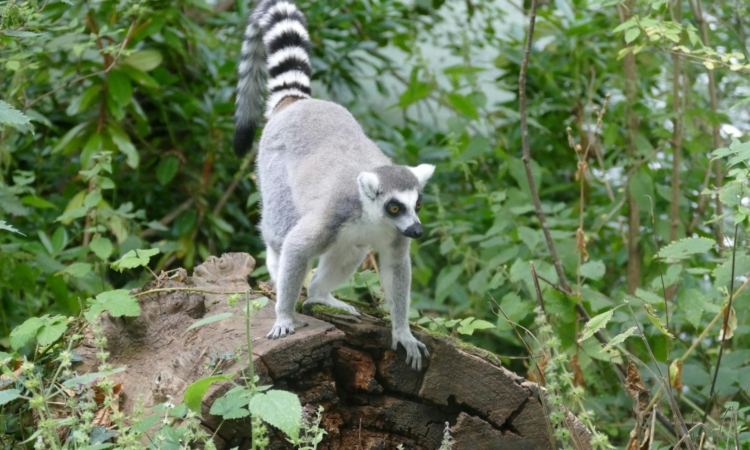
Madagascar is home to over 100 lemur species, along with chameleons, frogs, and birds found nowhere else on earth. Parks like Ranomafana and Andasibe offer some of the best lemur sightings, while Nosy Be and Île Sainte Marie are known for whale watching between June and November.
Can I combine a Madagascar safari with a beach holiday?
Yes, a Madagascar safari and beach holiday is one of our most popular combinations, pairing park visits with time in Nosy Be or Île Sainte Marie. This works well as a 10 to 15-day itinerary, giving you wildlife, culture, and beach time in one trip.
Do Madagascar tours start and end in Antananarivo?
Most Madagascar tours start and end in Antananarivo, since it’s the main entry point for international flights. Many itineraries include an Antananarivo city tour at the start or end of the trip, covering the Rova palace and the lemur park before heading out to the national parks.
What are the best Madagascar tour operators?
The best Madagascar tour operators are ones with strong local guides, clear pricing, and good reviews from past travelers. We work with experienced local operators and guides across the island’s main parks and can match you with the right itinerary based on your interests and budget.
Are there birding tours available in Madagascar?
Yes, Madagascar is one of the best birding destinations in the world, with dedicated birding tours available through parks like Ranomafana, Mantadia, and Ankarana. These tours use specialist guides trained to spot and identify the island’s many endemic bird species.
What are the best lemur tours in Madagascar?
Andasibe Reserve, Ranomafana National Park, and Lemur Island offer some of the best lemur tours in Madagascar, each with different species and viewing styles. Andasibe is closest to Antananarivo, while Ranomafana has the widest variety, with twelve lemur species in one park.
Are there trekking tours in Madagascar?
Yes, trekking tours are available at Andringitra National Park, home to Pic Boby, one of Madagascar’s highest peaks, and at Isalo National Park, known for its canyons and rock formations. Both require a guide and moderate to good fitness levels.
Is Madagascar good for an all-inclusive vacation?
Yes, some Madagascar vacation packages bundle accommodation, meals, park fees, and activities into one price, especially beach-focused stays in Nosy Be. Ask us about all-inclusive options if you’d prefer a fixed cost with no extra charges along the way.
What is the difference between a luxury and standard Madagascar tour?
A luxury Madagascar tour includes higher-end lodges, private guides, and smaller groups, while a standard guided tour covers the same parks with shared transport and simpler accommodation. Both cover the same highlights; the difference is mainly comfort level and cost.
Do I need a visa or vaccinations for Madagascar?
Most travelers need a visa to enter Madagascar, available on arrival or in advance depending on your nationality. Hepatitis B and TB vaccinations are sometimes recommended, and starting antimalarial medication before your trip is advisable. Check current requirements with your embassy before booking.
How do I book a Madagascar tour?
Browse our Madagascar tour packages above and request a price for the itinerary that fits your dates and budget. If you’d rather build a custom trip, contact one of our Madagascar travel specialists and we’ll put together an itinerary based on your interests.