Ultimate Guide for Booking Namibia Safari Tours
Namibia has long been known for its scenery, but travelers are increasingly drawn to Namibia safaris for its wildlife, particularly the growing population of endangered large mammals thriving in the country’s semi-arid regions.
Outside the game-rich boundaries of Etosha, Namibia’s top safari park, the world’s largest cheetah population roams the plains, while desert-adapted black rhino and elephant move along the riverbeds and troughs of the northwest African plains.
Local communities increasingly work alongside conservationists to protect these animals, and many are now welcoming tourists to learn about their customs and way of life. Namibia tourism continues to grow around this mix of wildlife, landscape, and community based travel.
The Namib Desert
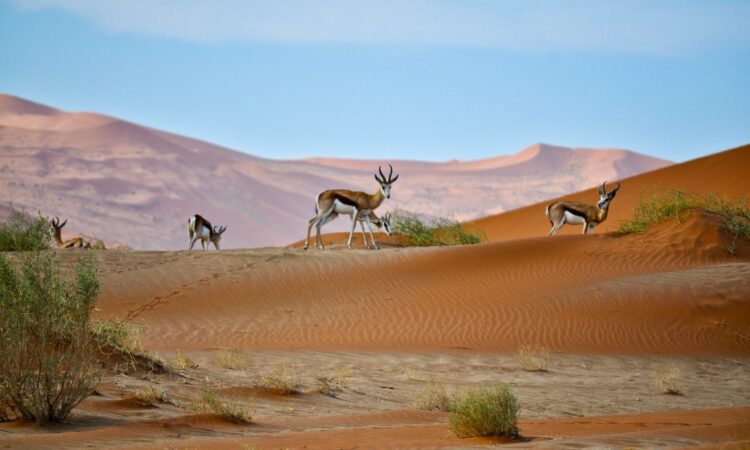
The Namib is the oldest desert in the world. It’s home to an abundance of remarkable succulent plants and dune-dwelling animals, particularly lizards, that have adapted to the harsh environment and have been featured in wildlife documentaries.
Sesriem, the gateway town to Sossusvlei, is a common overnight stop for travelers heading into the dunes, and camping at Sesriem lets you reach the dunes for sunrise before the day gets hot.
About three-quarters of the country’s bird species, along with other large animals unique to Namibia, are found in the lush, subtropical Zambezi Region.
Fish River Canyon, in Namibia’s extreme south, is one of the country’s most notable natural landmarks, with wide views across a deep, winding fissure in the Earth’s crust. It’s worth adding to your Namibia tour package.
Meanwhile, the sandstone Waterberg Plateau dominates the neighboring bushveld in the northeast. A very different landscape appears in the far north, in the species-rich wetlands of the Zambezi Region, a 450km stretch of subtropical woodland that reaches out above Botswana toward Zimbabwe and Victoria Falls.
Like most African countries, Namibia’s political history has been shaped by colonialism, particularly under German and later South African rule, which led to apartheid and a war of independence lasting over twenty years.
Namibia’s cuisine has benefited from this colonial history, even alongside its lasting negative effects. From German cakes, brötchen, and good coffee to the dry cured meats favored by South Africans, the country’s food reflects this mixed heritage.
Namibia was among the last African nations to gain independence, in 1990. Just as international travelers were slow to discover Namibia’s landscapes, wildlife, and cultural richness, the government has also taken time to recognize the country’s tourism potential.
Namibia is now building a name for itself with travelers: quality, reasonably priced lodges and campsites are opening, often in partnership with local conservancies. Rural communities welcome visitors to learn about their traditions and daily life, and new experiences keep emerging, from hot-air ballooning over the desert to skydiving or kayaking with crocodiles.
Namibia Safari Cost: How Much Is a Safari to Namibia?
Namibia safari cost and safari prices depend on the package you book. The table below shows typical costs.
| # |
Package |
Cost (per person) |
| 1 |
18-Day Combined Namibia Safari Tour |
from $8,800 |
| 2 |
17-Day Namibia Safari, Botswana and Victoria Falls |
from $8,000 |
| 3 |
12-Day Namibia Safari, Chobe and Victoria Falls Tour |
from $7,200 |
| 4 |
10-Day Best of Namibia Safari |
from $4,000 |
| 5 |
10-Day Botswana and Namibia Safari |
from $5,500 |
| 6 |
7-Day Namibia Safari Holiday |
from $3,500 |
| 7 |
4-Day Etosha Wildlife Safari in Namibia |
from $1,700 |
| 8 |
3-Day Etosha Safari in Namibia |
from $1,200 |
Namibia Safari Types: Preferred Holiday Travel Themes
Choosing a Namibia safari type is a good way to start planning your trip. It keeps you focused on a particular style of travel, which helps you get more out of the experience.
As you plan your Namibia safari, consider these holiday types:
Budget Safaris in Namibia
With campsites spread across the country, few places offer better value for a budget safari. Most travelers on a budget choose self drive Namibia options.
Luxury Safaris in Namibia
Namibia has some of the best luxury lodges in Africa, paired with landscapes that make the experience stand out even further. Luxury Namibia tours typically include private guides and higher-end accommodation.
Camping Safari Adventures in Namibia
Campsites are widespread across the country, with both catered and self-catered options available.
Wildlife Safari Holidays in Namibia
The best Namibia wildlife safaris center on Etosha National Park, a distinctive reserve with unique scenery.
Cultural Safari Tours in Namibia
Visiting the Himba community is one of Namibia’s most distinctive cultural experiences, and most tourists visit to learn about their way of life.
Flying Safaris in Namibia
As one of Africa’s largest countries, flying safaris are common in Namibia and help cut down on transfer times between destinations.
Balloon Safaris in Namibia
Balloon safaris run between Sesriem and Sossusvlei, and in the northern part of the NamibRand Nature Reserve.
Student Trips in Namibia
With a rich history, unique landscapes, and distinct culture, Namibia is a strong choice for student trips in Africa.
Honeymoon Safari Vacations in Namibia
Namibia’s landscapes and scenery make it a strong honeymoon destination, and its size and low population density create a private, quiet setting for couples.
Beach Holidays in Namibia
Namibia is the only place in the world where the desert meets the ocean, an experience you can have on a Sandwich Harbour tour or a Sandwich Harbour 4×4 tour out of Walvis Bay.
Lion Safari Tours in Namibia
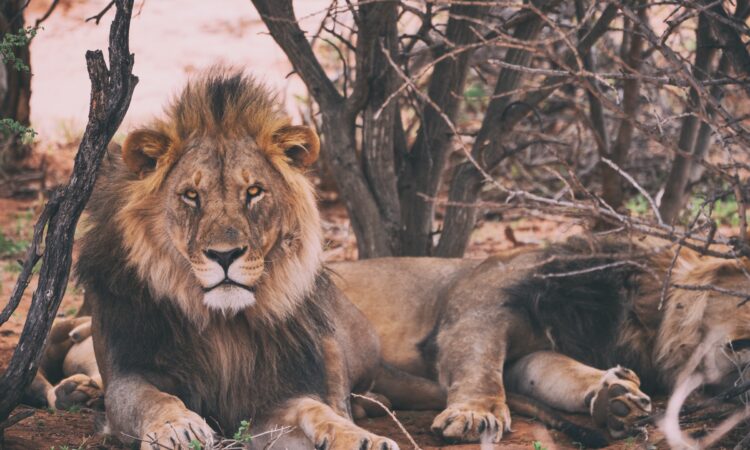
Lion safaris in Namibia are best done at Etosha National Park, home to the Kalahari lion, a distinct regional population of the species.
Hunting Safaris in Namibia
Namibia hunting safaris are a long-standing part of the country’s tourism industry, typically run on private conservancies with licensed professional hunters.
Solo Trips in Namibia
Solo travel in Namibia takes planning. Given the country’s size and the distances between destinations, traveling alone can feel daunting, but it’s manageable with the right guidance and a well maintained vehicle.
Family Safaris in Namibia
Most Namibia safari destinations are family friendly, making it one of the better African countries to visit with children.
Birding Safaris in Namibia
Birding safaris are best done at the Brandberg and Erongo Mountains, since the rest of the country is dry and less suited to bird watching.
Historical Tours in Namibia
With its German colonial history, few African countries offer as much for historical tours. Notable sites include Skeleton Coast National Park, Kolmanskop Ghost Town, Lüderitz, Solitaire, the Tropic of Capricorn, and Swakopmund.
Self Drive Namibia: Planning Your Own Route
Namibia is one of Africa’s best countries for a self drive safari, thanks to its well maintained gravel roads and clearly marked routes between major parks. A typical Namibia self drive tour connects Windhoek, Etosha National Park, Swakopmund, and Sossusvlei, with small towns like Usakos and Keetmanshoop serving as convenient overnight stops along the way. If you’d rather not drive yourself, we also offer Namibia guided tours and Namibia group tours with a driver-guide included, along with private and small group options for travelers who prefer a more personal pace.
Top 15 Things to Do in Namibia
Southwest Africa’s Namibia is known for its landscapes, wildlife, and cultural heritage. From the dunes of the Namib Desert to the wildlife of Etosha National Park, Namibia offers plenty for adventurous travelers. Here are 15 top tourist destinations and things to do on your trip.
The Namib Desert and Sossusvlei
Start your trip at Sossusvlei, an area known for its tall red sand dunes. Climb Dune 45 for wide views as the sun changes the color of the dunes.
Fish River Canyon
See one of Africa’s most notable natural landmarks. Hike along the rim for wide views into this deep, winding canyon.
Swakopmund
Visit this coastal town for a mix of adventure activities and German colonial architecture. Namibia tours and safaris from Swakopmund commonly include skydiving, sandboarding, or a scenic flight over the Skeleton Coast. Walvis Bay tours, just south of town, are also a popular add-on for dolphin and seal cruises.
Etosha National Park
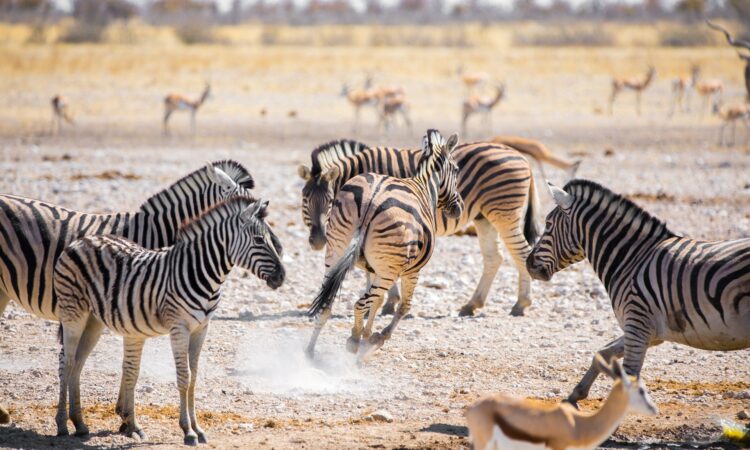
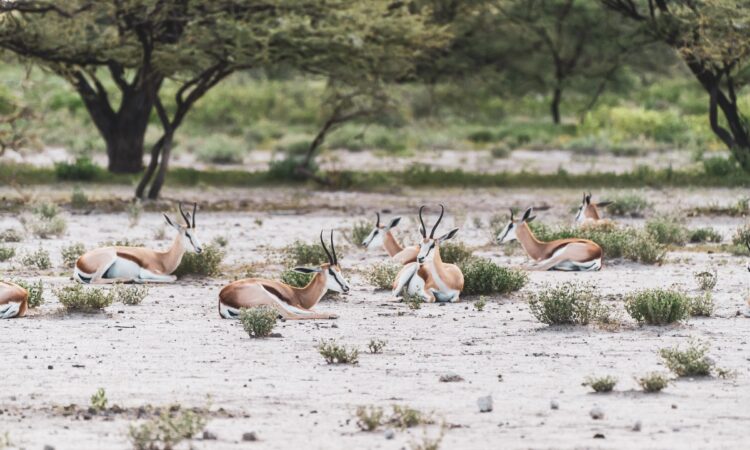
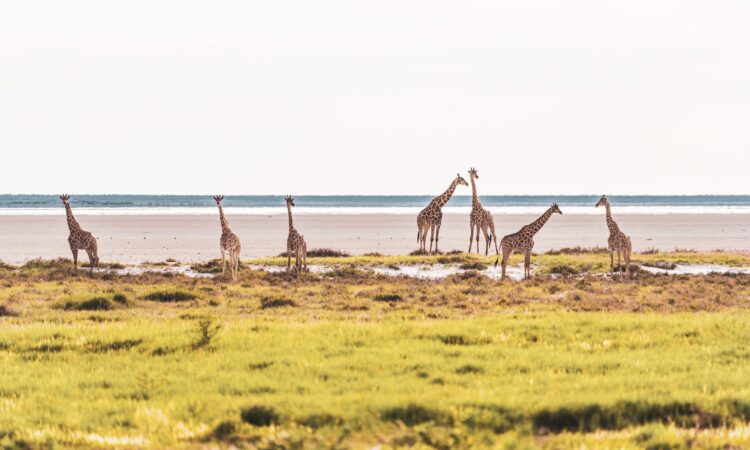
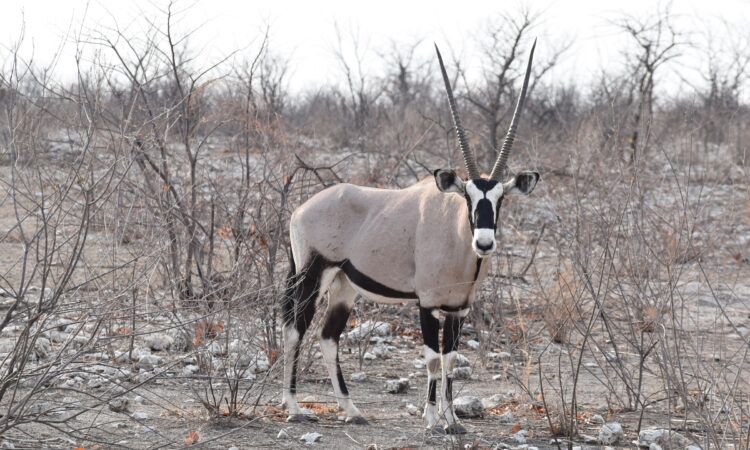
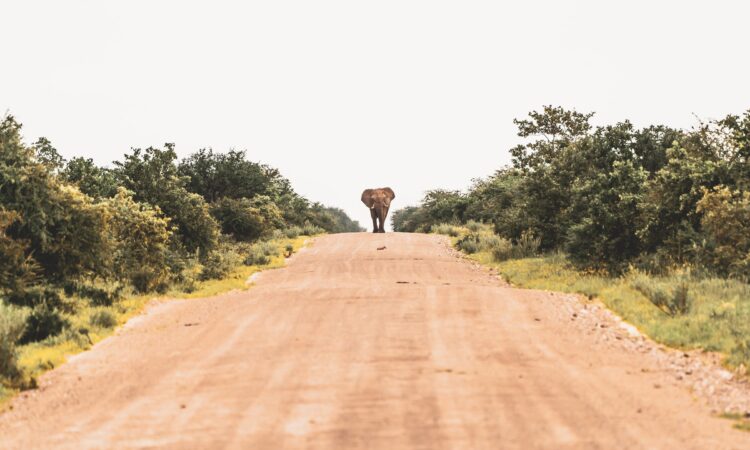
Go on a Namibia Etosha safari to see elephants, lions, giraffes, and rhinos. Choose a self drive or guided game drive to spot wildlife in their natural habitat. Several Etosha safari lodges sit close to the park’s main gates, making early morning game drives easier to plan.
Damaraland
Explore this region’s rock formations, unusual wildlife, and ancient cave paintings.
The Skeleton Coast
Visit Skeleton Coast National Park, a section of coastline known for its marine life, tall sand dunes, and shipwrecks. Skeleton Coast tours run as guided drives or scenic flights to see this remote area.
Kolmanskop
Visit this abandoned diamond mining town, now partly reclaimed by the desert’s shifting sands, making it a popular spot for photographers.
Caprivi Strip (Zambezi Region)
Visit this narrow stretch of land bordered by four rivers in northern Namibia, known for its wetlands and wildlife, and well suited to boat safaris and birdwatching.
Himba Villages
Visit traditional Himba communities to learn about Namibia’s cultural history, including their distinctive style and traditions. Speak with community members to learn more about their way of life.
Namib-Naukluft National Park
Explore Africa’s largest game park, home to species adapted to desert conditions. Hike through the mountains and see the park’s varied scenery.
Twyfelfontein
Visit this UNESCO World Heritage Site, known for its rock engravings and geological formations. A guided tour covers both the natural landscape and the cultural significance of the site.
Cape Cross Seal Reserve
Visit one of the largest colonies of Cape fur seals in the world and see thousands of seals along the beach and in the water.
Waterberg Plateau Park
Visit this sanctuary for threatened species, including cheetahs and rhinos. Go on a game drive, hike the trails, or take in the plateau’s scenery.
Lüderitz
Visit this seaside town known for its colorful houses and German architecture. Try the local seafood and visit nearby Kolmanskop.
NamibRand Nature Reserve
End your trip at this private reserve, known for its landscapes and wildlife. Take a guided walk, drive, or hot air balloon ride to see the desert up close.
Namibia’s landscapes, culture, and sense of adventure make it a country worth exploring, whether you’re after wildlife encounters, active adventures, or wide open views. Book your Namibia safari and start planning your trip today.
Best Time to Visit Namibia
Namibia is a semi-arid country with low humidity and limited rainfall. It’s a year-round destination, though many European travelers avoid the hot summer months from October to February, when temperatures can reach 40°C in some areas.
Seasons in Namibia
The best time to visit is during winter, from June to September, which is also the dry season. There’s little rain or cloud cover during this period, so night skies are especially clear.
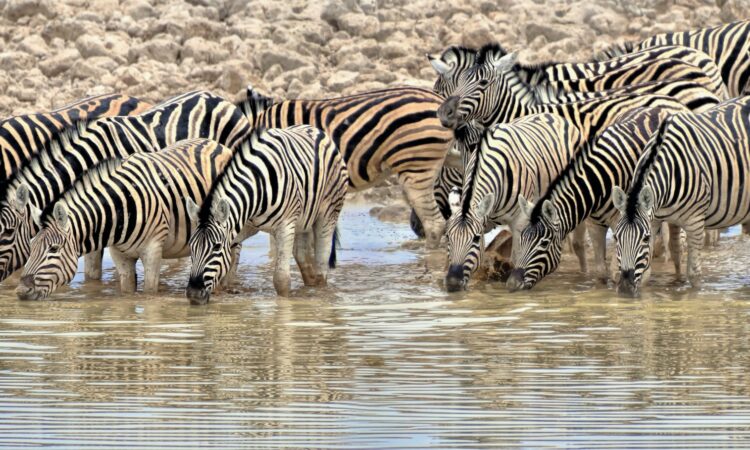
Wildlife is easier to spot during these months too, since there’s less vegetation and animals gather around established waterholes. Daytime highs are more comfortable, typically 20 to 30°C depending on location, with sunny days throughout.
Temperatures drop sharply at night, though. During peak winter (June to August), nighttime lows can reach 5 to 10°C, and can fall below zero in desert and mountain regions.
Given Namibia’s size, only Etosha, Swakopmund, and Sossusvlei see notable crowds during summer. The main downside of visiting during peak season is that lodge rates and visitor numbers tend to be higher.
Climate in Namibia
Rains typically start in late November or early December, turning the countryside green when there’s enough rainfall, and usually end by March or April, though climate change is making these patterns less predictable.
Rain rarely disrupts travel, since it’s localized and usually falls as short, heavy showers in the late afternoon.
This is also when wildlife is breeding, the countryside looks its best, and migratory birds arrive, making it a good season for birding.
That said, wildlife is harder to spot with more vegetation and water available, since animals aren’t limited to waterholes and their movements become less predictable. Gravel roads can also become impassable after heavy rain, which is worth planning around if you’re doing a Namibia road trip or self drive safari.
Generally, Namibia is wetter in the far north and across the Zambezi Region, and hotter and drier in the south. The Zambezi Region and far northeast have a subtropical climate, with an average of about 500mm of rain falling between December and February.
Before the main rains arrive in September and October, humidity and temperatures rise to uncomfortable levels. Even during the rainy season, much of the country still receives very little rainfall.
Rainfall decreases the closer you get to the coast, with some areas receiving less than 15mm a year. The coast itself stays cool for much of the year due to heavy morning fog.
Whichever month you plan your Namibia safari for, from January through December, you’ll still have a good trip. During the hottest months, plan activities for morning and evening, and carry plenty of drinking water.
Namibia Crime Rates and Personal Safety
Namibia is a safe destination, even for solo travelers, though petty crime has increased somewhat in Windhoek and other larger towns.
Staying aware of your surroundings helps avoid most issues. This includes not wearing expensive jewelry or watches, not opening your wallet or bag in public, and keeping your car locked with belongings out of sight when you stop in towns or at gas stations.
If you need to leave your car somewhere without secure parking, park in front of a shop or bank and ask a security guard to keep an eye on it. Keep in mind that you’ll need a police report to file an insurance claim if anything is stolen.
Namibian Culture and Etiquette
As in many parts of Africa, greetings matter in Namibia. Always greet someone and ask how they’re doing before asking a question or a favor, ideally in the local language if you can manage it. A handshake with the right hand is the standard greeting.
Men often use a three-part handshake when greeting each other. Women typically greet men and other women verbally rather than with a handshake. In more traditional rural settings, younger people may show respect to elders with a slight nod, bow, or curtsy.
Dress modestly, especially in rural areas where conservative norms are common. Even in the heat, avoid short or revealing clothing in villages. Men typically wear long shirts and pants, and women cover their knees and shoulders.
In village settings, accept offers of food or drink when given. Eating with your hands is common in rural areas; use your right hand only, since the left hand is considered unclean.
Photography in Namibia
Photography around Himba, Herero, and San communities requires care, since taking pictures can take up a large part of an interaction if not handled respectfully. Some visitors have left quickly after taking photos without asking permission, which has strained relations between tourists and these communities. Some Herero and Himba women now ask for payment before having their photo taken.
Always ask permission first, and only after having a real conversation with the people involved.
Namibia Electricity Guide
Electricity in Namibia runs at 220 volts, using the large three-pin round plug found in South Africa. Bring an adapter with you, since they’re sold at Johannesburg airport and in Windhoek but are hard to find elsewhere in the country.
Insurance for Your Namibian Safari
Full travel, medical, and belongings coverage is strongly recommended, and should include any adventure activities you plan to do. If renting a car for a self drive Namibia safari, consider a standalone excess insurance policy, which is often cheaper than the rental company’s own excess reduction fees.
Internet Access in Namibia
Internet access is available across most of Namibia, even in rural areas, though connections can be slow and inconsistent in many regions. Windhoek and Swakopmund have a few internet cafes, and many hostels and hotels offer computers for guest use.
Wi-Fi is the more common way to get online at lodges, cafes, and shops, though signal is usually limited to the main lodge building and can be weak.
Money in Namibia
The Namibian dollar (N$) has been the official currency since 1993, commonly called the “Nam dollar.” Coins come in 1, 5, and 10 dollar denominations, along with 5, 10, and 50 cent coins. Notes are available in N$10, 20, 50, 100, and 200 denominations.
Hendrik Witbooi appeared on the notes until 2012, when a new, more secure series was introduced, with the 10 and 20 dollar notes featuring Sam Nujoma, Namibia’s first president after independence.
Credit and debit cards, especially Visa and Mastercard, are widely accepted in Windhoek and other large towns. American Express is less commonly accepted. Most mid-range and upscale lodges accept card payments.
Most gas stations still take cash only, though this is starting to change, and many have an ATM on site. ATMs are also common in rural areas, though they can run out of cash or go offline, particularly near month-end or holidays.
Daily withdrawal limits typically range from N$1,500 to N$2,000. Showing your passport at a bank lets you withdraw larger amounts using a credit card.
Carry cash for more remote areas, including smaller denominations. Traveler’s cheques are being phased out but can still be exchanged for cash at banks.
Shopping in Namibia
Most visitors shop for crafts and souvenirs. Since most production happens in the north, consider waiting to shop until you reach the Kunene, Kavango, or Zambezi regions, where more of your purchase goes directly to the artisan. Some shops sell imported crafts from South Africa and elsewhere.
Namcrafts, a well known store with several locations in the capital, labels all its products as “Namcraft” even though not all items are made in Namibia. If provenance matters to you, research the item before buying.
Time in Namibia
Namibia is normally GMT+2. From the first Sunday in April to the first Sunday in September, it switches to GMT+1 for Daylight Saving Time.
Tipping Guide for Namibia Safari Tours
Tipping customs vary, so it’s worth asking locally. A 10% tip is standard in formal restaurants for good service, though there’s no automatic tipping culture. Expect to tip around N$5 per bag for hotel or airport porters.
Similarly, N$5 to N$10 is appropriate for a gas station attendant who fills your tank and checks your oil, tires, and windows, or for anyone watching your car while you’re in town.
At lodges, tip at the end of your stay rather than throughout. Ask staff for guidance on a fair amount, since it depends on group size and whether the lodge is upscale or budget. For a small group, tips generally shouldn’t exceed US$10 per person per day.
Ask if there’s a communal tip box for staff who work behind the scenes, since many earn considerably less than guides. Some lodges rely on tips to make up for low base wages; if you have concerns about this, an online review or direct feedback to management is the most effective way to raise it. Many travelers still choose to tip their guide directly if they’ve been especially helpful.
Traveling With Children on Your Namibia Safari
Traveling with children in Namibia is manageable if they can handle several hours of travel between stops.
Children under 12 typically get a 50% discount at many accommodations, and those under 6 often stay free. Some smaller, upscale lodges built around a quiet atmosphere don’t allow children under 12.
Children’s menus are common at restaurants, and activities like sandboarding and kayaking help keep kids entertained, especially near the coast. Some activities have age or height restrictions, such as ballooning, though these can sometimes be waived with parental permission and supervision.
Given the lack of sidewalks or paved roads outside major towns, a baby carrier works better than a stroller for most of the country. Baby supplies like formula and diapers are available in major towns, but if you’re camping in remote areas, plan to carry used diapers with you until you reach proper disposal.
Breastfeeding is socially accepted in Namibia, though rates have declined somewhat due to concerns about mother-to-child HIV transmission.
Where to Stay in Namibia
Accommodation can seem expensive compared to other parts of Africa, but standards are generally high, and the value is often strong, especially for travelers coming from countries with favorable exchange rates.
Options range from affordable B&Bs and guest farms on private reserves to upscale all-inclusive resorts, tented camps, and basic campsites. Popular choices include the Sossusvlei Desert Lodge in the NamibRand Reserve, Little Kulala near Sossusvlei, and Shipwreck Lodge on the Skeleton Coast, alongside more budget-friendly options like Auas Lodge just outside Windhoek. This mix of lodge safari options means Namibia works for a wide range of travel styles and budgets.
Backpacker hostels are limited outside Windhoek, but public campsites offer an affordable option and support the local area. Self-catering options are also widely available.
Most lodges and guesthouses require check-in after 3pm and check-out by 10am.
Frequently Asked Questions About Namibia Safaris and Tours
How much does a Namibia safari cost?
Namibia safari cost depends on the length of your trip, the season, and whether you choose a self drive, guided, or luxury package. Shorter Etosha safaris cost less than longer trips combining Botswana and Victoria Falls. Contact us for a quote based on your dates and travel style.
What is the best time to visit Namibia?
The dry season, from June to September, is the best time for wildlife viewing in Etosha National Park, since animals gather around waterholes and there’s little rain. Namibia is a year-round destination, but many travelers avoid the hot months from October to February.
What is included in Namibia safari packages?
Most Namibia safari packages include accommodation, guided game drives, and park fees. Longer packages often add internal flights or transfers between regions, since distances in Namibia can be large. Check each package listing for full details.
How many days do I need for a Namibia trip?
A short 3 to 4-day trip covers Etosha National Park on its own. A 7 to 10-day itinerary lets you add Sossusvlei, Swakopmund, or the Skeleton Coast. Longer trips of 12 days or more combine Namibia with Botswana and Victoria Falls.
Can I do a self drive safari in Namibia?
Yes, Namibia is one of the best countries in Africa for a self drive safari, with well maintained gravel roads connecting Windhoek, Etosha, Swakopmund, and Sossusvlei. We also offer guided and group tours with a driver-guide included if you’d rather not drive yourself.
What wildlife will I see in Etosha National Park?
Etosha National Park is home to elephants, lions, giraffes, rhinos, and one of the world’s largest cheetah populations. Desert-adapted elephant and black rhino can also be seen in the surrounding regions. Game drives are best during the dry season, when animals gather at waterholes.
What is the Skeleton Coast known for?
The Skeleton Coast is known for its shipwrecks, tall sand dunes, and marine wildlife along a remote stretch of Namibia’s northern coastline. Skeleton Coast tours run as guided drives or scenic flights, since much of the area is difficult to reach independently.
What is there to do at Sossusvlei and Sesriem?
Sossusvlei is known for its tall red sand dunes, including the popular Dune 45 climb, best done at sunrise. Sesriem is the gateway town to the dunes and a common overnight stop, with camping available for early access before the day gets hot.
Is Namibia good for a beach holiday?
Yes, Namibia is the only country where the desert meets the ocean, and a Sandwich Harbour tour or Sandwich Harbour 4×4 tour out of Walvis Bay is a popular way to see this landscape. It works well as an add-on to a Swakopmund stay.
Can I combine a Namibia safari with Botswana or Victoria Falls?
Yes, combining Namibia with Botswana and Victoria Falls is one of our most popular longer itineraries, typically running 12 to 18 days. These trips usually add Chobe National Park in Botswana before ending at Victoria Falls.
What is the difference between a luxury and budget Namibia safari?
A luxury Namibia safari includes private guides, higher-end lodges, and smaller groups, while a budget safari typically uses self drive travel and simpler campsites or lodges. Both cover the same main parks; the difference is comfort level and cost.
Is Namibia safe to visit?
Yes, Namibia is a safe destination, including for solo travelers, though petty crime has increased somewhat in Windhoek and other larger towns. Basic precautions, like keeping valuables out of sight and locking your car, help avoid most issues.
Can I visit a Himba village on my Namibia trip?
Yes, visiting a Himba community is one of the most distinctive cultural experiences in Namibia. Guides can arrange a respectful visit, and it’s important to ask permission before taking photos of community members.
What currency should I use in Namibia?
The Namibian dollar (N$) is the official currency, though most places also accept South African rand. Credit and debit cards are widely accepted in Windhoek and larger towns, but cash is useful in rural areas and at gas stations.
Are Namibia safaris suitable for families?
Yes, most Namibia safari destinations are family friendly, and many lodges offer discounts for children under 12. Some smaller, upscale lodges don’t allow young children, so let us know if you’re traveling with kids so we can recommend the right accommodation.
What should I pack for a Namibia safari?
Pack light, neutral colored clothing for game drives, along with warm layers for cold desert nights, especially during the June to August winter months. A hat, sunscreen, and good walking shoes are also essential.
Do I need a visa to visit Namibia?
Visa requirements depend on your nationality, with many travelers able to get a visa on arrival or travel visa-free for short stays. Check current requirements with the Namibian Embassy before booking your trip.
What is the best way to see the Namib Desert?
The best way to see the Namib Desert is through a guided or self drive tour to Sossusvlei and Sesriem, combined with a scenic flight or hot air balloon ride for aerial views. Namib Desert tours typically include Dune 45 and the surrounding dry pans.
What are the best lodges in Namibia?
Popular options include the Sossusvlei Desert Lodge in the NamibRand Reserve, Little Kulala near Sossusvlei, and Shipwreck Lodge on the Skeleton Coast, along with more affordable choices like Auas Lodge near Windhoek. Tell us your budget and preferred region, and we’ll recommend the right lodge for your trip.
How do I book a Namibia safari?
Browse our Namibia safari packages above and request a price for the itinerary that fits your dates and budget. If you’d rather build a custom trip, contact one of our Namibia travel specialists and we’ll put together an itinerary based on your interests.