Ultimate Guide for Booking Zimbabwe Safari Tours
Zimbabwe is regaining stability after a difficult decade, and more travelers are returning each year for Zimbabwe safaris and tours. The country rewards visitors with natural wonders, friendly people, deep history, and pleasant weather year round, making it one of the best safari destinations in Africa to visit.
Victoria Falls is the highlight of any Zimbabwe safari or Victoria Falls tour. This waterfall is the largest in the world by width and sits on the border between Zimbabwe and Zambia. Watching the water crash down is a once in a lifetime experience worth booking a trip for.
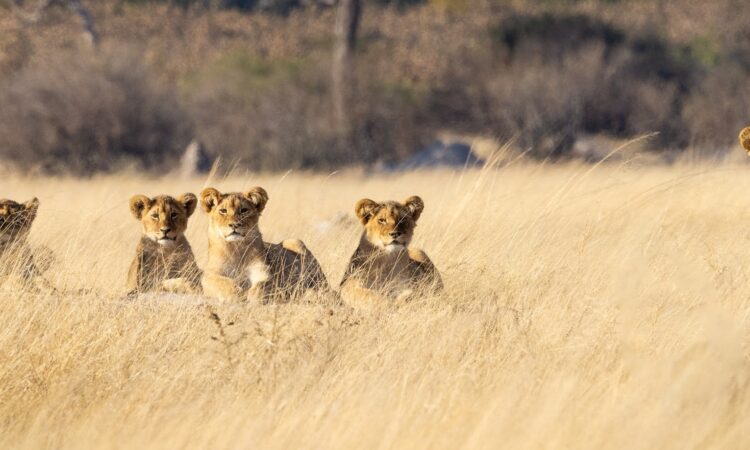
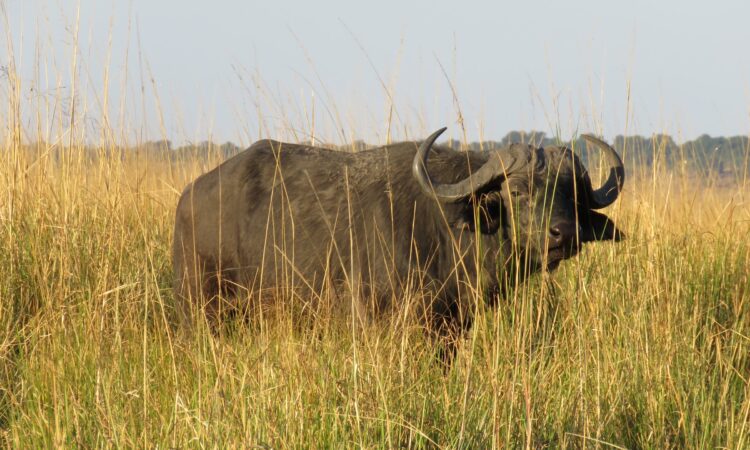
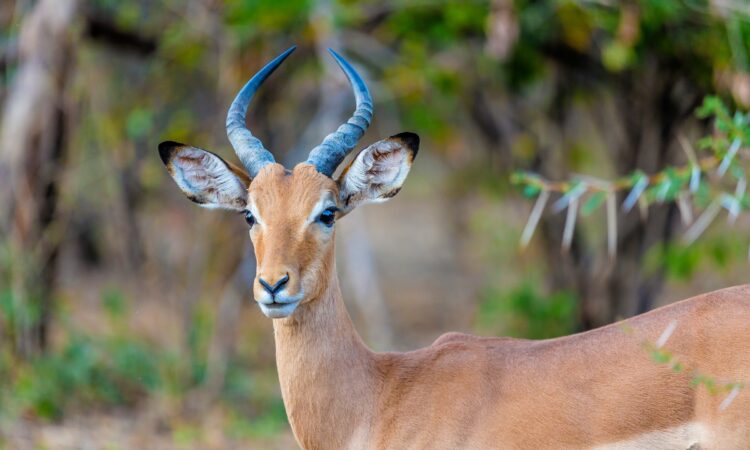
Beyond Victoria Falls, Zimbabwe holds some of the best wildlife safaris in southern Africa. The country covers everything from the sun drenched grasslands of Hwange National Park to the forested slopes of the Eastern Highlands, and it’s home to the Big Five: elephant, rhino, leopard, buffalo, and lion.
Protected parks and wildlife areas cover about 11% of Zimbabwe’s land, alongside major cities. Bulawayo and Harare, the two largest cities, offer good restaurants, bars, and cultural sites. Between them sit the Great Zimbabwe ruins, stone structures from the late Iron Age that prove sub-Saharan Africa had great civilizations of its own.
Zimbabwe still faces economic challenges. Poverty rates remain high, and the government has limited funds to address HIV, which affects roughly one in four citizens. Roadblocks and corruption can slow cross country travel. Even so, Zimbabwe remains a peaceful country, and its people rely on tourism to help build the country’s future. Book a Zimbabwe safari and be part of that.
History & Economy
The Great Zimbabwe ruins, which gave the country its name, mark an extraordinary past. This landlocked nation was once the center of a large trading empire linked to Africa’s east coast. The Khoisan people were the first inhabitants and left rock art across the region.
Migrant farmers from West Africa arrived in the 9th century and became the ancestors of the Shona people, who built Great Zimbabwe. The Ndebele people arrived later, in the 19th century, after leaving Zululand during unrest in South Africa. Following British colonial rule, the country was known as Rhodesia through most of the 20th century. A long liberation struggle followed, and Zimbabwe gained independence in 1980.
Zimbabwe has strong natural resources, an educated population, and solid infrastructure. Its economy runs on tourism, mineral exports, and agriculture, especially tobacco. The country also holds some of the world’s largest diamond and platinum reserves.
People & Culture
Of Zimbabwe’s 12 million people, over 70% speak Shona and about 20% speak Ndebele. English is the official language and is widely spoken. Despite recent economic struggles, visitors often notice the warmth of the people. Religion plays a large role in daily life, with about 85% of the population identifying as Christian and most attending church regularly.
Zimbabwe has a strong cultural heritage, with writers, musicians, and artists who’ve earned international recognition. The country is best known for its sculptors, especially the stylized human and bird forms carved from serpentine, soapstone, and verdite.
Landscape & Wildlife
Zimbabwe’s eastern border with Mozambique is mountainous and forested, while most of the country sits on the elevated central plateau of Southern Africa, covered in open woodland, farmland, and savannah. The lower, hotter southern lowveld makes up a large part of the country, while the Zambezi River and Lake Kariba define the north, with Victoria Falls in the northwest.
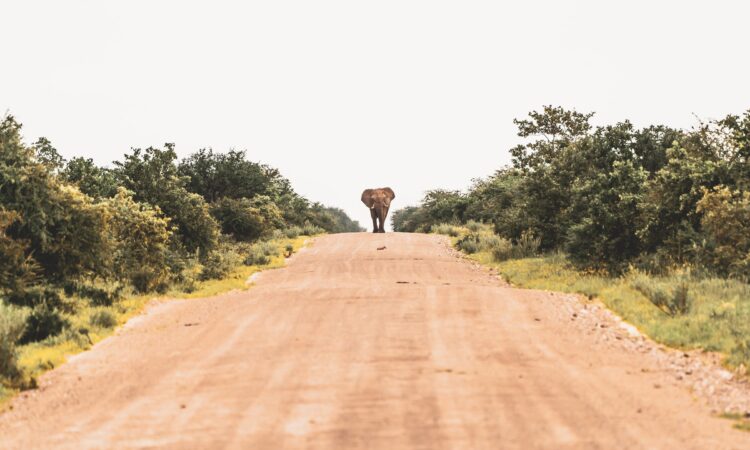
This range of landscapes supports high biodiversity, and Zimbabwe has a long track record of protecting its wildlife. Hwange National Park is the flagship reserve for wildlife safaris in Zimbabwe, home to the Big Five and some of Africa’s largest elephant populations. Mana Pools and Matusadona National Parks, along the Zambezi River, are also great spots for wildlife viewing.
Highlights include canoe and walking safaris at Mana Pools, strong predator sightings and dry season game viewing at Hwange, and birding at Malilangwe Wildlife Reserve and Gonarezhou National Park in the country’s quieter south. A walking safari in Zimbabwe puts you closer to the wildlife than a vehicle ever can, and it’s one of the best ways to experience Hwange and Mana Pools on foot with an armed guide.
Ask one of our Africa safari experts about tipping guidelines before you book your trip.
Places to Visit in Zimbabwe: Top 10 Destinations
Victoria Falls
Victoria Falls is the top destination in Zimbabwe and the starting point for most Victoria Falls tours. The falls sit inside Victoria Falls National Park, which is rich in wildlife. A forested walking trail runs along the edge of the falls, with several viewpoints, though be ready to get wet from the spray. Victoria Falls is also Zimbabwe’s adventure hub, with tours from Victoria Falls covering everything from white water rafting to bridge walks. For an aerial view, book a microlight flight or a helicopter ride over the falls, or try the canopy tour zip lines through the gorge for a different angle on the falls. Thrill seekers can also book the Devil’s Pool tour from Zimbabwe, a guided swim right at the edge of the falls during the low water season, or the bungee jump off Victoria Falls Bridge. Book a Victoria Falls safari to combine wildlife and adventure in one trip.
Hwange National Park
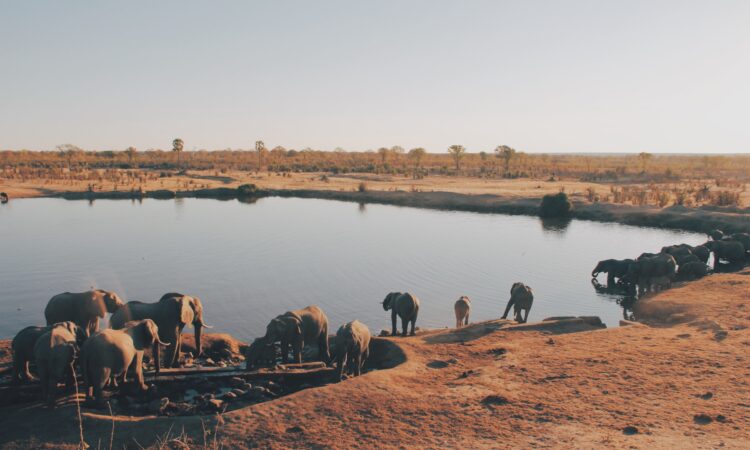
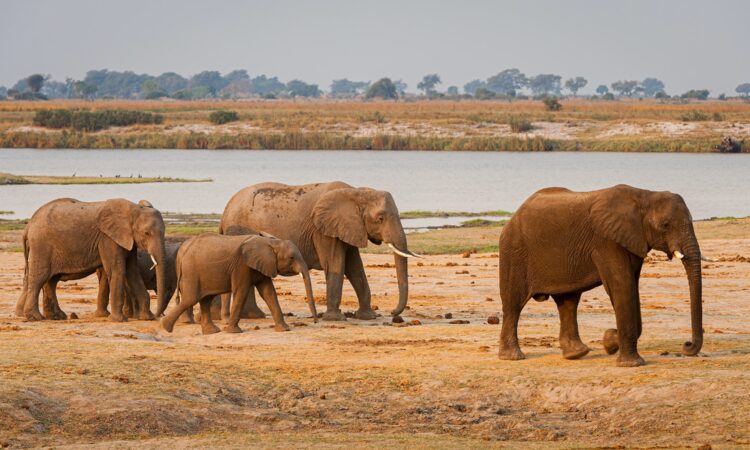
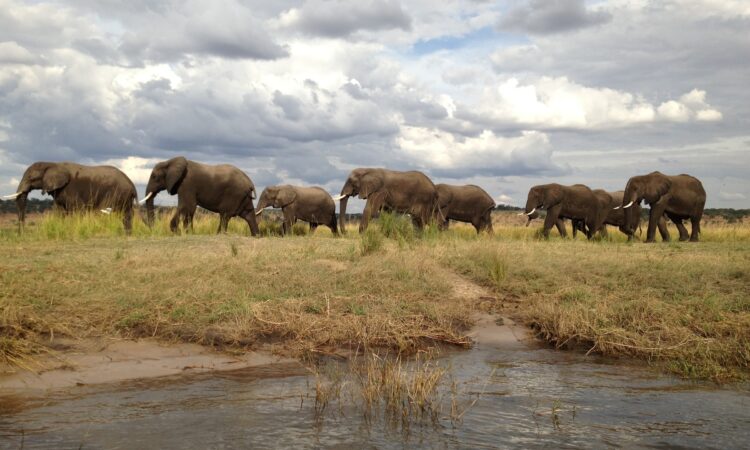
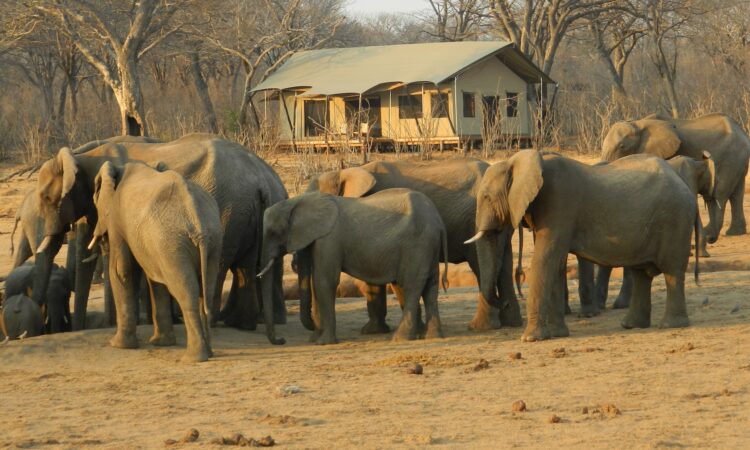
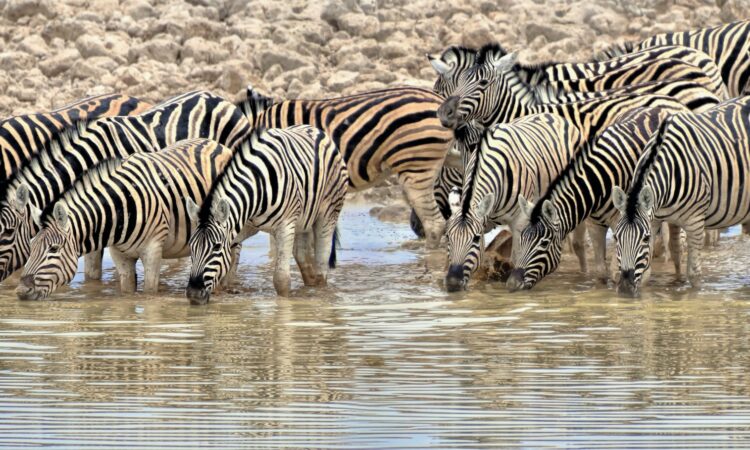
Hwange is Zimbabwe’s largest national park and one of the best wildlife destinations in Africa. It holds over 40,000 elephants, making it one of the best places in the world to see them. The park also has large herds of buffalo, zebra, and giraffe, along with predators like cheetah, hyena, leopard, and wild dog, plus more than 400 bird species. A Hwange safari lodge stay puts you close to the action, with public and private camps offering wildlife viewing around the clock. Hwange sits on the main road between Bulawayo and Victoria Falls, which makes a Hwange day trip from Victoria Falls an easy add-on if you’re short on time, and it’s quieter than many other well known reserves, which makes it a great pick for travelers who want a Hwange safari off the beaten path.
Gweru
Gweru is Zimbabwe’s fifth largest city and the capital of Midlands Province, located in the center of the country. Surrounded by farmland and cattle country, it works as an industrial, commercial, and agricultural hub. Gweru’s main draw is Antelope Park, home to the ALERT lion rehabilitation program, featured in the UK documentary series “Lion Country.”
Great Zimbabwe
Great Zimbabwe is a complex of ruins covering about 1,800 acres, built by the ancestors of modern day Zimbabweans. Built between the 13th and 14th centuries, it served as the center of the Munhumutapa kingdom. The site has three main sections: the Great Enclosure, the Valley Complex, and the Hill Complex. Builders stacked rectangular granite stones without mortar, and the structures have lasted seven centuries. Part of the wall stretches 60 meters long, up to 6 meters thick, and 12 meters high.
Harare
Harare is the gateway to Zimbabwe’s wildlife areas and worth a stop on its own. The city has a relaxed atmosphere with plenty to see. Alongside its skyscrapers, Harare has green spaces, including the Botanical Garden, home to 900 tree and shrub species. Visit in September or October to see the jacaranda trees in bloom. The National Gallery shows Zimbabwean handicrafts, and Kopje, a granite hill in the city center, offers wide views for photos.
Matobo National Park
Matobo National Park is considered Zimbabwe’s spiritual home and holds the largest concentration of ancient rock art in Southern Africa, alongside wildlife including the country’s highest numbers of white and black rhino. Some rock art sites date back 13,000 years. The park’s balancing rock formations, granite boulders stacked on top of each other, formed from lava flows roughly 2,000 million years ago. Local communities still treat the Matobo Hills as sacred ground. The park sits on the route between Hwange and Victoria Falls, making it an easy stop.
Lake Kariba
Lake Kariba is one of the largest artificial lakes in the world, fed by the Zambezi River. It covers a surface area of around 5,580 square kilometers and holds about 180 billion tons of water. The lake’s largest island supports the Big Five, along with birds, crocodiles, hippos, and impala. Travelers who make the trip out to this remote destination can take a houseboat or motorboat safari to see wildlife on the water, or book one of the Kariba holiday packages that combine a few nights on a houseboat with a game drive on shore.
Bulawayo
Bulawayo is one of Zimbabwe’s most charming cities, and the country’s second largest. Founded in the 1840s by Ndebele king Lobengula Khumalo, it was colonized in 1894 and still has strong colonial era architecture along its tree lined streets. Visit the Bulawayo Railway Museum to learn about the country’s rail history, the Natural History Museum, the largest in Zimbabwe, plus several galleries and a historic church. Bulawayo is a great stop for culture and a slower pace.
Mana Pools National Park
Mana Pools is one of Zimbabwe’s quieter parks, thanks to its remote location, but it delivers close up wildlife encounters. The name comes from the Shona word for “four,” referring to the four inland pools left behind by old oxbow lakes. Along the Lower Zambezi, lions, zebra, leopard, cheetah, and elephant gather to drink, making for great photo opportunities. Walking safaris are a highlight here, and while there’s an element of risk, it’s part of what makes Mana Pools special. A Zambezi river cruise is also a relaxed way to see wildlife from the water at sunset.
Mutare
Mutare is Zimbabwe’s fourth largest city, set in the foothills of the Eastern Highlands near the Bvumba Mountains. It has a relaxed, rural feel, sitting in a valley surrounded by green hills. The name Mutare means “metal,” tied to the city’s history as a fort during the gold rush in the nearby Penhalonga Valley, where the Mutare River was once used for gold panning. Visit the Mutare Museum and Murahwa Hill, known for its Iron Age settlement and rock art.
Planning Your Zimbabwe Safari: Cost, Lodges & Itineraries
Zimbabwe safari cost varies widely depending on the season, the length of your trip, and whether you choose a luxury safari camp or a more affordable safari lodge. Budget-friendly Zimbabwe tour packages typically combine national park stays with shared game drives, while luxury safari camps in Zimbabwe offer private guides, higher-end lodges, and smaller groups. Most Zimbabwe safari holidays run from 3 to 18 days, and a good Zimbabwe itinerary usually pairs Victoria Falls with at least one national park, most commonly Hwange, plus an optional extension to Botswana, Zambia, or Namibia. Some travelers also add on a Zanzibar holiday from Zimbabwe at the end of their trip for a few days on the coast. Talk to one of our Zimbabwe travel agencies specialists to build an itinerary and get a cost estimate that fits your budget and travel dates.
Travel Advice
Passport Validity Requirements
Your passport needs three blank pages in case you need to leave Zimbabwe quickly or travel through a neighboring country. It must also stay valid for at least six months after your arrival date. Check that your passport and travel documents meet your tour operator’s requirements, and renew your passport if needed. You won’t be allowed entry if your passport is reported lost or stolen, or if you don’t have a valid travel document.
Applying for a Visa
Most travelers get a visa on arrival at the airport. Bring US dollars in small bills to cover the visa fee; check the Zimbabwean Embassy website for current costs. You can also apply for an e-visa before your trip. The Zimbabwean Embassy in London no longer issues visas. Zimbabwe typically issues 30-day visas, so confirm your visa covers your full trip length. To extend or renew a visa, visit the Government of Zimbabwe’s Immigration Department in person. If you’re staying longer for work, study, or business, check the Zimbabwean government’s official portal for the right visa or work permit. Volunteers and missionaries need a temporary work permit.
Money & Spending
Zimbabwe uses the US dollar as its main currency. Cash is essential here, since ATMs and banks aren’t always reliable. Traveler’s checks and credit or debit cards aren’t widely accepted and often come with high fees.
Tipping
Small bills are hard to come by in Zimbabwe, so bring small denomination notes. Tipping guides and lodge staff for good service is common, but check your bill first, since a service charge may already be included.
What to Pack
Casual, relaxed clothing works year round in Zimbabwe. Pack light, neutral colors for your safari (skip white, since it gets dirty fast), comfortable walking shoes, and a warm jacket or fleece for evening game drives.
Flights & Getting Around
Flying into Harare usually means connecting through Johannesburg, since direct international flights are limited. Harare International Airport mainly serves as a gateway to Victoria Falls. Victoria Falls International Airport is the main hub for Victoria Falls, Hwange, and the Zambezi Valley, with easy connections to Botswana and beyond. Game drives in Zimbabwe typically use open sided 4×4 vehicles, and road transfers run in minibuses. Light aircraft charters are an option for reaching more remote areas.
Taking Money Into and Out of Zimbabwe
You can’t take more than $10,000 in US dollars (or the equivalent) out of Zimbabwe unless it’s money you brought in and declared on arrival. Keep your declaration proof to avoid issues when you leave.
Water Rationing and Blackouts
Power shortages cause frequent, long blackouts, which can affect traffic lights. Some areas also ration water. Check with your hotel or tour operator for current conditions.
Landlines and Mobile Networks
Both landline and mobile networks in Zimbabwe can be unreliable.
Crime
Crime rates in Zimbabwe are moderate, and solo travelers face slightly higher risk. Pickpocketing, mugging, and jewelry theft happen in urban areas, especially after midnight, often in poorly lit areas. Be careful near banks and ATMs, and avoid carrying or showing large amounts of cash in public. Armed robberies targeting foreign visitors happen occasionally, so make sure your accommodation is secure.
Illegal Drugs and Prison Sentences
Zimbabwe has strict drug laws, and possession, use, or trafficking can lead to heavy fines or prison time.
Money
Zimbabwe’s economy remains unstable, and both US dollars and Zimbabwean currency are in use, though this can change. You can’t legally exchange foreign currency outside authorized dealers like banks or bureaux de change. ATM withdrawals with foreign cards aren’t always possible due to cash shortages, and small bills are hard to find, so bring them with you. Check payment methods accepted at restaurants, hotels, and tour operators before you go, since not everyone takes cards, including some healthcare providers. Most vendors prefer US dollars in cash. Since both currencies use the $ sign, confirm whether a price is in US or Zimbabwean dollars before paying, and check exchange rates beforehand since they shift often. When paying by card, mention that it’s an international card to avoid overcharging, and double check the currency charged. International transfers into Zimbabwe from abroad can also be difficult.
Using Cameras and Binoculars in Secure Areas
You need permission from the Ministry of Information to photograph government buildings, airports, military sites, embassies, and other sensitive locations. Photographing protesters, demonstrations, or armed forces personnel is also illegal, and these rules are enforced strictly. Importing or possessing pornographic material is prohibited.
Wildlife, Animal Products and Souvenirs
Buying, selling, killing, capturing, or trading protected wildlife or animal parts without a license is illegal, with penalties of up to nine years in prison.
Road Travel
A foreign driver’s license is valid in Zimbabwe for up to a year. Carry a copy of your visa and passport photo page in the car, and keep the originals somewhere safe. Be ready to show ID if asked. Follow police signals and stop at toll booths. If you’re fined, always ask for a receipt. Road safety standards in Zimbabwe are low, and traffic accidents are a leading cause of injury and death. Watch for deep potholes, broken traffic lights, poorly lit vehicles (especially trucks and bicycles), unlit roads, and livestock or people on the road. Emergency response and ambulance services can be slow. To stay safe: wear a seatbelt, lock your doors, avoid driving outside major cities at night, drive carefully on intercity roads, carry a full medical kit, and take care pulling into laybys.
Bus Travel
Commuter minibuses, known as combis, are often overcrowded, uninsured, and driven carelessly. Avoid them where possible. Larger intercity buses can also have safety issues, and nighttime long-distance bus accidents happen. Hotel taxis are generally a safer choice, and large hotels usually have their own fleet.
Rail Travel
Zimbabwe’s rail network is poorly maintained, and level crossings are often unmarked, leading to accidents. Passenger services aren’t currently running. Contact Zimbabwe’s National Railways for updates.
Flooding
Rainy season runs from November to April. Heavy rains can make some roads impassable.
Rural Areas
Some commercial farms still face land disputes, occasionally with violence. Use caution in unfamiliar farming areas.
Mining Areas
The Marange diamond mining area has entry restrictions. If told you can’t enter an area, turn around. Car robberies and assaults on occupants have occurred near Beitbridge.
Healthcare Facilities in Zimbabwe
Healthcare quality varies widely and can be limited outside major cities. Hospitals may lack staff and supplies for some illnesses and trauma cases, and fuel shortages can slow emergency response. Private clinics often require large cash payments before treating emergencies, even with travel insurance, and many only accept US dollars in cash, not cards. Medical costs can add up quickly, especially for medical evacuation, so make sure you have enough travel health insurance and available funds to cover care and return transport.
Frequently Asked Questions About Zimbabwe Safaris and Tours
How much does a Zimbabwe safari cost?
Zimbabwe safari cost depends on the length of your trip, the season, and whether you choose a budget lodge or a luxury safari camp. Shorter Hwange or Victoria Falls trips cost less than longer multi-country itineraries. Contact us for a quote based on your dates and preferred style of travel.
What is the best time to book a Zimbabwe safari?
The dry season, from May to October, gives the best wildlife viewing at Hwange National Park and along the Zambezi, since animals gather near water sources. Victoria Falls has the strongest water flow from March to May. Book early for peak months, as lodges fill up fast.
What is included in Zimbabwe safari packages?
Most Zimbabwe safari packages include accommodation, meals, park fees, and guided game drives. Some also cover airport transfers, Victoria Falls tours, and internal flights between destinations. Check each package for full details, or ask us to build a custom itinerary.
How many days do I need for a Zimbabwe trip?
A good Zimbabwe itinerary runs 5 to 7 days if you want to combine Victoria Falls with a Hwange National Park safari. Longer trips of 10 days or more let you add Lake Kariba, Mana Pools, or a Zambia or Botswana extension. Book a 3-day option if you only have time for Victoria Falls and a short safari.
Can I visit Victoria Falls and go on safari in the same trip?
Yes. Victoria Falls sits close to Hwange National Park, so combining a Victoria Falls tour with a safari is one of the most popular ways to see Zimbabwe. Many of our packages pair a few nights at the falls with a Hwange or Chobe safari extension. Book this combination for the best of both.
What wildlife will I see on a Hwange National Park safari?
Hwange National Park is home to over 40,000 elephants, along with buffalo, zebra, giraffe, and predators like lion, leopard, cheetah, hyena, and wild dog. It’s one of the best places in Africa to see large elephant herds, especially during the dry season when animals gather at waterholes.
What is a Hwange day trip from Victoria Falls?
A Hwange day trip from Victoria Falls lets you fit in a game drive without changing lodges. You leave Victoria Falls in the morning, spend the day on safari in Hwange National Park, and return the same evening. It’s a good option if your schedule is tight but you still want to see the park.
What is the Devil’s Pool tour and is it safe?
The Devil’s Pool tour takes you to a natural rock pool right at the edge of Victoria Falls, where you can swim with a guide during the low water season, usually from August to December. It’s a supervised activity with safety guides present at all times. Book ahead, as spots fill quickly during peak season.
What is a canopy tour at Victoria Falls?
The canopy tour at Victoria Falls is a zip line course through the gorge next to the falls, giving you a different view of the water and surrounding forest. It suits travelers who want an active add-on to their Victoria Falls tour without committing to a full day of adventure activities.
Can I book helicopter rides over Victoria Falls?
Yes, helicopter rides over Victoria Falls, known locally as the Flight of Angels, run in short 12 or 25-minute options from the Zimbabwe side. They give you a full aerial view of the falls and surrounding gorge. Book this as an add-on to any Victoria Falls tour.
What is the difference between a luxury and an affordable safari in Zimbabwe?
A luxury safari in Zimbabwe usually means private guides, smaller groups, and higher-end lodges with more amenities. An affordable safari typically uses shared game drives and simpler camps, but still covers the same national parks. Both options can include Hwange and Victoria Falls; the choice comes down to budget and the level of comfort you want.
What is a walking safari and where can I do one in Zimbabwe?
A walking safari in Zimbabwe puts you on foot with an armed guide, tracking wildlife at a slower pace than a vehicle safari. Mana Pools National Park is one of the best places for this, along with parts of Hwange. It’s a good option if you want a closer, quieter wildlife experience.
What holiday packages are available for Lake Kariba?
Kariba holiday packages typically include a few nights on a houseboat, with game viewing from the water and stops for fishing or shore excursions. Lake Kariba is one of the largest artificial lakes in the world, and its wildlife-rich islands make it a relaxed alternative to a traditional land safari.
Can I add Zanzibar to my Zimbabwe trip?
Yes, many travelers combine a Zimbabwe safari with a Zanzibar holiday for a beach stay at the end of their trip. This pairing works well if you want wildlife and adventure first, followed by a few relaxed days on the coast. Ask us about flight connections when booking a combined itinerary.
What documents do I need to visit Zimbabwe?
Your passport needs at least six months of validity from your arrival date and three blank pages. Most travelers get a visa on arrival at the airport, paid in US dollars, or apply for an e-visa in advance. Check current requirements with the Zimbabwean Embassy before you travel.
What currency should I use for my Zimbabwe trip?
The US dollar is the main currency used in Zimbabwe. Cash is important, since ATMs and card payments aren’t always reliable, and small bills are useful since change can be hard to find. Bring enough cash to cover your visa fee, tips, and daily expenses.
How do I choose the best safari lodge in Zimbabwe?
The best safari lodge for your trip depends on your budget, preferred park, and travel style. Hwange safari lodges tend to focus on elephant viewing, while Victoria Falls safari lodges give you easy access to the falls and adventure activities. Tell us your priorities and we’ll match you with the right lodge.
Is a Zambezi river cruise worth adding to my safari?
A Zambezi river cruise is a relaxed way to see wildlife such as hippos, crocodiles, and elephants coming down to drink, especially at sunset. It’s a good lower-key addition to a Victoria Falls or Mana Pools itinerary and works well as an evening activity after a day of game drives.
What other places should I visit in Zimbabwe besides Victoria Falls and Hwange?
Beyond Victoria Falls and Hwange, worthwhile places to visit in Zimbabwe include the Great Zimbabwe ruins, Matobo National Park for rock art and rhino tracking, Lake Kariba for houseboat safaris, and Bulawayo or Harare for culture and city stops. A longer itinerary can fit in two or three of these alongside your main safari.
How do I book a Zimbabwe safari or tour?
Browse our Zimbabwe safari packages above, pick the itinerary that fits your dates and budget, and request a price to get started. If you’d rather build a custom trip, contact one of our Zimbabwe travel specialists and we’ll put together an itinerary based on your interests.
Book your Zimbabwe safari or tour today, and we’ll handle the details, from permits to transport, so you can focus on the trip itself.