Explore African Safaris by Country
Explore African safari packages by country below.
Explore African safari packages by country below.
African safari holidays offer something for every kind of traveler: honeymooners, solo travelers, families, students on educational tours, researchers, and group tourists. Whether you’re after Kenya safari tours, a Tanzania safari, a Namibia safari, or a Botswana safari, there is a package to match.
African safari lodges sit deep in the wilderness and offer high-quality rooms and service, so your stay stays comfortable even far from the city.
Book your African safari holiday today and start planning the trip that fits your travel style.
A few things to prepare before you go:
East Africa gives every traveler a reason to book a trip. Top countries include Kenya, Rwanda (the land of a thousand hills), Tanzania, Uganda (the pearl of Africa), and the Democratic Republic of Congo.
Each country offers a different experience. You can see wild animals in parks like Queen Elizabeth National Park, Serengeti National Park, and Masai Mara National Park.
Serengeti National Park in Tanzania and Masai Mara National Park in Kenya are top picks from June to September, when wildebeests and zebras migrate from Tanzania to Kenya in search of fresh grass. The Mara River crossing is a highlight, with crocodiles and lions waiting nearby.
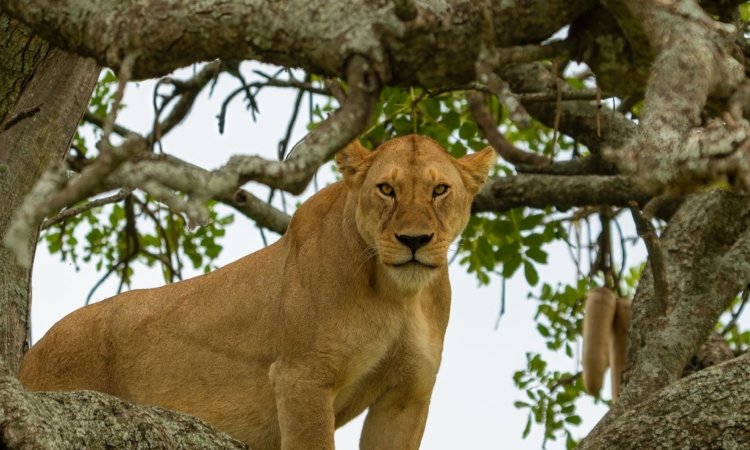
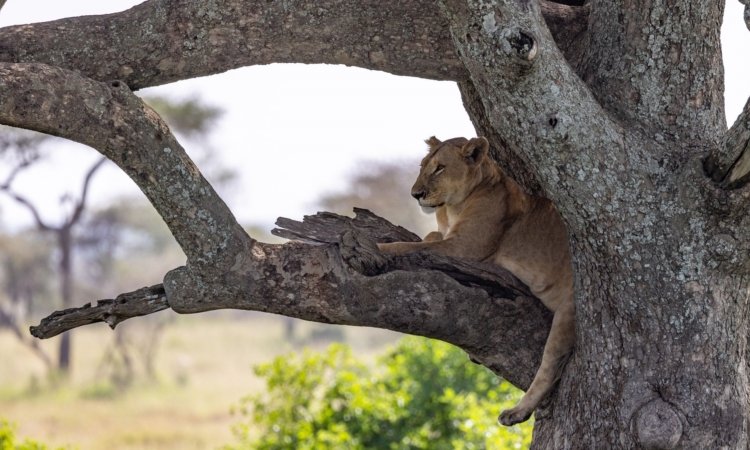
You can also see tree-climbing lions and large elephant herds in Tarangire National Park in Tanzania, wildebeest crossings at the Maasai Mara Triangle, and cheetahs on the plains.
Kenya safari packages often include Amboseli National Park, Tsavo East National Park, and Samburu Reserve, along with Lake Naivasha and Lake Nakuru, both known for flamingos and rhino sightings.
Beyond the migration, East Africa offers birdwatching, nature walks, hiking, and canopy walks in Rwanda. The Virunga Ranges stretch across three countries and are worth the visit.
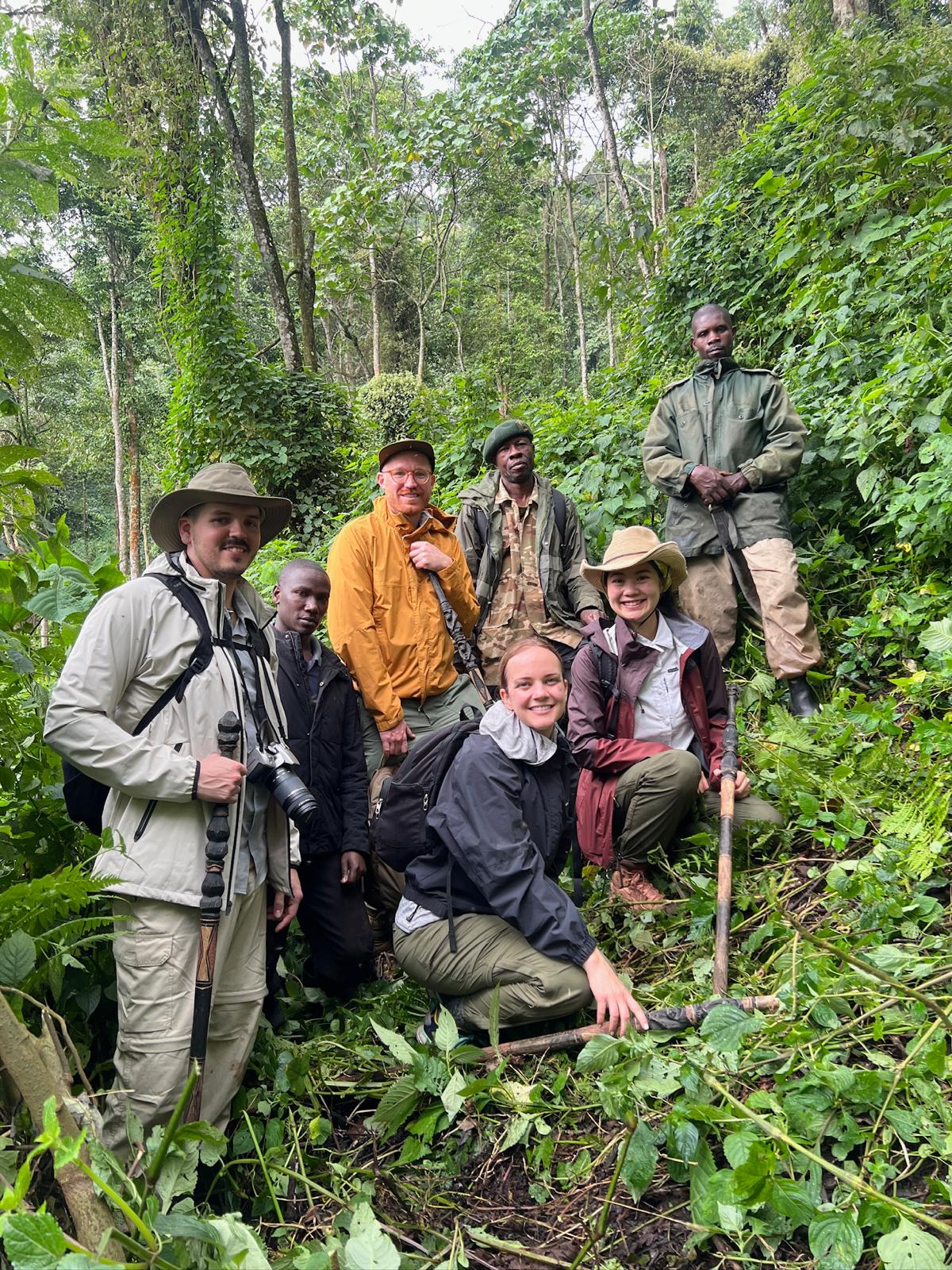
Gorilla and chimpanzee trekking are available in Virunga National Park, Bwindi National Park, Kahuzi-Biega National Park, and Volcanoes National Park.
Direct flights to Rwanda or to Jomo Kenyatta Airport in Kenya make the trip simple. Africa is a safe destination with welcoming people and good service throughout.
Book your East Africa safari and reserve your trekking permits early, since spots fill up fast in peak season.
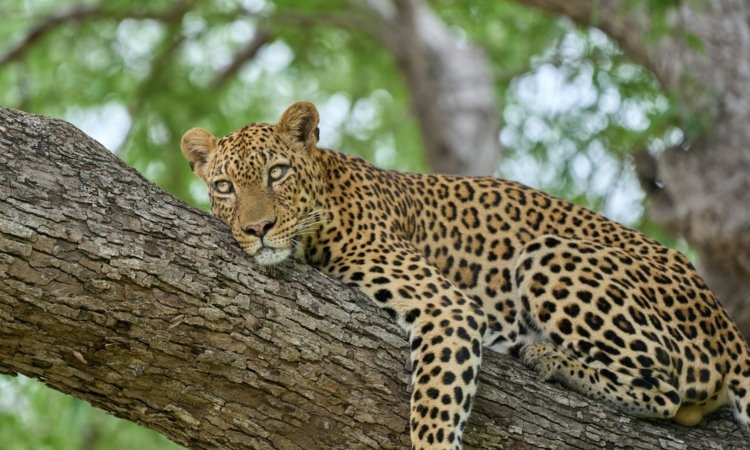
Africa is home to the African Big 5: lion, elephant, leopard, buffalo, and rhino. You can see them on safari in parks like Serengeti National Park in Tanzania and Kruger National Park in South Africa.
Africa has more than 3,000 tribes, each with its own language, art, dance, and music. A cultural tour is a great add-on to your safari. Well-known tribes include the Maasai of Kenya and Tanzania, the San of the Kalahari, and the Zulu of South Africa.
Travelers often mention how welcoming people in Africa are. Locals share their traditions through storytelling, dance, songs, and crafts.
Africa offers mountains, lowlands, grasslands, deserts, and coastlines. Highlights include the Serengeti Plains, Victoria Falls, the Ngorongoro Crater, the Namib Desert, and Table Mountain.
Some countries protect rare species found only in the wild, such as mountain gorillas in Uganda, Rwanda, and the Democratic Republic of Congo. On safari, you can learn how local teams protect endangered animals like rhinos and chimpanzees.
Africa holds several natural records:
Africa’s coastline includes white sand beaches for post-safari relaxation. Top spots include Zanzibar, Seychelles, Cape Town, and Cape Verde.
Mount Kilimanjaro, in northern Tanzania, is the highest mountain in Africa and part of the Seven Summits. It’s the easiest of the seven to climb, and a Mount Kilimanjaro climb draws hikers from around the world. Mount Kenya is the second highest peak on the continent, with the Mount Kenya Safari Lodge a popular base nearby, and Rwenzori Mountain in Uganda is Africa’s highest block mountain.
Africa’s history includes ancient rock art, the ruins of Great Zimbabwe, and colonial sites like Stone Town in Zanzibar.
Add camping, spice tasting, local food, and city visits to round out your trip. Africa is a good destination in every season.
Book the safari type that matches your travel style and budget.
Research and plan ahead. Check visa requirements, health precautions, and local customs before you go. Plan early, but stay flexible.
Health precautions. Talk to your doctor about vaccines and medicine for the areas you plan to visit. Pack a small first aid kit, your medicines, water purification tablets, hand sanitizer, and insect repellent.
Travel insurance. Buy insurance that covers medical emergencies, evacuation, trip cancellations, and lost belongings. Keep your policy details and emergency contacts with you.
Currency and payments. US dollars are accepted in many tourist areas. Learn the local currency and exchange rate, and carry some cash since not all places take cards.
Personal safety. Stay informed about the areas you’re visiting. Keep valuables out of sight in public and use your hotel or lodge safe for passports and documents. Avoid carrying large amounts of cash.
Local customs. Learn local customs to show respect. Dress modestly in conservative areas and ask before photographing people.
What to pack. Neutral-colored clothes for safaris, light clothing for hot areas, and layers for cold mornings and evenings. Bring a hat, sunglasses, sunscreen, and a reusable water bottle.
Communication. English is widely spoken in many African countries, but locals appreciate a few basic phrases in the local language. Buy a local SIM card, since internet access can be limited in remote parks.
Safety on safari. Follow your guide’s instructions and park rules. Stay in the vehicle during game drives, keep a safe distance from animals, and never feed them.
Responsible tourism. Respect the environment and local communities. Avoid leaving waste behind, and support tourism that helps protect wildlife and nature.
Mount Kilimanjaro, Tanzania. Africa’s highest mountain, with Uhuru Peak at 5,895 meters. It’s the world’s tallest free-standing mountain and part of the Seven Summits. No special climbing skills are needed to reach the summit. Shorter hikes through rainforest and past waterfalls are also available.
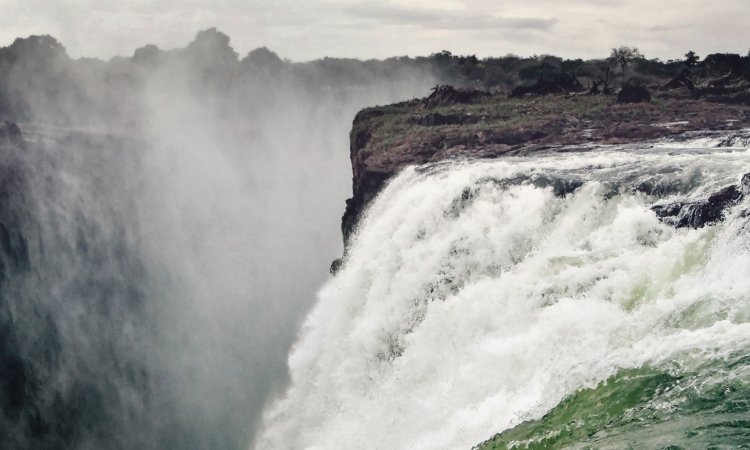
Victoria Falls, Zimbabwe and Zambia. One of the world’s most famous waterfalls, on the Zambezi River. During the wet season, the falls create a heavy mist and you may get wet on a visit. The Zimbabwe side offers the best views. On the Zambian side, visitors can swim in Devil’s Pool at the top of the falls.
Serengeti National Park, Tanzania, and Masai Mara National Reserve, Kenya. These parks host the annual wildebeest migration. Millions of wildebeests, zebras, gazelles, and antelopes move across the Serengeti-Mara ecosystem each year. The Mara River crossing peaks from June to September, but the migration continues year-round through calving, breeding, and the Grumeti River crossing.
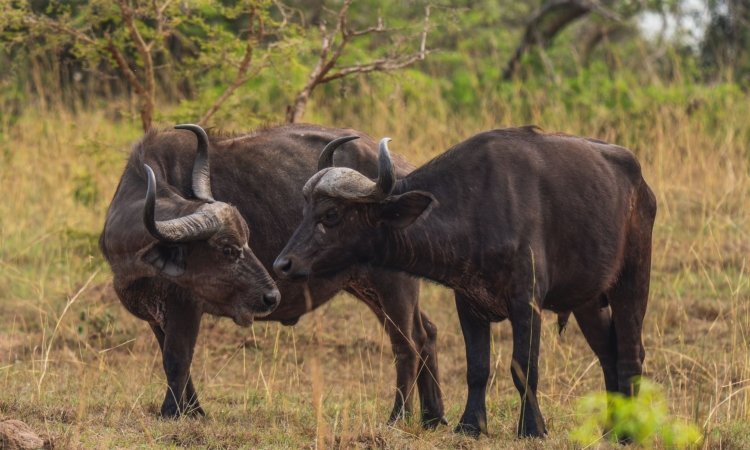
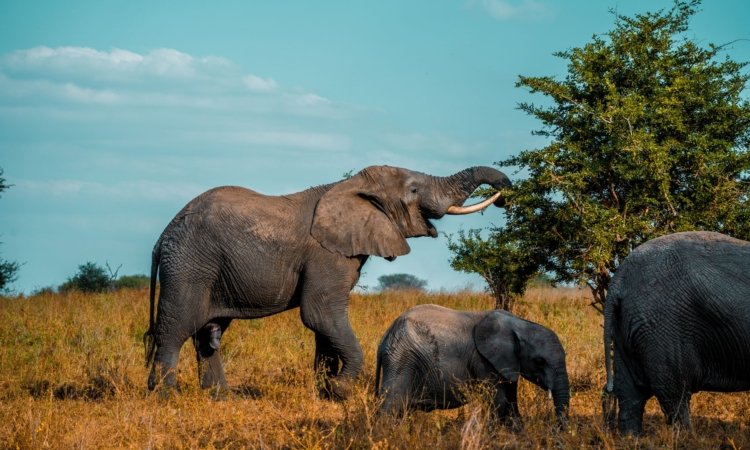
Chobe National Park, Botswana. Chobe holds one of the largest elephant populations in Africa and offers some of the best river safaris on the continent. Take a game drive or a boat cruise along the Chobe River to see elephants, hippos, and large herds of buffalo close up.
Etosha National Park, Namibia. Etosha is built around a huge salt pan that draws wildlife to its waterholes, making game viewing easy even in the dry season. Look out for elephants, lions, rhinos, and large herds of springbok and zebra.
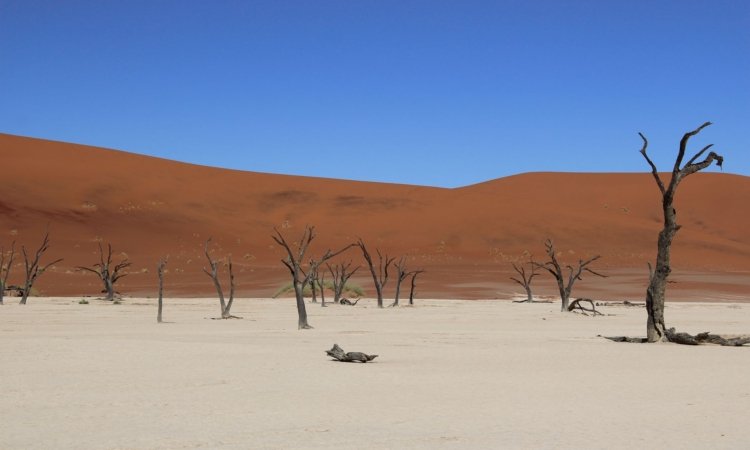
Sossusvlei, Namibia. Sossusvlei sits inside the Namib Desert and is known for its tall red sand dunes and the dry white clay pan at Deadvlei. The nearby town of Sesriem, Namibia is the usual gateway for a visit. It’s a popular add-on for travelers combining a Namibia safari with desert scenery.
Cape Town, South Africa. A coastal city with outdoor activities, history, and culture. Visit Table Mountain, the Twelve Apostles, Lion’s Head, local beaches, museums, and a Robben Island tour, where Nelson Mandela was imprisoned. A helicopter ride over Cape Town is a popular add-on for views of the coastline.
Kruger National Park, South Africa. South Africa’s most visited park and a strong spot for Big 5 sightings. May to October is the best time to visit, though also the busiest. Book your safari and lodging early. For a private lodge stay near Kruger, look at Sabi Sabi, Phinda, or Aquila, all known for close-up game viewing.
Table Mountain, South Africa. Hike up or take the cable car for views of Cape Town’s coastline and city.
Zanzibar, Tanzania. An island group off Tanzania’s coast, known for white sand beaches, clear water, Stone Town, colonial sites, and spice farms. Try snorkeling, diving, sunset dhow cruises, and walking tours. Many travelers pair a Tanzania safari with a Zanzibar holiday to close out the trip on the beach.
Mountain gorillas of East and Central Africa. The only place to see wild mountain gorillas. Book a trek at Bwindi Impenetrable National Park or Mgahinga Gorilla National Park in Uganda, Volcanoes National Park in Rwanda, or Virunga National Park in the Democratic Republic of Congo. See chimpanzees at Kibale Forest National Park (Uganda), Nyungwe Forest National Park (Rwanda), or Mahale Mountains and Gombe Streams National Parks (Tanzania).
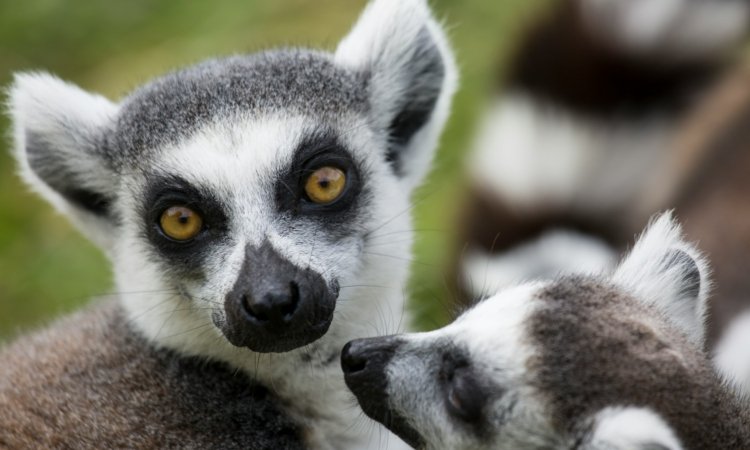
Other destinations worth adding to your African safari holiday: the Makgadikgadi Pans, Okavango Delta, Gorongosa National Park, Fish River Canyon, Cape Verde, Seychelles, Madagascar, and Mauritius.
The best time to travel depends on your destination and what you want to see. Africa is large, and weather varies by region, so you can plan a trip at any time of year.
East Africa (Uganda, Kenya, Tanzania, Rwanda). The dry season, June to October, is best for wildlife viewing, since thin vegetation makes animals easier to spot. The wildebeest migration peaks from June to September. For gorilla trekking in Uganda and Rwanda, the dry season means easier trails and gorillas staying on lower slopes. This is peak season, so book permits and lodging early. The wet season runs November to December (short rains) and March to May (long rains), with April and May the wettest months. Bird watchers should target the wet season, when migratory birds arrive.
Southern Africa (South Africa, Zambia, Zimbabwe, Botswana, Namibia, Malawi, Mozambique). The dry winter months, May to September, offer easy wildlife viewing and cooler weather, and are generally the best months for a safari in South Africa and the wider region. April, October, and November are shoulder seasons with fewer crowds. For a coastal trip, visit May to July for the sardine run, which draws seabirds, dolphins, and sharks. The rainy season from November brings new animal births and green landscapes, good for bird watching. Victoria Falls runs at full volume March to May. The Okavango Delta in Botswana is best from July to October. These are peak seasons, so prices run higher. Avoid Malawi and Zambia from December to March due to heavy rain; late May to November is best.
Book your African safari holiday for the season that matches what you want to see, and reserve permits and lodging early during peak months, whether you’re planning a Botswana safari, a Namibia safari, or a trip across several countries.
The dry season is best in most regions. In East Africa, that’s June to October. In Southern Africa, it’s May to September. Dry months make wildlife easier to spot since animals gather near water and vegetation is thin.
Cost depends on the country, park, season, and lodging type. Budget safaris use shared transport and camping, while luxury safaris include private guides and high-end lodges. Contact us for a package quote that matches your budget.
Kenya and Tanzania are common choices for first-time visitors because of their well-known parks like Masai Mara National Reserve and Serengeti National Park. South Africa is also a strong option, with Kruger National Park offering easy access and good infrastructure.
Most countries require a visa, though some offer visa-on-arrival or e-visa options. Requirements vary by nationality, so check with the embassy or consulate of each country on your itinerary before you book.
Many African countries require proof of yellow fever vaccination, especially if you’re arriving from or transiting through another African country. Get vaccinated at least 10 days before travel and carry your certificate with you.
Pack neutral-colored clothing, layers for cold mornings and evenings, a hat, sunglasses, sunscreen, and a reusable water bottle. Bring insect repellent and any personal medicine, since these are not always available in remote areas.
Africa is a safe destination for tourists, especially when traveling with a licensed tour operator. Standard travel precautions apply, such as keeping valuables secure and following your guide’s instructions during game drives.
The African Big 5 refers to the lion, elephant, leopard, buffalo, and rhino. These five animals are the most sought-after sightings on a safari and can be seen in parks like Kruger National Park and the Masai Mara.
The migration runs year-round across the Serengeti-Mara ecosystem, but the Mara River crossing, the most popular part to watch, peaks from June to September as herds move from Tanzania into Kenya.
Yes. A popular option is pairing a Tanzania safari with a stay in Zanzibar. Cape Town and Cape Verde also work well as beach add-ons after a South Africa or West Africa safari.
Most safari packages run from 3 to 10 days, depending on how many parks you want to visit. A single-park trip can work in 3 to 4 days, while a multi-country itinerary usually needs 7 days or more.
A budget safari uses shared vehicles, simpler camps, and set group schedules. A luxury safari includes a private guide and vehicle, high-end lodges like Sabi Sabi or Phinda, and a flexible itinerary built around your preferences.
Yes. Travel insurance should cover medical emergencies, evacuation, trip cancellations, and lost belongings. Buy your policy as soon as you set your travel dates and carry the details with you.
Yes, many lodges and parks welcome children, and family safari packages are widely available. Some activities, like gorilla trekking, have a minimum age requirement, so check the rules for each park before you book.
Masai Mara National Reserve, Serengeti National Park, and Kruger National Park are strong choices for first-time visitors, since they offer reliable Big 5 sightings and well-established tourist infrastructure.
Gorilla trekking permits are limited and sell out fast in peak season, so book several months ahead through a licensed tour operator. Permits cover parks like Bwindi Impenetrable National Park in Uganda and Volcanoes National Park in Rwanda.
A game drive is a guided trip through a park or reserve in an open safari vehicle, usually in the early morning or late afternoon when animals are most active. Your guide tracks wildlife and explains what you’re seeing along the way.
Malaria prevention medicine is recommended for most Sub-Saharan African destinations. Talk to your doctor about the right option for your trip, and pack insect repellent as an extra precaution.
Most safaris use a 4×4 safari vehicle for game drives and park-to-park travel. For longer distances between countries or regions, flying safaris using small aircraft can save time.
Yes. Africa is a year-round destination. The dry season offers the easiest wildlife viewing, while the wet season brings lower prices, fewer crowds, and better birdwatching. Book your African safari holiday for the season that fits what you want to see.
Read what some of our clients had to say about us. You can read even more reviews on TripAdvisor.





We make safaris beautiful, pocket-friendly and much more enjoyable because we love them like you do.
We are an African travel operator, agency and Destination Management Company (DMC) located in Kampala - Uganda. Our Uganda Tourism Board license is: UTB/RTT/TO/2023/100931.
Read moreBesides our jaw-dropping safari packages and hard-earned experience, we offer very friendly booking terms effortessly to clients.
Read moreWe promise that we'll carefull plan, handle and manage your trip the way it's supposed to be.
Read moreWe are extremely commited to excellent service delivery and more. We try to make safaris as flawless as possible.
Read moreWe profit our of tourism and we won't profit alone. A small portion of our profits goes towards supporting single mothers in local tourism communities.
Read moreTo offer the best way to travel, we do stuff the way its supposed to be done; right from the initial safari planning process.
We will carefully listen to your travel requests, make appropriate recommendations and advise where necessary.
Next we will talk through our proposed options, match you to the perfect itinerary and make further recommendations.
We will tentatively lock your safari booking and make reservations while we plan further or make necessary changes.
Call us now or arrange for a video meeting and we discuss awesome ideas about your African safari holiday.