Ultimate Guide for Booking Ethiopia Tours & Travel Packages
Ethiopia is the only African country that was never colonized, so its history carries little outside influence. Archaeologists found the remains of the hominid Lucy here in 1974, one of the most important discoveries in human history. Ethiopia’s wildlife safaris may not match other African destinations, but the rich culture makes up for it.
Whether you are booking an Ethiopian tour for the history, the landscapes, or the wildlife, this guide covers what you need to know before you go to Ethiopia.
Is Ethiopia the Right Destination for You?
Ethiopia works well as a tourist destination for travelers who want culture, history, and unique wildlife in one trip. As an ethnic travel agency working across the country, we plan Ethiopia tours from Addis Ababa out to every major region, so you can see as much or as little as you like.
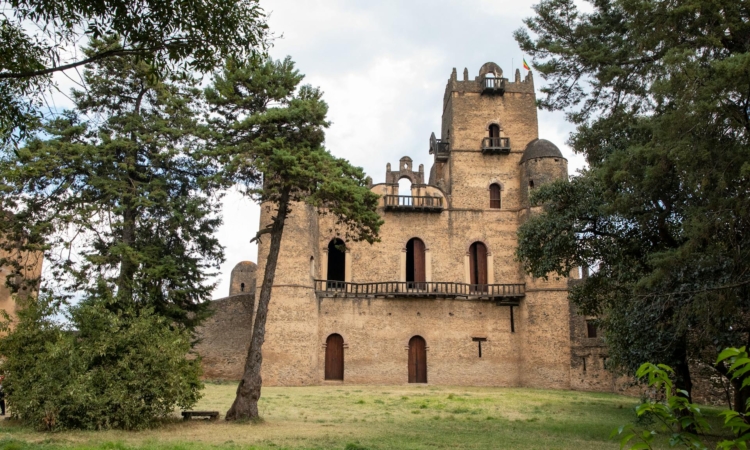
The terrain makes road travel slow, so most visitors fly between major towns. Domestic flights from Addis Ababa reach Bahir Dar, Gondar, Axum, Lalibela, Mekele, and Arba Minch, making flying to Ethiopia’s regions the easiest way to see the country. From each town, most attractions sit about two hours away by road.
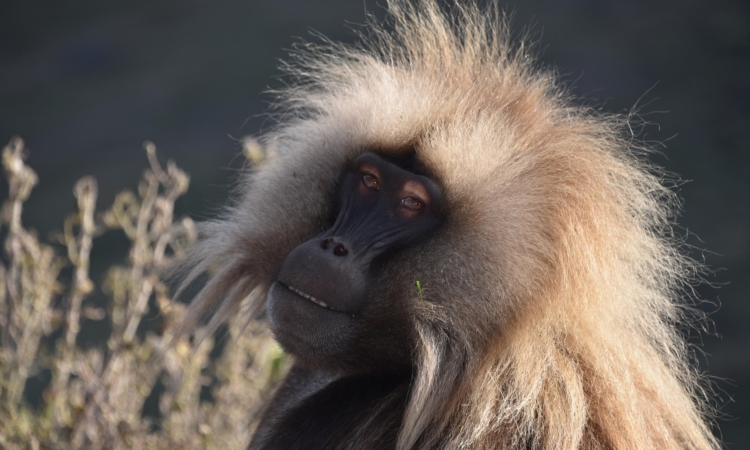
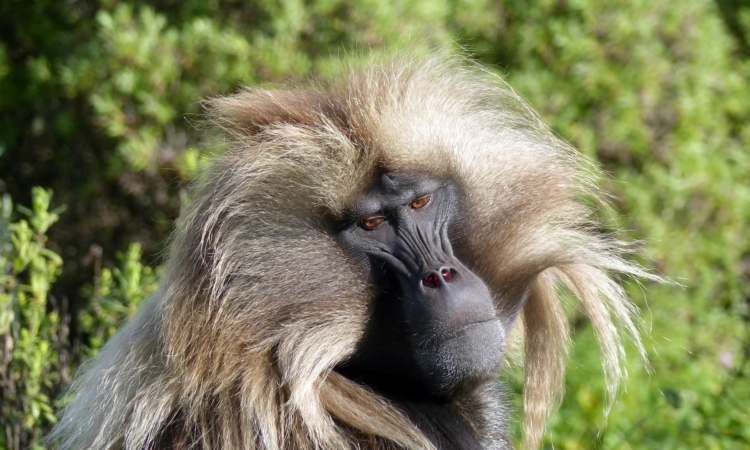
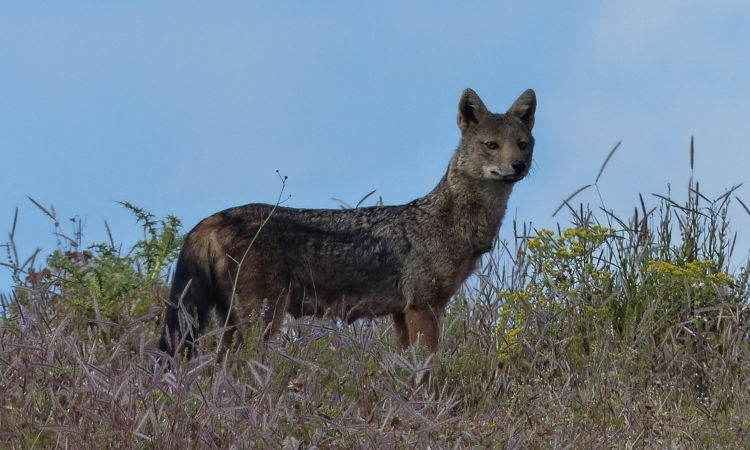
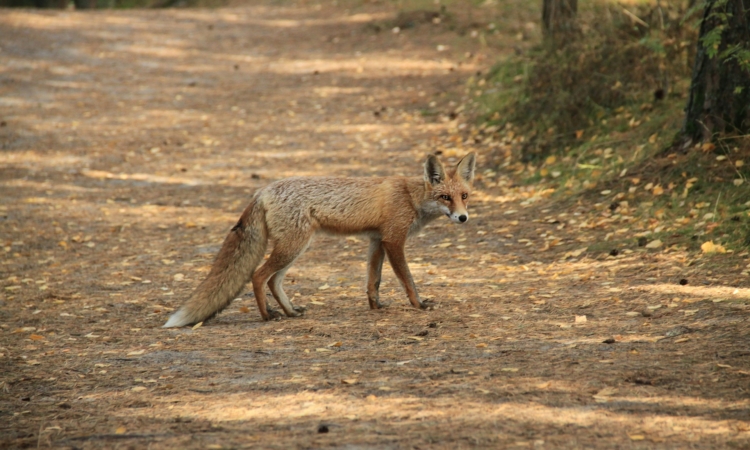
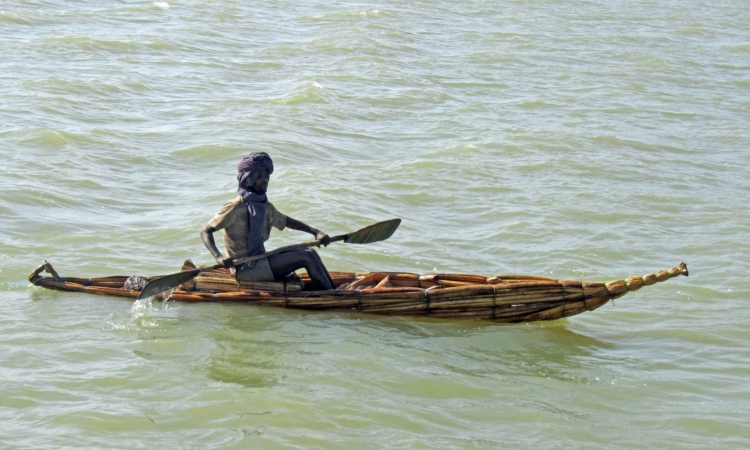
Ethiopia offers wildlife, landscapes, history, culture, food, and architecture in one destination. You will not find the open grasslands packed with big cats that other African countries offer, but Ethiopia has wildlife you cannot see anywhere else. Look out for the rare Ethiopian wolf in the Bale Mountains and Sanetti Plains, Gelada monkeys in the Simien Mountains, crocodiles and hippos on Lake Tana, and hyenas along the old city walls of Harar.
Climate in Ethiopia
Ethiopia’s climate changes by region due to its varied altitude. The central highlands stay moderate, with wet season temperatures ranging from 5.5°C to 26°C. Low lying areas run cooler than the highland average, while the desert regions see extreme heat, with temperatures reaching up to 60°C.
Most rain falls between June and September. The central region gets a second, lighter rainy spell in December and February. For most travelers, the best month to visit Ethiopia falls in the dry stretch from October to March.
Annual rainfall varies widely by area. The central region gets about 48 inches a year, the Ogaden area gets around 4 inches, and the western region gets as much as 80 inches.
Ethiopia Luxury and Private Tours
Ethiopia suits travelers who want to experience the culture, history, and traditions of its people. If you are still deciding on your next African safari destination, book an Ethiopia tour and see why so many travelers choose this country for a private, guided trip.
Ethiopia offers a great experience with a touch of luxury. Luxury lodges here do not match the level found in South Africa, Namibia, or Botswana, but you will still enjoy a comfortable, memorable vacation. Luxury accommodation options are limited, but the ones available deliver an excellent stay, and escorted tours to Ethiopia make it easy to combine comfort with adventure.
Best Time to Visit Ethiopia
Ethiopia’s varied altitude means there is no single best time to visit. You can travel here any time of year, though most visitors choose the dry months from October to March.
The rainy season runs from June to September, but rainfall stays light enough that travel is still possible. The central region gets a second, lighter rainy spell from December to February.
Roads in some remote areas become impassable in the rainy season, so plan carefully. The Omo Valley gets two rainy seasons and sits in a remote part of the country, so avoid visiting during wet months. Always check weather conditions with your local guide before you travel.
Ethiopian Attractions: Top Things to See in Ethiopia
Ethiopia holds some of the most varied tourist destinations in Africa, from ancient walled cities to volcanic deserts. Here are the tourist spots our guests ask about most when planning their Ethiopia itineraries.
Harar
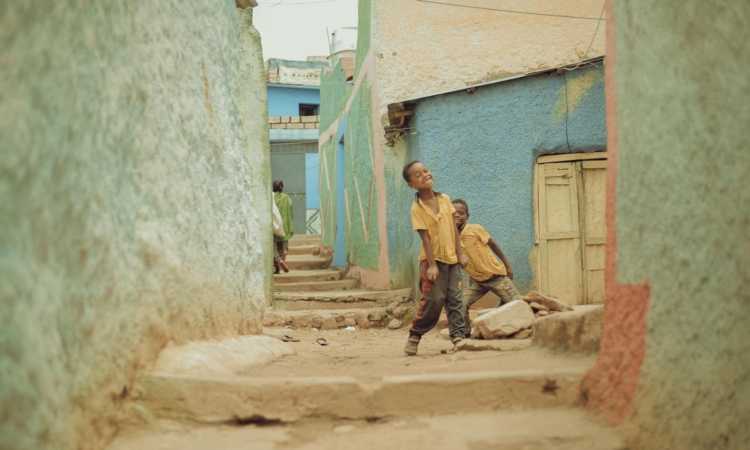
Harar is a small walled city covering about one kilometer, located in eastern Ethiopia. It ranks as the fourth holiest city in Islam and holds over 80 mosques, some more than 1,000 years old. The architecture throughout the old town makes it worth exploring on foot.
Visitors can take part in the century old hyena feeding tradition, a practice that started as a way to stop hyenas from hunting livestock and people.
Rift Valley
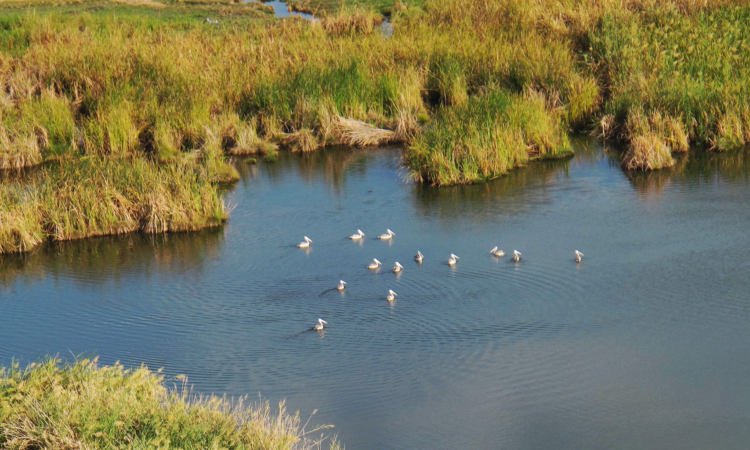
The Great Rift Valley cuts through the middle of Ethiopia and holds a chain of lakes and forests worth exploring. The climate here offers a break from the harsher conditions found in other parts of the country.
Endemic Wildlife
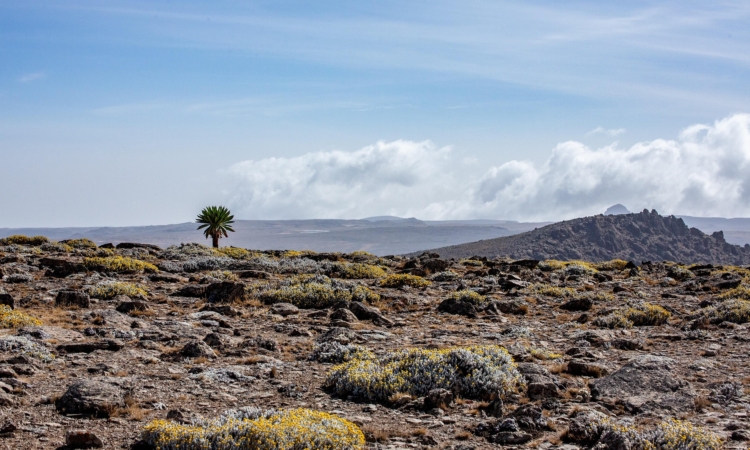
Ethiopia protects rare species found nowhere else on earth, and our Ethiopia wildlife tours are built around seeing them up close. Trek through the Bale Mountains and Sanetti Plains to spot the endangered Ethiopian wolf, then head to the Simien Mountains for Gelada monkeys. Lake Tana holds large populations of crocodiles and hippos, and Harar’s old city walls draw hyenas after dark. These sightings make our Ethiopia safari tours a strong pick for wildlife lovers looking for something different from the usual East Africa safari.
Ethiopian Music
Ethiopian music blends sounds from Africa and the Middle East, and it is worth experiencing during your trip. Traditional folk songs carry a jazz influence, often played on a stringed instrument called the krar.
Lalibela
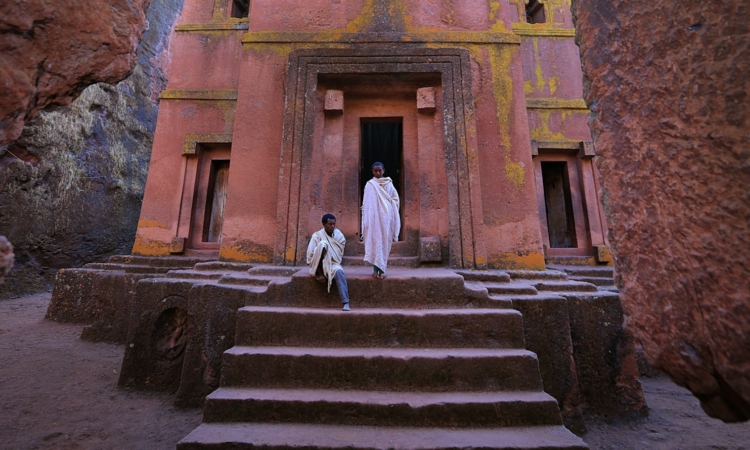
Known as the New Jerusalem, Lalibela is famous for its rock hewn churches, including the northern and southern church clusters. The Church of St. George stands as a giant monolith carved from solid rock, built in honor of Ethiopia’s patron saint. Lalibela ranks among the most visited destinations in Ethiopia, and its architecture makes it a highlight of any Ethiopia tour.
Simien Mountains
UNESCO lists the Simien Mountains as a World Heritage Site for their dramatic rock formations, which locals call God’s playground. Simien Mountains National Park sits within this range, home to rare species like the Walia ibex and the Simien fox.
Ethiopian Culture
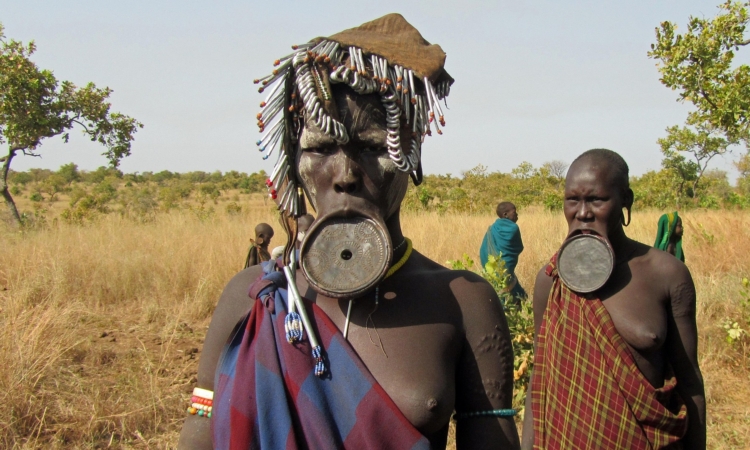
Ethiopia holds some of the richest cultural traditions on the continent, shaped by more than 80 ethnic groups and their distinct customs. Traditional dances, festivals, and ceremonies remain part of daily life across the country, especially in the Omo Valley. This mix of living history and tradition is one of the main types of tourism in Ethiopia, alongside wildlife and adventure travel, and it draws travelers who want more than a standard sightseeing trip.
Addis Ababa
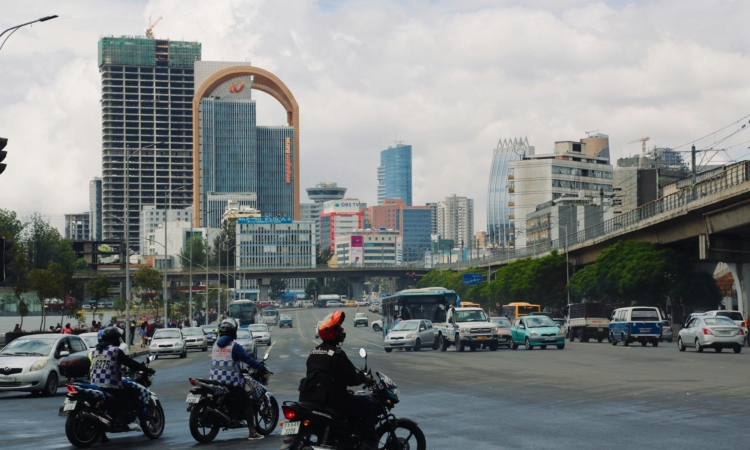
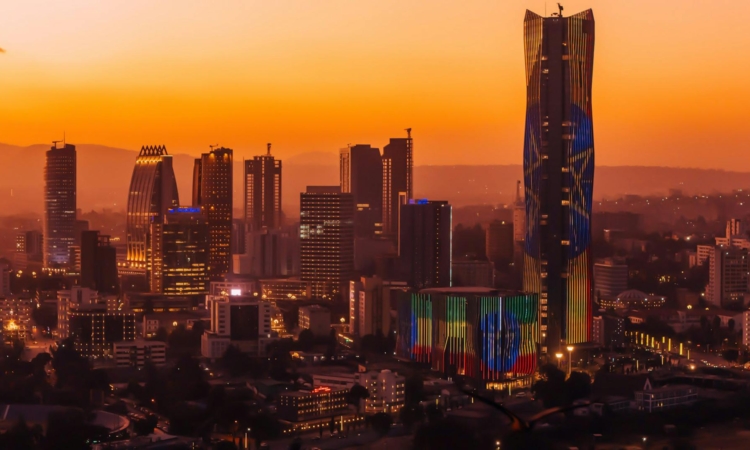
Addis Ababa serves as Ethiopia’s capital and the diplomatic hub of Africa, home to the African Union and many international missions. An Addis Ababa tour is a natural starting point for most trips, since most flights into the country land here. The city holds historic buildings dating back generations, and because Ethiopia was never colonized, much of its heritage remains in its original form.
Blue Nile Falls
Locals call this waterfall Tis Isat, which translates to Smoke of Fire. The Blue Nile Falls stand alongside the White Nile as one of Ethiopia’s most impressive natural sites, on a scale that can rival Niagara Falls.
During the rainy season, the falls reach about 45 meters high. A stone bridge built in the 17th century still stands near the falls, adding to the historic setting.
The Omo Valley
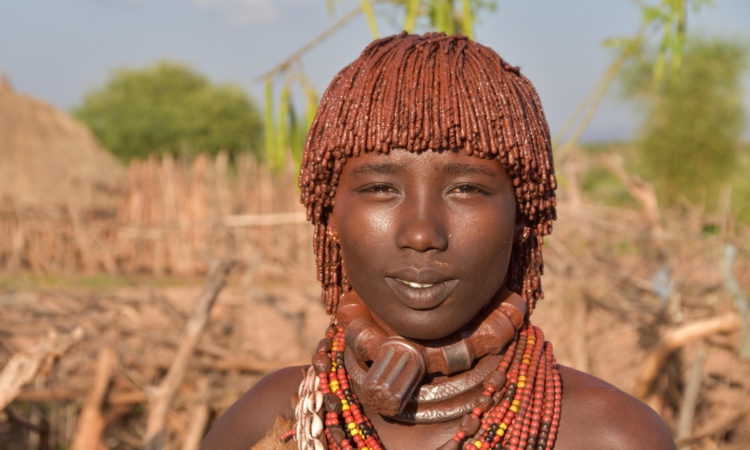
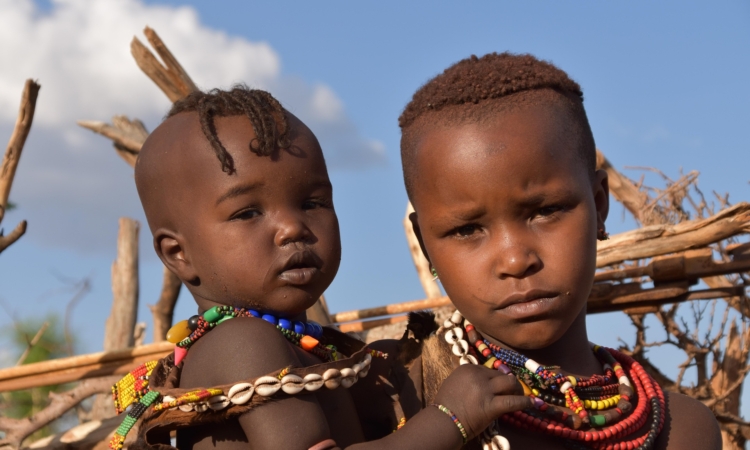
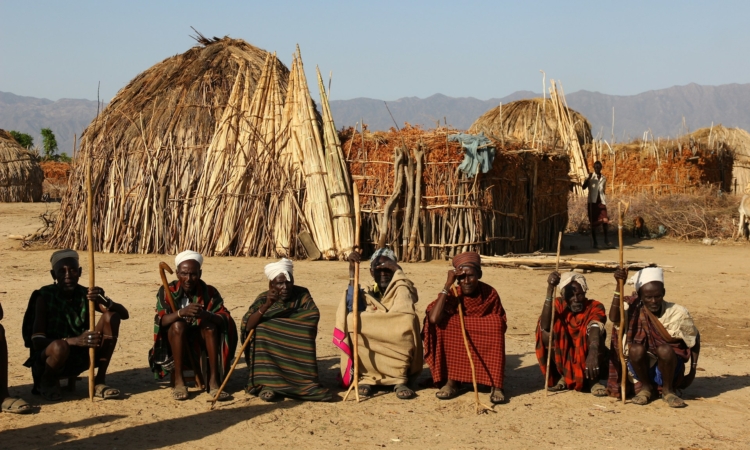
The Omo Valley sits in southern Ethiopia and is home to around 80 distinct ethnic communities, each with its own language, dress, and traditions. Because the region has had little outside influence, visitors can witness authentic ceremonies, dances, and festivals rarely seen elsewhere in Africa.
Costs of Traveling to Ethiopia
If you are planning a trip to Ethiopia, your Ethiopia tour package price will depend on a few factors:
- The number of days on your trip
- Whether you travel alone or as a group
- Your choice of accommodation
- The type of guide you use
Contact us for a custom quote on the real cost of a trip to Ethiopia based on your travel plans.
Safety in Ethiopia
Ethiopia welcomes travelers year round, and most trips run smoothly with no major issues. As with any destination, take normal precautions such as watching your belongings and avoiding remote areas after dark. Check current travel advisories before you book, and speak to your guide about conditions in the specific regions you plan to visit.
What to Pack for a Trip to Ethiopia
Pack clothing that suits the weather, terrain, and culture of your destination. Consider bringing:
- Binoculars
- A camera with extra batteries and memory cards
- A reusable water bottle
- Comfortable, lightweight hiking shoes
- Breathable clothing for warm days and warm layers for cold nights
- A first aid kit
- Sunglasses, sunscreen, and a hat
- Insect repellent
Eating and Drinking in Ethiopia
Injera forms the base of most Ethiopian meals, acting as plate, food, and cutlery in one. Diners tear off pieces of the spongy flatbread and use their right hand to scoop up the accompanying dishes.
Ethiopian Coffee
Coffee is believed to have originated in Ethiopia, and a coffee tour in Ethiopia is one of the best ways to see how it goes from farm to cup. The local brew is strong and flavorful, and it is often served with popcorn on the side.
Many Ethiopians fast twice a week, eating only vegan meals on those days. On other days, the menu often includes raw minced meat and raw beef dishes.
Ethiopian People and Language
Amharic serves as Ethiopia’s official language, with an alphabet of 33 characters and 7 variations each, totaling around 250 characters. Oromo is another widely spoken language, and the country is home to more than 80 ethnic groups, each with its own language and traditions.
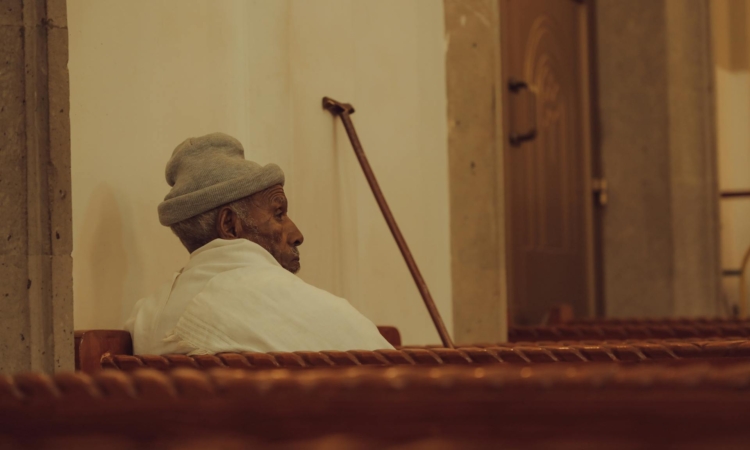
Orthodox Christianity and Islam shape daily life for most Ethiopians, and religion plays a central role in local communities. Amharic has a friendly tone but a complex structure. For example, thank you translates to ameseginalehu (pronounced ammasay ge NE lo), and ishi means okay, which locals also use informally to mean thanks.
Gifts and Shopping
Hand woven scarves and throws made from high quality cotton make popular souvenirs, especially the traditional white designs with bright colored edges.
Woven baskets and injera platters are available across the country.
Bring home some strong Ethiopian coffee, along with hand painted coffee cups to complete the set.
Other Attractions in Ethiopia
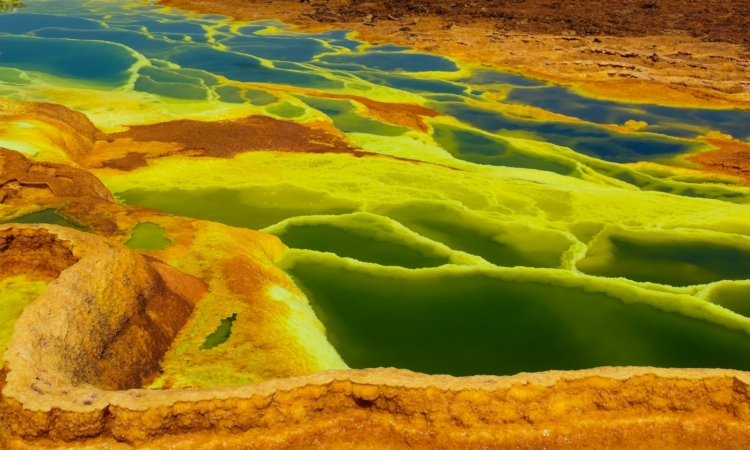
- Danakil Depression: located in Ethiopia’s northeast, this volcanic landscape ranks among the hottest places on earth.
- Lalibela: located in central Ethiopia, known for its rock hewn architecture and spiritual atmosphere.
- Awash National Park: one of the best parks to see Ethiopian wildlife.
- Simien Mountains National Park: home to some of Ethiopia’s tallest peaks and wide ranging wildlife views.
- Omo Valley: located in southern Ethiopia, known for its many distinct tribal communities and rich cultural traditions.
- Gheralta Mountains: offers a mix of plateaus and cliffside exploring, with many hidden historic sites.
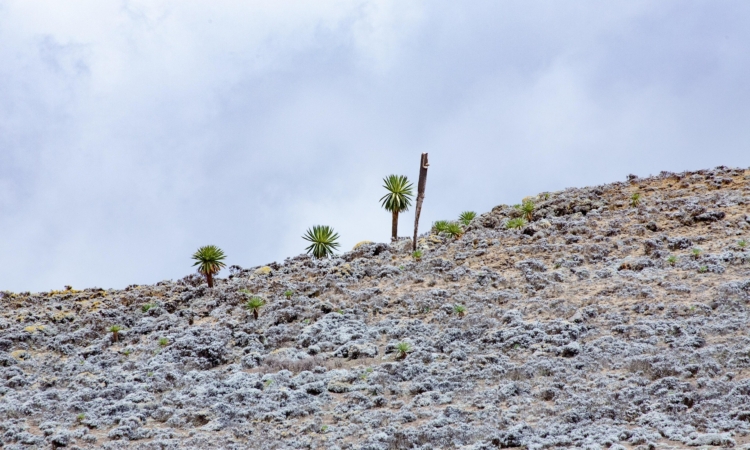
- Bale Mountains National Park: offers forest hikes, waterfalls, and wildlife across varied terrain.
- Harar: the walled city of eastern Ethiopia, with a character all its own and memorable sunset views.
- Community trekking: hike through the highlands of Lalibela and Tigray, learning about daily life from local communities along the way.
- Rift Valley: home to a chain of lakes, the Omo Valley, and the Bale Mountains, all worth exploring.
- Bahir Dar, Gondar, and Axum: ancient towns in northern Ethiopia known for their architecture and spiritual history.
Ethiopia Travel Tips
As with most wilderness destinations in Africa, stay alert to your surroundings, keep a safe distance from wildlife, and stay close to your group. A few more tips for anyone travelling through Ethiopia:
- Follow park regulations, including staying on marked trails and avoiding disruption to animals.
- Stay with your guide or group at all times.
- Respect local customs and traditions, and ask before taking photos of people.
- Never approach or touch wild animals, even when they appear calm.
- Stay hydrated. Carry plenty of water, since the region stays hot most of the time.
- Do not litter. Dispose of waste in designated areas only.
- Keep extra distance from predators such as hyenas, leopards, and lions.
Frequently Asked Questions About Ethiopia Tours
What is the best time to visit Ethiopia?
Most travelers visit during the dry season, from October to March, though Ethiopia’s varied altitude means you can travel comfortably year round.
Do I need a visa to travel to Ethiopia?
Most visitors need a visa, which can often be arranged online in advance. Confirm current requirements based on your nationality before booking.
Is Ethiopia safe for tourists?
Most trips to Ethiopia run smoothly with no major issues. As with any destination, take normal precautions and check current travel advisories before you go.
What are the top attractions in Ethiopia?
Highlights include the rock hewn churches of Lalibela, the Simien and Bale Mountains, the Omo Valley, the Blue Nile Falls, and the walled city of Harar.
How do I get around Ethiopia?
Domestic flights connect Addis Ababa to major towns like Bahir Dar, Gondar, Axum, and Lalibela, since the terrain makes road travel slower. Most attractions sit about two hours by road from the nearest town.
What is Ethiopian food like?
Injera, a spongy flatbread, forms the base of most meals and is eaten by hand. Ethiopia is also known as the birthplace of coffee, often served alongside popcorn.
How much does a trip to Ethiopia cost?
Cost depends on trip length, group size, accommodation, and guide type. Contact us for a custom quote based on your travel plans.
What should I pack for Ethiopia?
Pack lightweight, breathable clothing for warm days and warm layers for cold nights, along with sturdy walking shoes, sunscreen, and insect repellent.
What language do people speak in Ethiopia?
Amharic is the official language, and Oromo is also widely spoken. Ethiopia is home to more than 80 ethnic groups, each with its own language.
Can I combine Ethiopia with a gorilla trekking trip?
Yes, many travelers pair Ethiopia with Uganda or Rwanda for gorilla trekking, since flights connect Addis Ababa with East Africa. Ask us about combining both into one itinerary.
What currency is used in Ethiopia?
Ethiopia uses the Ethiopian Birr. Larger hotels in major towns often accept US dollars and cards, though it’s best to carry local currency for smaller purchases.
What is Lalibela known for?
Lalibela is known as the New Jerusalem, home to famous rock hewn churches including the Church of St. George, carved from a single block of stone. It ranks among Ethiopia’s most visited destinations.
What makes the Omo Valley special?
The Omo Valley is home to around 80 distinct ethnic communities, each with its own language, dress, and traditions. It offers one of the most authentic cultural experiences in Africa.
Is Ethiopia good for luxury travel?
Ethiopia offers a comfortable, memorable experience with a touch of luxury, though accommodation options are more limited than in countries like South Africa or Botswana. What’s available tends to deliver an excellent stay.
What wildlife can I see in Ethiopia?
Ethiopia is home to rare species found nowhere else, including the endangered Ethiopian wolf in the Bale Mountains and Gelada monkeys in the Simien Mountains. Lake Tana also holds large numbers of crocodiles and hippos.
What is Addis Ababa like?
Addis Ababa is Ethiopia’s capital and the diplomatic hub of Africa, home to the African Union and many international missions. Most flights into the country land here, making it a natural starting point for your trip.
What is Ethiopian coffee like?
Coffee is believed to have originated in Ethiopia, and the local brew is strong and flavorful, often served with popcorn. A coffee tour is a great way to see the process from farm to cup.
What are the main religions in Ethiopia?
Orthodox Christianity and Islam shape daily life for most Ethiopians, and religion plays a central role in local communities. Ethiopia’s religious history dates back centuries.
What is the Danakil Depression?
The Danakil Depression sits in Ethiopia’s northeast and ranks among the hottest places on earth, with a dramatic volcanic landscape. It’s a popular stop for travelers looking for something beyond the classic historic route.
How many days do I need for an Ethiopia trip?
It depends on what you want to see. A short trip can cover Addis Ababa and Lalibela in 3 to 5 days, while a longer 10 to 18 day trip allows time for the Simien Mountains, Omo Valley, and Danakil Depression as well.
Ready to go to Ethiopia? As a trusted Ethiopian tour and travel agency, we build Ethiopia tour and travel plans around what you want to see, whether that is history, wildlife, or coffee culture. Book your Ethiopia holiday packages with Magical Gorilla Adventures today and let our team plan a trip built around your travel goals.