Guide to Booking Zambia Safari Holidays
Zambia lets you experience the wild up close: walking on foot, listening to the sounds of the bush, and feeling the spray from Victoria Falls. Whether you are comparing zambia safari tours or planning a self drive safari, tourism here supports local communities and schools, even though community-based tourism is still developing.
Bantu people from the Congo Basin settled in what is now Zambia about 2,000 years ago. By the 16th century, these communities had formed into tribes and small states with their own rulers and borders. Scottish missionary and explorer David Livingstone traveled up the Zambezi in the mid-19th century and named Victoria Falls after seeing it for the first time as a Westerner.
Livingstone’s writings drew missionaries, explorers, hunters, and traders to Zambia. The region became a British colony by 1890, run by the British South Africa Company under Cecil John Rhodes. Known then as Northern Rhodesia, it came under direct British rule in 1924.
Before colonial rule, trade routes to the east and west coasts let Zambia’s independent states trade with each other and the outside world. Copper mining expanded under European rule, often displacing local people and starting the country’s move toward city living. Many young men still move to Lusaka, Livingstone, and the copper belt cities for work, while women in many villages farm the land and support their families.
Zambia gained independence in 1964. Its culture reflects the values and traditions of about 72 ethnic groups, while its national identity keeps growing through young entrepreneurs, including many women, building businesses in its cities.
National Parks of Zambia
- Blue Lagoon National Park: North of the Kafue River, 120km west of Lusaka. Good for birdwatching, though hard to access and prone to flooding.
- Isangano National Park: East of Lake Bangweulu, set up in 1972, covering 840 sq. km. Floods yearly and has little wildlife.
- Kafue National Park: One of the largest national parks in the world, set up in 1924, known for its wildlife. A Zambia Kafue National Park safari is worth taking alone or combined with South Luangwa.
- Kasanka National Park: About 390 sq. km, one of Zambia’s smallest parks, home to the world’s largest bat migration each October and November, with close to 10 million African straw-colored fruit bats.
- Lavushi Manda National Park: Features waterfalls and varied land, with the Lavushi Hills reaching 1,800m. Good for hiking, game drives, and fishing.
- Liuwa Plain National Park: Once a hunting ground for the Lozi King, now known for its large wildebeest herds and their migration.
- Lokinvar National Park: Known for birdlife and the Kafue lechwe, similar to Blue Lagoon National Park across the Kafue River. Also has hot springs.
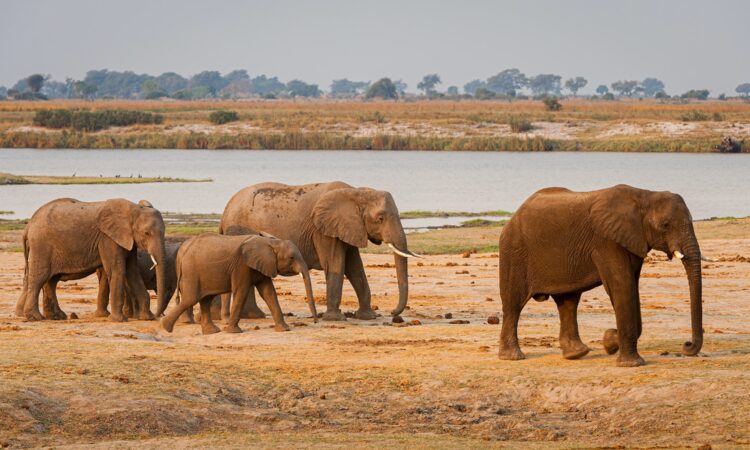
- Lower Zambezi National Park: Shares the Zambezi River with Zimbabwe, known for water-based safaris where you can get close to elephants along the riverbanks.
- Luambe National Park: Sits between South and North Luangwa National Parks, covering just 254 sq. km, one of Zambia’s oldest protected areas.
- Lukusuzi National Park: On the eastern edge of the Luangwa Valley, still undeveloped with limited known wildlife.
- Lusaka National Park: Just 15km from the capital, Zambia’s newest park, set up in 2015, popular for day trips and weekend visits from Lusaka.
- Lusenga Plain National Park: Features three waterfalls and good walking trails, though wildlife numbers remain low despite reintroduction efforts since 2007.
- Mosi-oa-Tunya National Park (Victoria Falls): Home to Victoria Falls, meaning “the smoke that thunders,” and a small protected population of white rhinos.
- Mweru Wantipa National Park: Mostly lake and swamp, similar to the Bangweulu Wetlands.
- Ngonye Falls National Park: Home to Ngonye Falls, also called Sioma Falls, a good spot for adventurous travelers.
- North Luangwa National Park: A wild, less visited area good for bush walks, often combined with a Luangwa safari in South Luangwa.
- Nsumbu National Park: Covers part of Lake Tanganyika in northern Zambia, offering game drives, guided birding walks, and lake fishing.
- Nyika Plateau National Park: An extension of the Malawian park of the same name, known for its landscape, plants, and rare wildlife.
- Simama Ngwezi National Park: Zambia’s third largest park, in the southwest bordering Namibia’s Caprivi Strip and Angola.
- South Luangwa National Park: One of Zambia’s best known parks and one of Africa’s top wildlife destinations. A safari Zambia South Luangwa trip is one of the best safari in Zambia options for first-time visitors.
- West Lunga National Park: Mostly an overgrown reserve that has lost much of its larger wildlife, though fishing and boat tours are still available.
Underrated Attractions
North Luangwa
For a look at Africa as it was a century ago, head to North Luangwa. Few tourists visit due to limited access, but the wildlife here includes rare species like blue monkeys, bushpigs, and sable antelope on the Muchinga Escarpment. Most visits here focus on walking safaris.
Kafue
Zambia’s largest national park sits on a plateau crossed by rivers, roughly the size of Wales. Its varied land and low visitor numbers reward travelers with good wildlife viewing and a real wilderness feel. Driving from north to south, the land changes from open grassland to forest dotted with granite hills.
Local Culture
Zambia offers cultural visits, though it’s less known for this than Kenya’s Maasai communities. Villages such as Mukuni Royal Village and Kawaza Village welcome visitors, and many lodges support local projects, including teacher salaries and programs for young women. You can visit, and in some cases sponsor, these projects.
Wild Camping
On a canoeing safari, you can camp along the banks of the Zambezi, away from the main path. Wild camping means giving up comforts like a hot shower, with guests often setting up their own tents and helping with camp tasks. It’s a hands-on way to experience the wilderness.
Well Rated Attractions
Walking Safaris
The Zambia walking safari began in South Luangwa National Park in the 1950s, designed to bring visitors closer to the animals and land rather than viewing them only from a vehicle. Zambia is known for training excellent guides, and you’ll get close views of animals and insects on foot.
Victoria Falls
No trip to Zambia is complete without seeing Victoria Falls. Many zambia safari and victoria falls packages combine both in one trip. During low water, you can reach Livingstone Island from the Zambia side. Some trips also offer views from the Zimbabwe side, plus a swim at Devil’s Pool, right at the edge of the falls.
South Luangwa
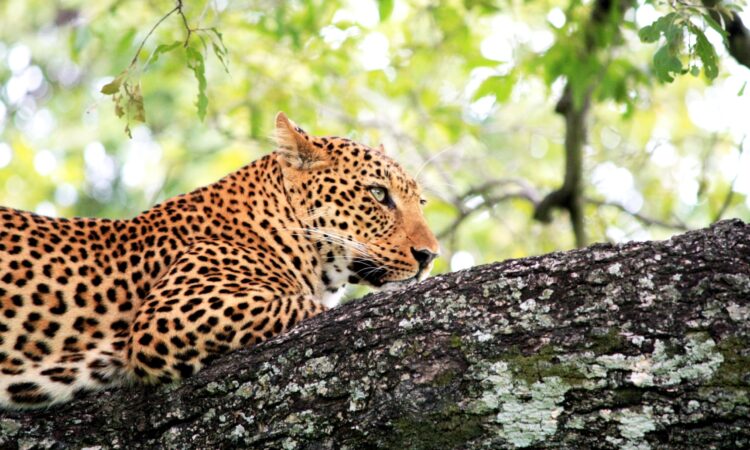
The Luangwa Valley marks the end of the Great Rift Valley and is one of Africa’s last untouched wilderness areas. South Luangwa National Park is popular for organized safaris but rarely feels crowded, with the Luangwa River running through plains, lagoons, and forest home to giraffes, hippos, elephants, buffalo, and leopards.
Canoeing and Zambezi River Cruises
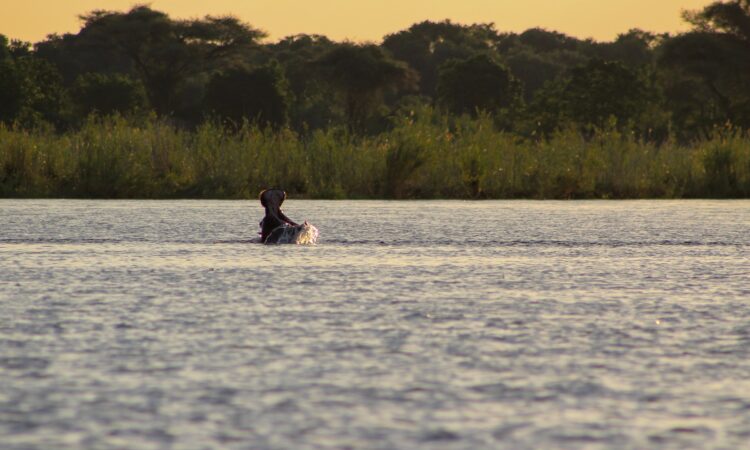
Canoeing on the Zambezi is open to everyone, even first-timers, and offers a great way to see wildlife. A Zambezi River cruise in Zambia is also a relaxed way to spot game along the water. The Lower Zambezi is home to buffalo, zebra, hippo, and elephants along the banks, while the Upper Zambezi has islands full of wildlife.
Where to Stay
Zambia offers a range of safari lodges and camps, generally more low key than other parts of southern and east Africa. Some of the best safari camps in Zambia, especially in South Luangwa and the Lower Zambezi, match the best on the continent, though the focus here is on game viewing and guiding quality rather than luxury. If you want a luxury safari Zambia trip, several top lodges offer this alongside more basic campsites for budget travelers outside the parks.
When to Visit Zambia
January and February: The rainy season peaks. Many camps close, but open ones offer good deals. Good time for birdwatching as herbivores give birth.
March: A good time for Victoria Falls, with strong water flow, fewer crowds, and good birdwatching.
April: Rain continues but starts to ease. The Kuomboka festival often takes place this month.
May: Camps reopen, though walking safaris can be muddy. Victoria Falls reaches peak water flow, best viewed by air during this time.
June: Few tourists yet, camps are open, and prices are still good. Land is drying out while rivers stay full.
July: Tourist season picks up. Lower Zambezi cruises and South Luangwa game viewing are popular. Daytime highs reach about 25°C in South Luangwa, with cool nights.
August: A great month for both Victoria Falls and national parks, with good walking safari conditions. Temperatures reach about 28°C.
September: Highs reach about 32°C. Wildlife gathers near remaining water sources, and carmine bee-eaters arrive along the riverbanks.
October: Temperatures near the mid 30s°C. Early morning and evening game drives and walks are best to avoid midday heat.
November: The Green Season begins, with light rain and new animal births. Camps may offer deals, though Victoria Falls slows to a trickle.
December: Heavy rain sets in and the land turns green. Fewer camps stay open, but good deals are available. The Zambian side of the falls dries out.
What to Pack for Zambia
Pack according to the season: waterproof shoes and rain jackets, insect repellent, light clothing for the day, and a warm jacket for cool evenings. Bring layers such as gloves, a scarf, and a fleece, along with light cotton or linen clothing, sandals, a sun hat, sunscreen, sunglasses, and swimwear. Long sleeves and long trousers help protect against sun and mosquitoes.
Best Things to Do in Zambia
Zambia offers wildlife sightings and famous waterfalls for an authentic African safari experience. From Victoria Falls to safaris through its national parks, there’s plenty to do on a trip to Zambia. The Zambezi River is also popular for white water rafting.
1. Safari in Kafue National Park
Zambia’s largest national park offers savanna, wetlands, and green woodland, home to antelopes, elephants, buffaloes, wild dogs, big cats, and many bird species.
2. Explore Lower Zambezi National Park
See herds of elephants and buffalo, waterbucks, and antelopes along the Zambezi River during a wildlife safari here.
3. Wildlife in Luambe National Park
Home to African wild dogs, hippos, giraffes, elephants, wildebeests, lions, and leopards, with 400 bird species and 200 mammal species recorded.
4. Views of Victoria Falls
One of Africa’s most famous natural wonders, with views from the pathways along the basalt walls and the Knife Edge Bridge. Many visitors combine this with a Lusaka to Victoria Falls tour.
5. South Luangwa and North Luangwa National Parks
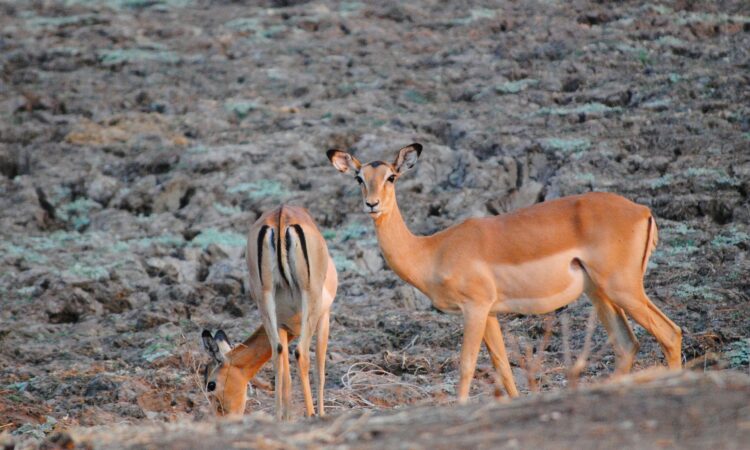
South Luangwa is home to large numbers of pukus, impalas, hyenas, jackals, zebras, buffalo, elephant, leopards, and lions. North Luangwa has fewer sightings but offers a look at untouched Africa.
Tip: Lusaka is a convenient arrival point, with museums, markets, and wildlife centers worth a few days, and a good base for Lusaka tours and Lusaka safari day trips. Livingstone, on the Zambezi River, is the gateway to Victoria Falls and home to the Livingstone Museum.
Visa and Entry
Most visitors from Asia, Europe, the United States, and Australia need a visa to enter Zambia. Travelers planning to travel to Zambia from the USA should apply for a single entry tourist visa (USD 50) or multiple entry visa (USD 80) in advance. Check the official visa page for details.
A double or multiple entry visa is needed if you plan to cross between Zimbabwe and Zambia, such as viewing the falls from both sides or taking day trips from Botswana. Visas can take up to three months to process, so apply early.
Health Information
See your doctor four to six weeks before your trip to confirm you have the required vaccines, including measles, tetanus, polio, rubella, hepatitis, and a flu shot. Typhoid and rabies vaccines are also recommended. Zambia has malaria, so pack antimalarial medication and mosquito repellent. Drink only bottled or filtered water.
Travelers over nine months old from countries with yellow fever risk need a vaccination certificate, as do those who passed through an airport in a risk country for more than 12 hours. Carry travel health insurance and a basic medical kit, since medical services are limited outside Lusaka.
Currency and Cards
The Zambian Kwacha (ZMW) is the official currency, though US dollars are accepted at most tourist places. ATMs are widely available but can run out of cash. Only bring US dollar notes printed in 2013 or later. Visa is the most widely accepted card, with some places also taking Mastercard.
Food, Shopping, and People
Try Mosi, Zambia’s local beer, along with nshima, a cornmeal dish eaten with beans, pork, and relish. Ifinkubala, or mopane caterpillars, is a local specialty, and kapenta, small dried fish, is a common preserved food.
Zambian English is the official language, alongside about 72 ethnic groups and seven main Bantu languages, including Bemba and Nyanja.
For gifts, look for chitenge fabric, Tonga baskets, and copper jewelry, widely available thanks to Zambia’s copper belt. Kabwata Cultural Village in Lusaka is a good place to buy direct from local crafters.
Health and Safety in Zambia
Zambia is generally a safe and politically stable place to visit. Always follow your guide’s instructions around wildlife, especially on walking safaris. Take normal precautions in cities against pickpocketing and theft, use pre-booked taxis, and avoid walking alone at night. Adventure activities near Victoria Falls carry real risk, so follow all safety guidance closely.
Whether you are looking for zambian safaris with a trusted zambia safari company, comparing zambia tour operators, or building your own zambia and zimbabwe safari combination, book your Zambia safari today and experience Victoria Falls, walking safaris, and some of Africa’s best wildlife parks.
Frequently Asked Questions
1. What is Zambia best known for?
Zambia is best known for Victoria Falls, walking safaris, and parks like South Luangwa and Kafue National Park.
2. When is the best time to visit Zambia?
August is one of the best months to visit, with good weather for both Victoria Falls and walking safaris. July to October is peak safari season.
3. Do I need a visa to visit Zambia?
Most visitors from Asia, Europe, the United States, and Australia need a visa. A single entry visa costs USD 50, and a multiple entry visa costs USD 80.
4. How long does a Zambia visa take to process?
Visas can take up to three months to process, so apply well before your trip.
5. Is Zambia safe for tourists?
Yes, Zambia is generally safe and politically stable. Take normal precautions in cities and always follow your guide’s instructions in national parks.
6. What is a walking safari?
A walking safari is a guided safari on foot, letting you get close to wildlife and nature rather than viewing it from a vehicle. It started in Zambia’s South Luangwa National Park in the 1950s.
7. Which national park in Zambia is best for wildlife?
South Luangwa National Park is one of Zambia’s best parks for wildlife, with large numbers of elephants, buffalo, leopards, and lions.
8. Can I see Victoria Falls from Zambia?
Yes, Victoria Falls can be viewed from the Zambian side, with access to Livingstone Island during low water and swimming at Devil’s Pool.
9. What is the largest national park in Zambia?
Kafue National Park is Zambia’s largest national park, known for savanna, wetlands, and green woodland.
10. What currency is used in Zambia?
The Zambian Kwacha (ZMW) is the official currency, though US dollars are accepted at most tourist places.
11. Do I need vaccinations before traveling to Zambia?
Yes, vaccines for measles, tetanus, polio, rubella, hepatitis, typhoid, and yellow fever are recommended, along with a flu shot.
12. Is Zambia a malaria risk area?
Yes, Zambia has malaria, so pack antimalarial medication and mosquito repellent.
13. What should I pack for a Zambia safari?
Pack light clothing for the day, a warm jacket for evenings, rain gear, insect repellent, sunscreen, a sun hat, and sturdy shoes.
14. What is the best month to see Victoria Falls at full flow?
May is the best month to see Victoria Falls at peak water flow, though the spray can be so heavy it blocks the view from the ground.
15. Can I go canoeing in Zambia?
Yes, canoeing on the Zambezi River is open to everyone, even first-timers, and is a good way to see wildlife along the banks.
16. What animals can I see in Lower Zambezi National Park?
Lower Zambezi National Park is home to elephants, buffalo, waterbucks, and antelopes along the Zambezi River.
17. Which city should I fly into for a Zambia safari?
Lusaka is the main entry point, with Livingstone as another popular arrival point near Victoria Falls.
18. What food should I try in Zambia?
Try nshima, a cornmeal dish served with beans, pork, or relish, along with Mosi, Zambia’s local beer.
19. Are there cultural experiences available in Zambia?
Yes, villages like Mukuni Royal Village and Kawaza Village welcome visitors and support local projects, including schools.
20. What is the rainy season like in Zambia?
The rainy season peaks in January and February, with many camps closed. Light rain returns in November, known as the Green Season.
21. How much does a trip to Zambia cost?
Zambia safari cost varies by season, park, and lodge type, from budget camps to luxury safari Zambia lodges. Request a quote for exact zambia safaris prices based on your chosen itinerary.
22. Can I combine a Zambia safari with a beach holiday?
Yes, a Zambia safari and beach holiday can be arranged by combining parks like South Luangwa or Kafue with a stay on the Indian Ocean coast.